

Landscapes change when humans are removed from the equation – but not necessarily for the better.
The 1300s saw one of history’s most devastating pandemics: the Black Death. Caused by an infectious bacterium, it swept quickly across Europe, travelling on flea-infested rats and killing up to a third of the population. In some cities, church bells rang perpetually for the dead, while others ordered them silenced altogether.
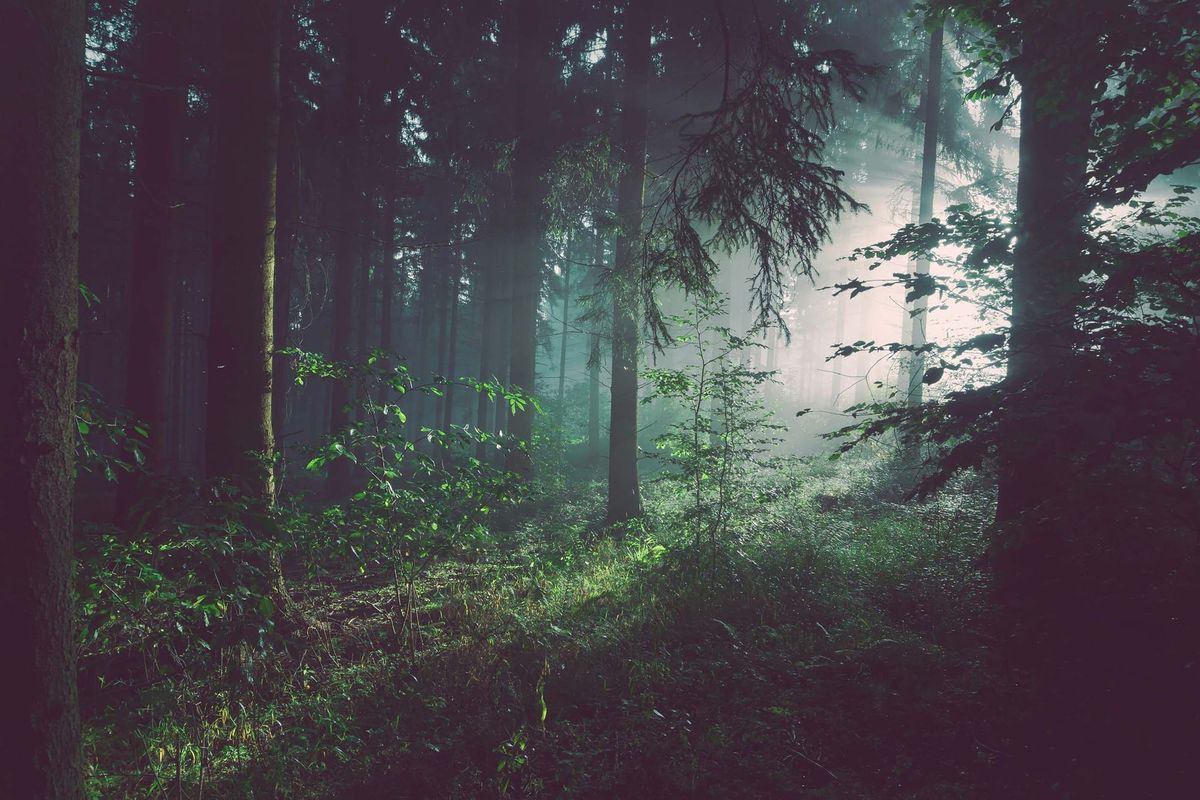
Away from the cities, the countryside fell silent too. Villages were emptied, farms deserted and fields left unplowed. The cultivated lands that had once borne grains, legumes and livestock were abandoned, letting natural succession take over, untouched by human hands. Small shrubs and eventually long-lived trees began to grow, closing the canopy and transforming previously managed lands into forests.
While nobody knew it then, the widespread land abandonment of the Black Death era prompted an ecological experiment of monumental scale. Today, that experiment is being cited as an argument against rewilding. But I think it argues for something else.
 Jennifer Cole
A tale told by pollen
This past March, researchers at the University of York published a study analyzing what happened to plant diversity and vegetation cover across Europe as a result of the Black Death. The team, led by Jonathan Gordon, a paleoecologist at the University of York’s Leverhulme Centre for Anthropocene Biodiversity, combed through over 100 fossilized pollen records pulled from lakes and bogs to better understand which plants grew and in what abundance at a given place and moment in history. Layer by layer, these records stretch back nearly 2,000 years.
To begin, the results reaffirmed previous findings that contradict a common narrative about the era. The Black Death did not strike Europe homogeneously. Pollen records show that some regions maintained steady cereal production throughout the 14th century, hinting that these areas did not experience significant population loss. Of the 109 sites analyzed, only 32 showed declines in cereal farming, while 62 saw active growth during the 14th century. While it’s known that the Black Death was a catastrophic pandemic in many parts of Europe, the details of its extent are not unanimously agreed upon.
Yet the paper’s nuance lies in what the team found at the 32 sites where agricultural decline was evident. The study found that biodiversity, often considered a key metric of ecological health, didn’t improve in these areas: it plummeted. According to the study, plant diversity had climbed for over a millennium as farming spread across the continent, but then collapsed within decades of the Black Death, falling back to roughly where it had stood a thousand years earlier.
The findings made headlines. Discover Magazine called it “Black Death rewilding” and said the study “shows that rewilding has its drawbacks,” while The Independent reported that the results challenge the idea that the richest ecosystems are found in landscapes untouched by humans. Both took a skeptical view of what the results meant for rewilding.
While these publications make some fair points about the study, the full story is more nuanced than they suggest, and may actually speak to what rewilding is all about.
 Rebecca Nesbit
Industrial agriculture vs. traditional agriculture
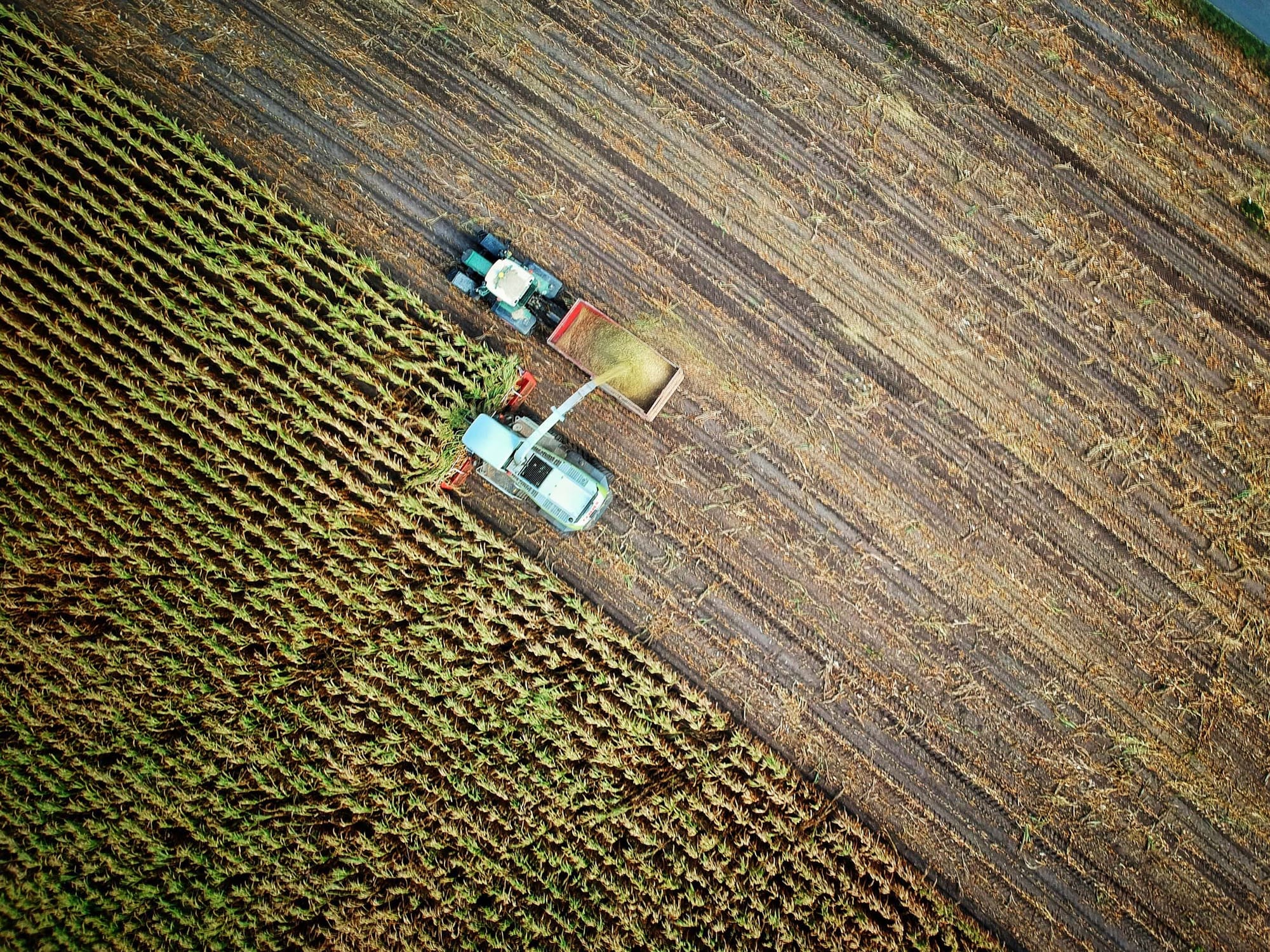
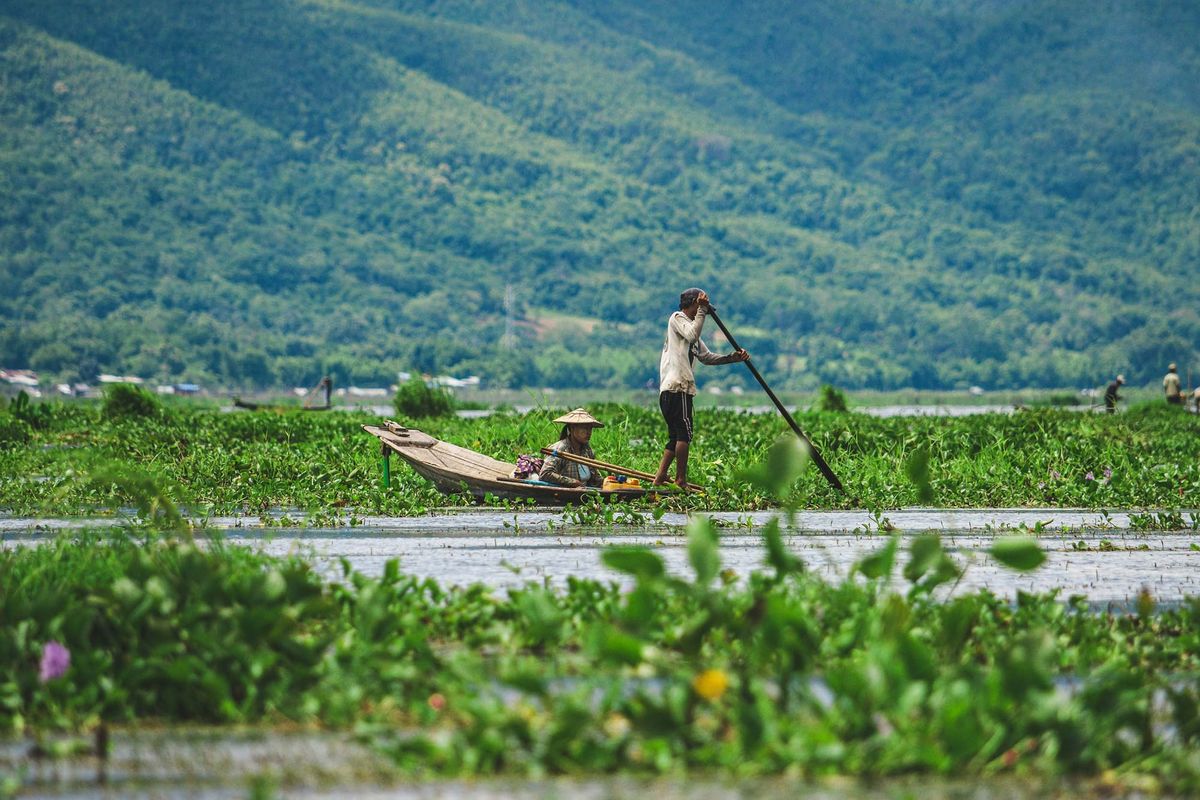
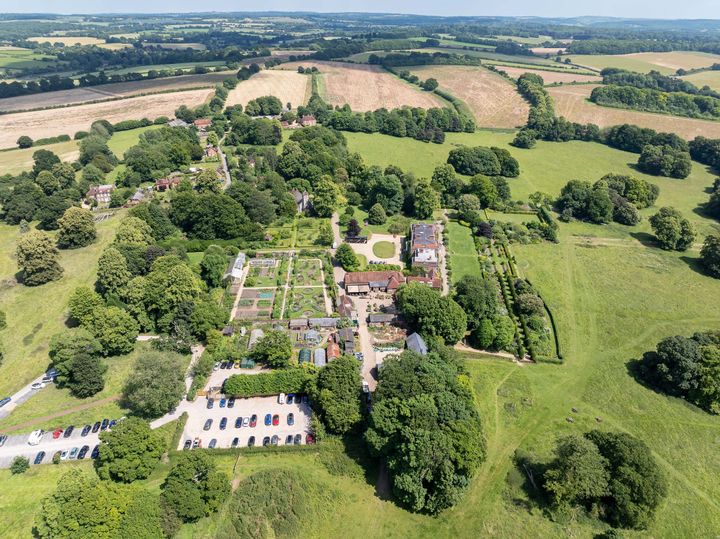
Before moving forward, it’s important to consider that agriculture in 14th-century Europe was very different from modern industrial agriculture. Tractors and synthetic fertilizers and pesticides hadn’t been invented. The countryside was structurally complex, rich in ecotones and unique habitats. As Gordon put it when I asked him about this, traditional farming, as practiced in 14th-century Europe, “often involves rearing animals and growing multiple different crops within the same space, leaving plenty of ‘natural’ features in the landscape: mature trees, hedges and semi-grazed lands.” This sharply contrasts with modern industrialized agriculture, which creates ecological deserts.
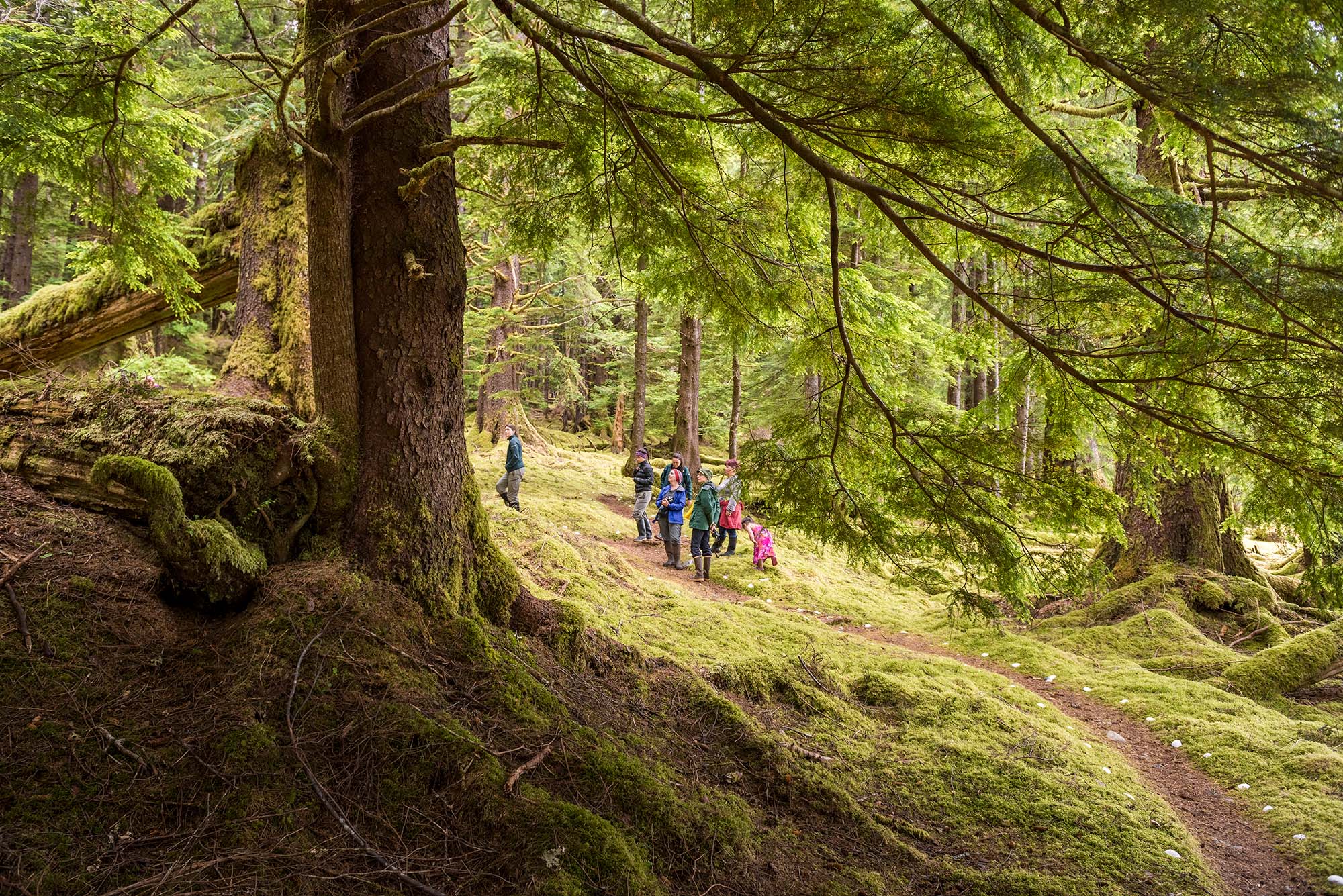
When farmland was abandoned after the Black Death, the structurally complex countryside began to change. The patchwork of fields, hedgerows and grazing lands gave way to more homogeneous closed-canopy forests, resulting in a significant drop in plant diversity. While forests are vital to our biosphere’s health, they tend to host fewer plant species than disturbed open landscapes.
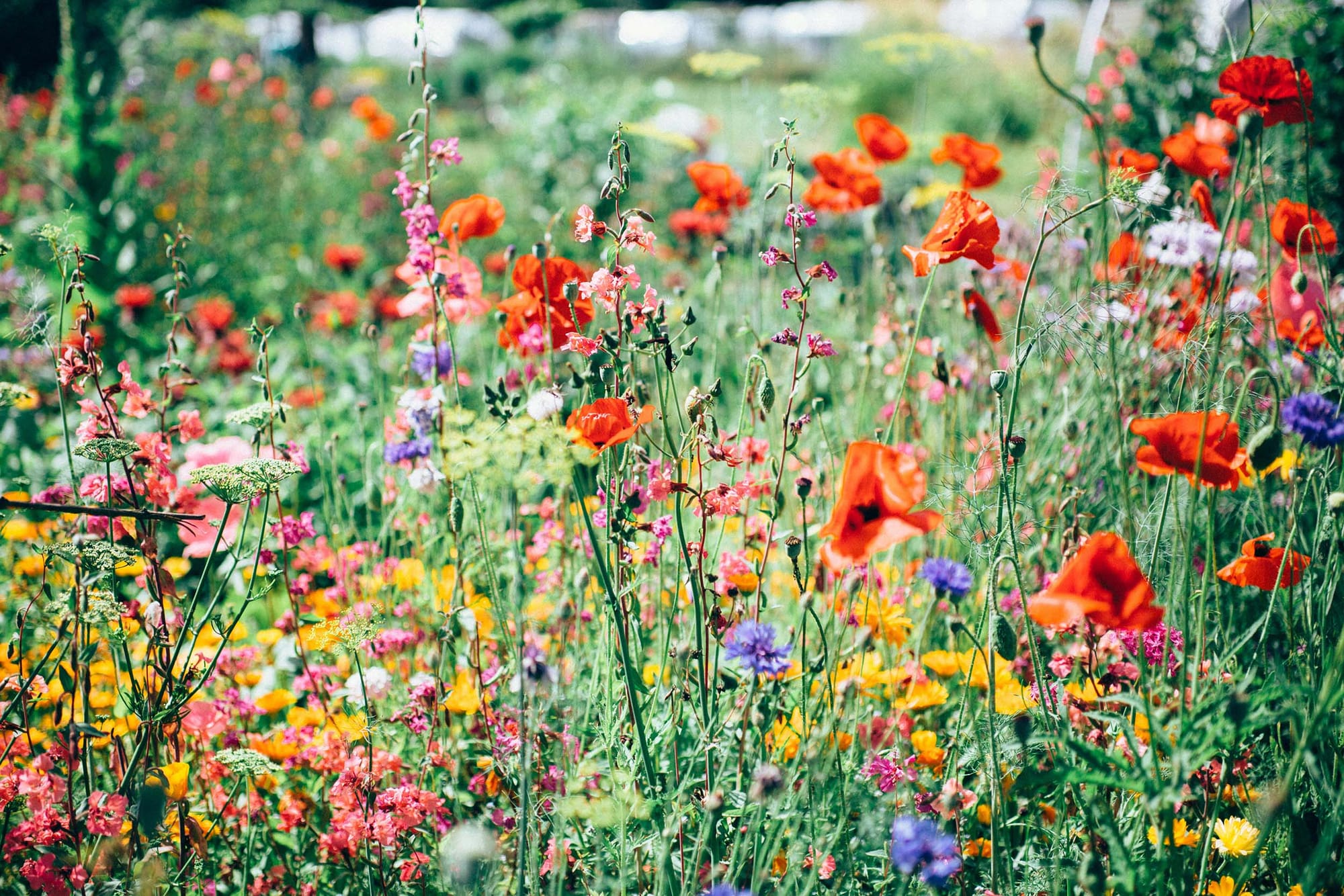
Just think of a field of wildflowers in the spring, and all the different types of species you can find there. Compare this to a closed-canopy forest, which may contain a couple of dominant tree species and shrubs but whose species diversity is relatively tame compared to the patchwork of species found in an open field.
Now, this brings me to a limiting factor in the argument made by publications suggesting this study provides evidence against rewilding. Plant diversity is not the only measure of ecological health. Forests may not be as diverse botanically speaking, but they provide fundamental ecosystem services. They sequester carbon, build soil and are fundamental to watershed health. Forests also provide habitat for many unique species of fungi, birds and animals that cannot be found in other ecosystems. One study analyzing oak-associated biodiversity shows that oaks support more than 2,300 different species in the UK alone. Ecological health is a complex, sometimes subjective topic that needs more than a single benchmark to carry weight in the discussion.
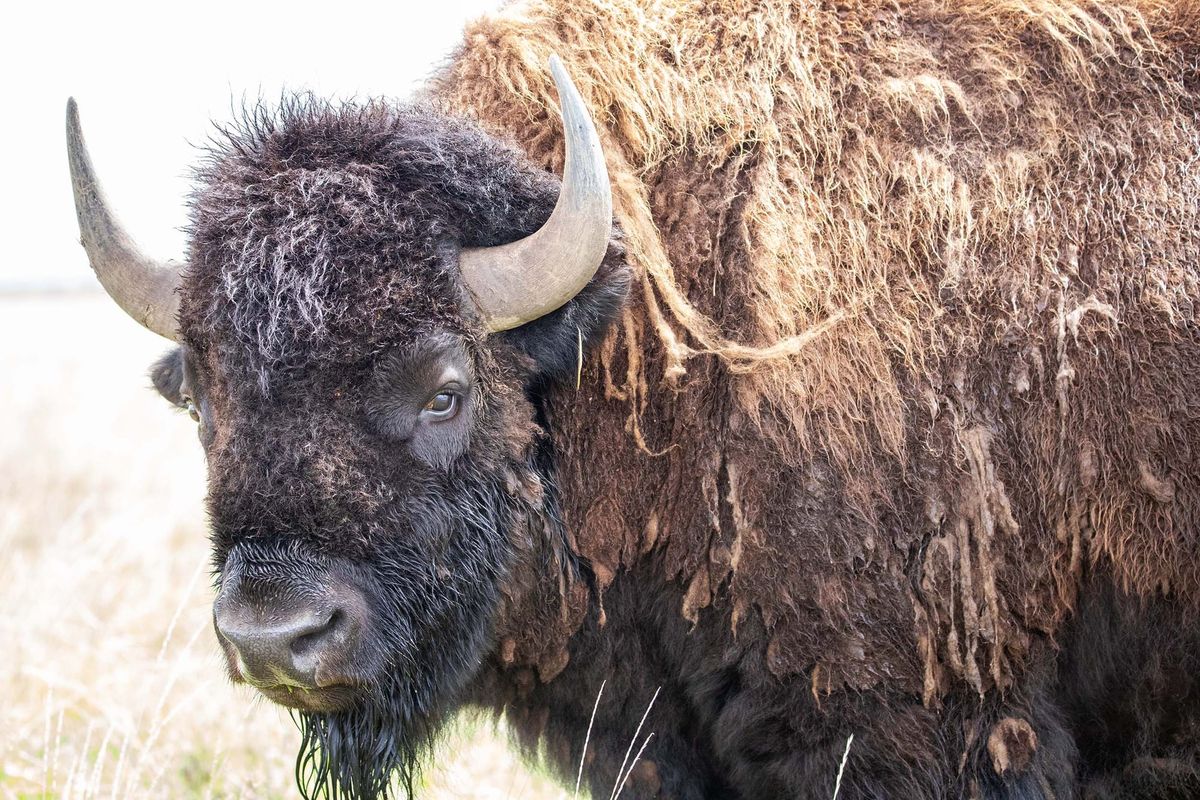
This said, I am not arguing that human land management in the 14th century was positive or negative for the health of the European biome at the time. Indeed, human activity likely did have some positive impacts for biodiversity. After all, when human agriculture was taking its first baby steps around 8,500 years ago, herds of aurochs, bison, wild horses, boars and many other animals roamed across the continent, grazing, trampling and churning the soils and transporting and processing seeds and other plant matter. Traditional farming, in some ways, imitated these animals: grazing livestock, cutting hay and turning the soil in ways that opened space for plants that needed light and bare ground. When human activity diminished, so did that disturbance, and the plants that relied on it lost out.
 Jonathan D. Gordon
The value of disturbance
Indeed, animal disturbances are important evolutionary mechanisms that plants have long been adapted to. Before the last ice age, giant megafauna existed in large populations, causing disturbance and altering vegetation cover. One 2023 study reconstructed vegetation cover from that time and found that open vegetation and light woodland made up more than half of Europe’s cover, with climate explaining only a fraction of that openness. Gordon explained that the mechanism was physical. Megafauna, he said, “disturb dominant vegetation types and soils … through processes of trampling, grazing, browsing and nutrient recycling, which provides the space and conditions for lots of different plant types to grow in.”
Then came the ice age. It lasted more than 100,000 years, pushing heat-loving plants and animals toward the equator in search of refugia. Mammoths thrived in the tundra, but shrinking habitat and likely human hunting drove many other megafauna to extinction, or near it. When the ice retreated about 12,000 years ago, species that had fled south spread quickly back north. Trees, Gordon notes, may have covered 80 percent of the continent at this time, a sharp rise from the last Interglacial and likely a direct consequence of losing the animals that had kept that canopy open for millennia.
Whether it’s windstorms, plagues, climate change, volcanic eruptions, fire or the continuous, complex actions of animals, many plants have made disturbance their ecological niche. As human populations expanded and agriculture developed, many plant species found themselves at home among cleared vegetation and tilled soils. Gordon has made a similar case elsewhere: in a 2025 paper, he and his co-authors wrote that “intensifying human disturbances from ~6550 BCE onwards perhaps replicated those disturbance regimes of past megafaunal populations that once generated diverse and heterogeneous European landscapes.”
 Zack Metcalfe
But was it rewilding?
When I asked Gordon about the skeptical headlines, he told me that while the Black Death study does not test rewilding, he wasn’t troubled by how the coverage framed it. While I understand his perspective, I’d argue the label doesn’t quite fit, and is influenced by how loosely the term rewilding is utilized.
In 2021, a team of conservation scientists surveyed 59 rewilding experts and consulted with more than 100 practitioners to arrive at a shared, working definition, published in the journal Conservation Biology. Rewilding, they concluded, is “the process of rebuilding, following major human disturbance, a natural ecosystem by restoring natural processes and the complete or near-complete food web at all trophic levels as a self-sustaining and resilient ecosystem.” Furthermore, the study doesn’t say human activity needs to be excluded from rewilding efforts. Its guiding principles call for “zoned systems of compatible low-intensity human land use” alongside wilder core areas.
Rewilding is not simply removing the human footprint from a landscape. It’s a conservation strategy that utilizes deliberate interventions (dam removal, introducing large animals, etc.) to restore the structure and function of ecosystems. Indeed, many rewilding projects focus on restoring the disturbance that large animals once provided and that human activity later came to mimic. The Black Death was not a rewilding initiative; it was a human catastrophe with environmental implications. The study adds another example to a long record of human societies as part of healthy, biodiverse landscapes that includes stewardship by Indigenous communities around the world.
 Joseph Lee, Grist
Humans, rewilding and co-existence
Gordon stressed that humans aren’t inherently bad for biodiversity. In his view, the problem is how we farm today, and the path forward isn’t a single prescription.
“Decisions should be context dependent, locally appropriate and made alongside the people who live there,” he said. “If local people want to continue to farm in traditional ways, and it is climatically and environmentally feasible, this should be encouraged.” This parallels the guiding principles for rewilding discussed earlier, which state that rewilding should involve local people, be shaped by context and draw on local and traditional knowledge.
The question isn’t whether humans belong in the landscape, but how we choose to shape it and what we hope it will become. If the past seven centuries have taught us anything, it’s that there is no single definition of a healthy landscape, and that people can be part of making it so – as long as we tend it wisely.

Comments ()