

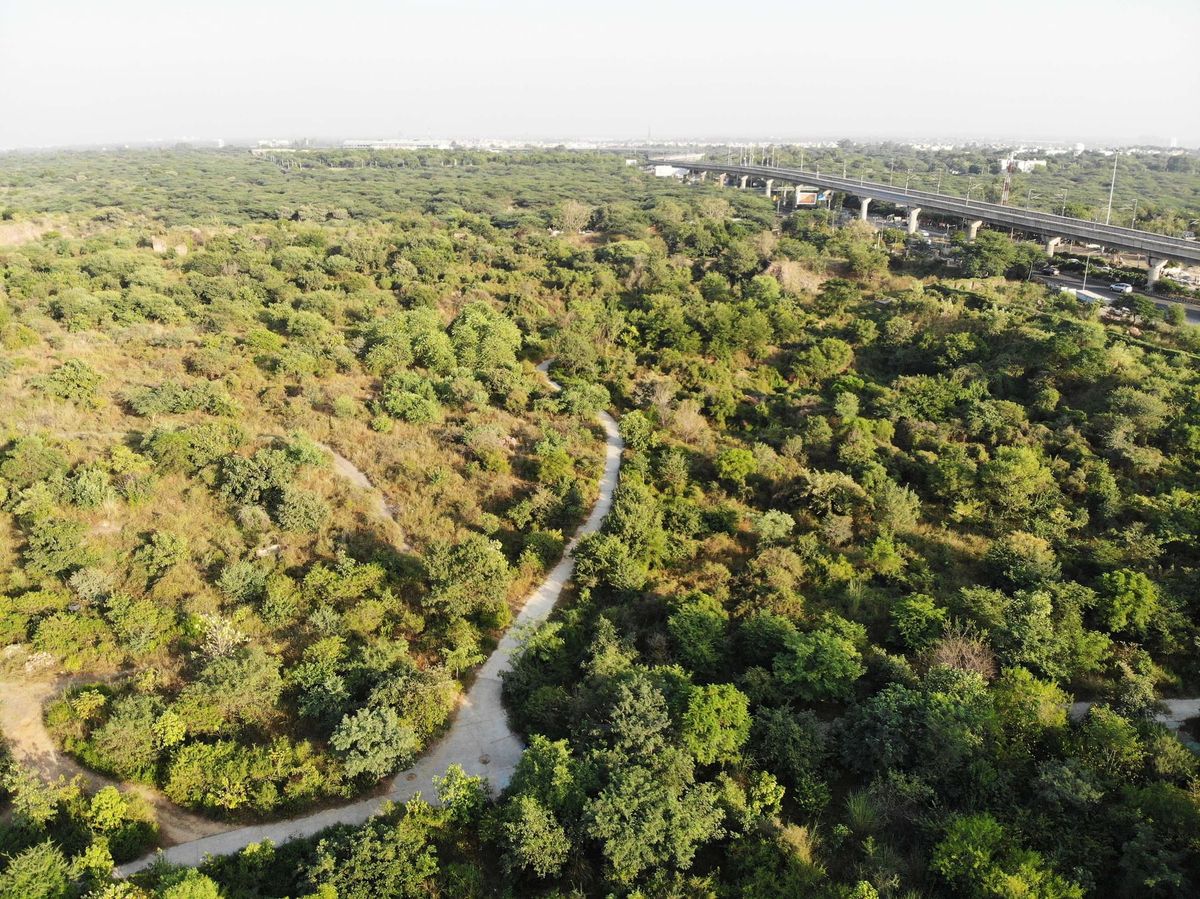
Dedicated citizens in one Indian city have turned an abandoned mining site into a thriving green oasis.
Barren land stretched before Vijay Dhasmana as he stepped onto the scarred remains of an abandoned mining site at the fringes of the city of Gurugram, which borders Delhi. Decades of quartzite mining and sand quarrying had stripped the land of its topsoil. There was hardly any vegetation, Dhasmana recalls, except a lone Peepul tree (Ficus religiosa) in the distance, some seasonal grasses, and highly invasive Prosopis juliflora shrubs. Eight stone crushers loomed as remnants of the land’s extractive past. It was hard to imagine that a native forest had once stood here, or that it could ever be restored.
It was 2010, and a citizens’ group called iamgurgaon had invited Dhasmana, an eco-restoration practitioner, to help turn this 392-acre site into an urban park – the Aravali Biodiversity Park. Three residents of Gurugram (also known as Gurgaon) had founded the organization the year before to restore their city’s green cover. Rapid urbanization has left Gurugram water-stressed and among India’s most polluted cities. “This is the area where we live and breathe, so we need these green lungs in the city,” says Priti Sanwalka, a core team member of iamgurgaon.
Gurugram lies within the fragile ecosystem of the Aravalli Range, which is one of the world’s oldest fold mountain ranges and prevents the Thar Desert from inching eastward. But decades of mining, encroachments and waste dumping have severely degraded large stretches of these ancient hills, which also recharge groundwater and regulate climate. Between 2012 and 2020, Gurugram’s Aravallis reportedly lost over 10,000 acres of ecologically sensitive areas designated as Natural Conservation Zone.
For Dhasmana, the proposed park provided the perfect opportunity to bring back the Aravallis’ native forests.
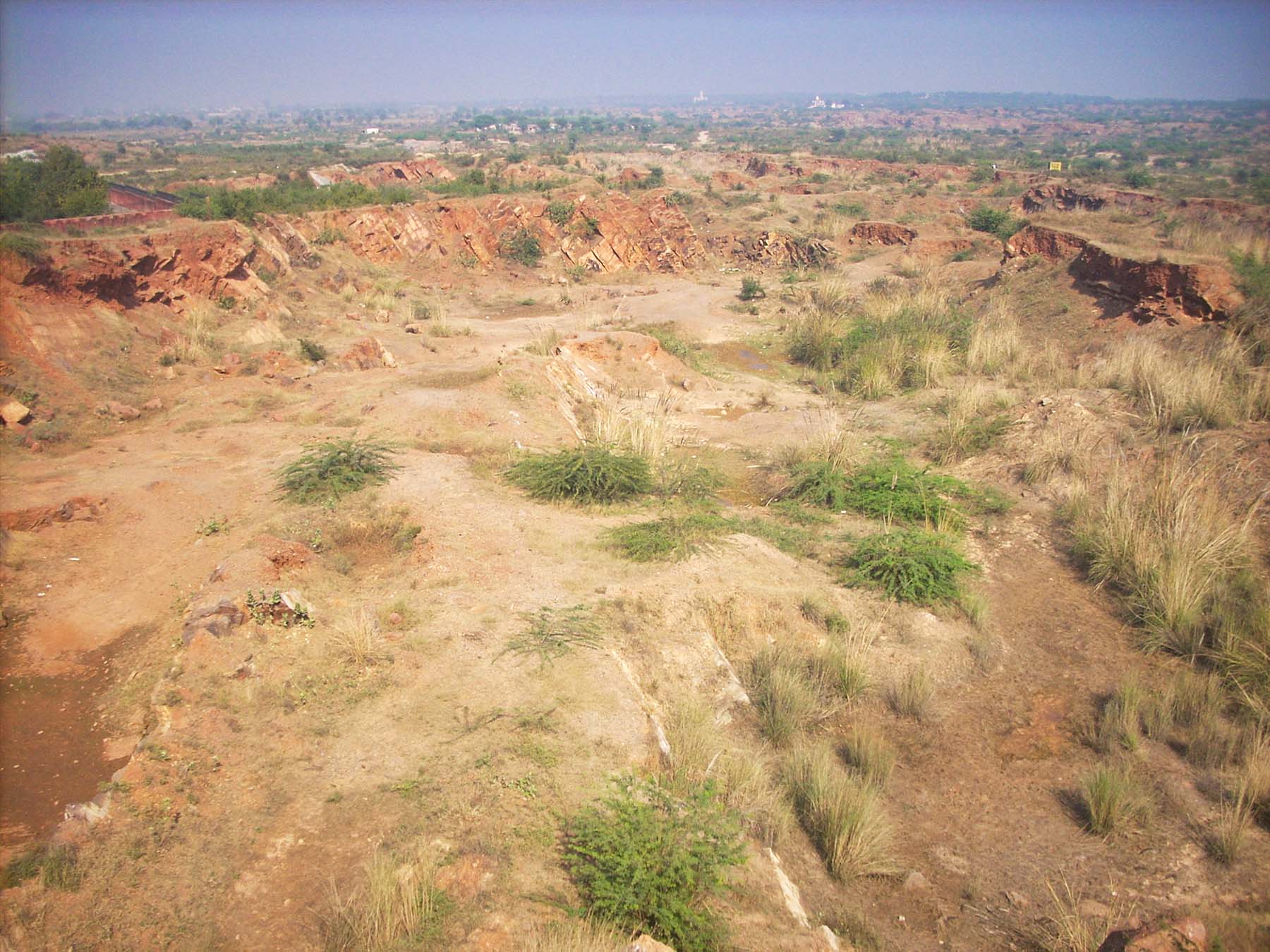
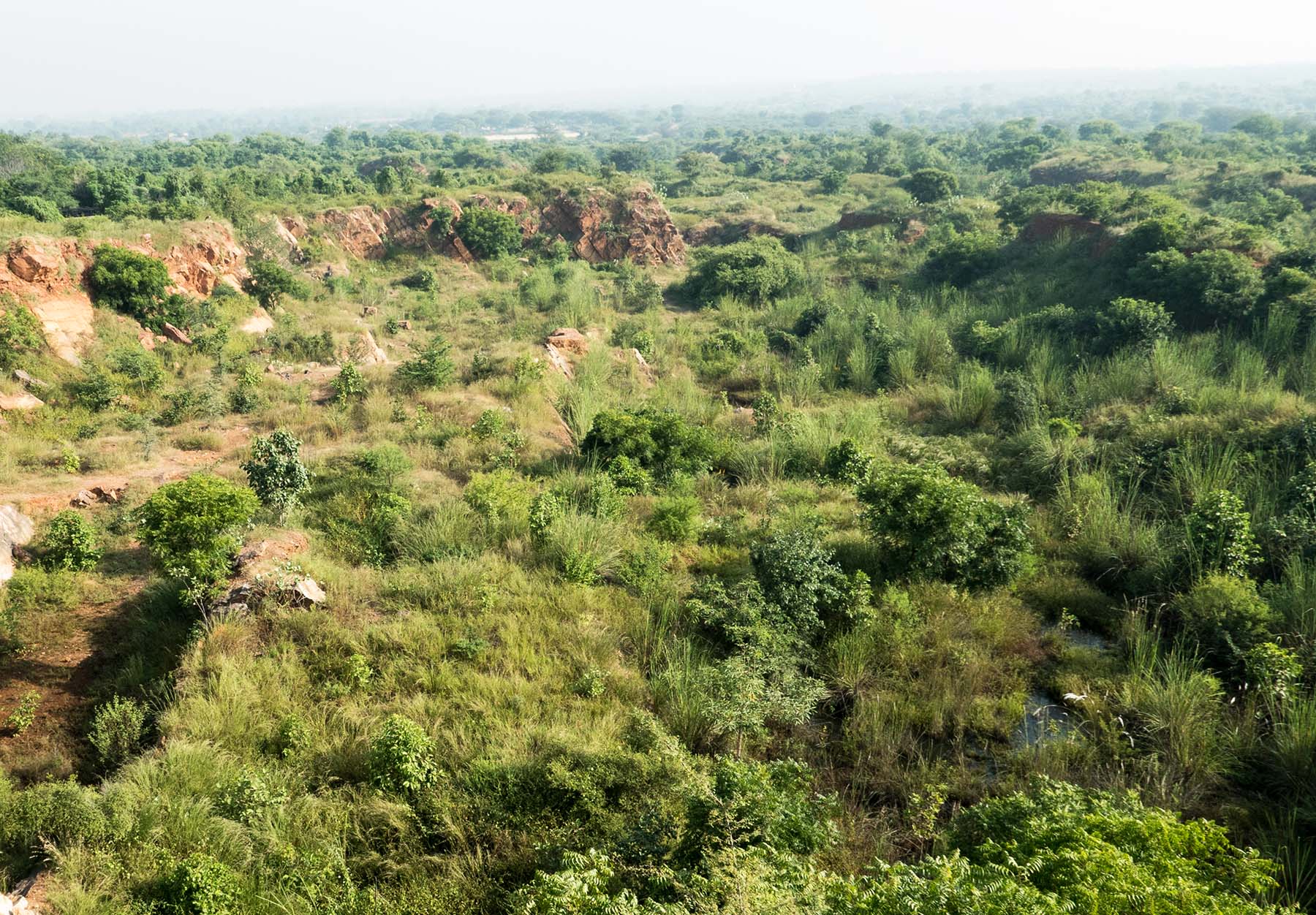
Left: A mined valley on the site was mostly barren land and exposed rock in 2011. Photo: Atal Kapoor. Right: The same valley in 2020 after forest communities of native trees, grasses and shrubs had taken root. Photo: Vijay Dhasmana.
Rebuilding native microhabitats
Dhasmana’s first task was to steer the park’s vision away from the planned manicured spaces and toward ecological restoration. Members of iamgurgaon and the city’s commissioner agreed to the idea after visiting the region’s last-standing natural forests, like the sacred groves of Mangar Bani, which are prime examples of the tropical dry deciduous and thorn forests adapted to this semi-arid landscape.
The first step was to grow the right seedlings. “Unfortunately, nobody grows native plants of Aravallis. It was true then and it’s true today also,” says Dhasmana. After signing an agreement with the Municipal Corporation of Gurugram in 2012, the team ventured into the wilderness to collect indigenous seeds from fruiting pods to set up their own nursery. They germinated over 30 species in their first year. Eight years later, they had added around 300 native species to the landscape, including threatened varieties such as Dhau (Anogeissus pendula) and the Ghost Tree (Sterculia urens).
 Bharath Thampi
Each monsoon, when the hard ground was more pliant, thousands of citizens and children and several corporate groups helped plant saplings under the gardeners’ supervision. “We didn’t want to keep it as a closed site. We wanted people to come in and plant themselves,” says Sanwalka. It was through one of these plantation drives that Sanwalka joined iamgurgaon herself.
The team aimed to replicate the layered, self-sustaining forests made of tiny microhabitats they had seen in the wild. They began by decoding the land’s history. Dhau, for example, is a tree that always grows in a community, never alone. Its scattered presence on the land suggested the area once held Dhau forests, explains Dhasmana.
They uprooted invasive species, protected the rootstock of native varieties and extended the range of grasses. Forest communities of each indigenous species were planted in the most suitable terrain. Salai or Indian Frankincense (Boswellia serrata) stood on hilltops and ridges, wetlands transformed into Saccharum grasslands, while Dhau was planted on steep, rocky slopes. Mined pits where water accumulated became seasonal water bodies and were lined with moisture-loving Kaim (Mitragyna parvifolia). “It was curated but mainly trying to imitate what we saw in nature,” says Dhasmana.
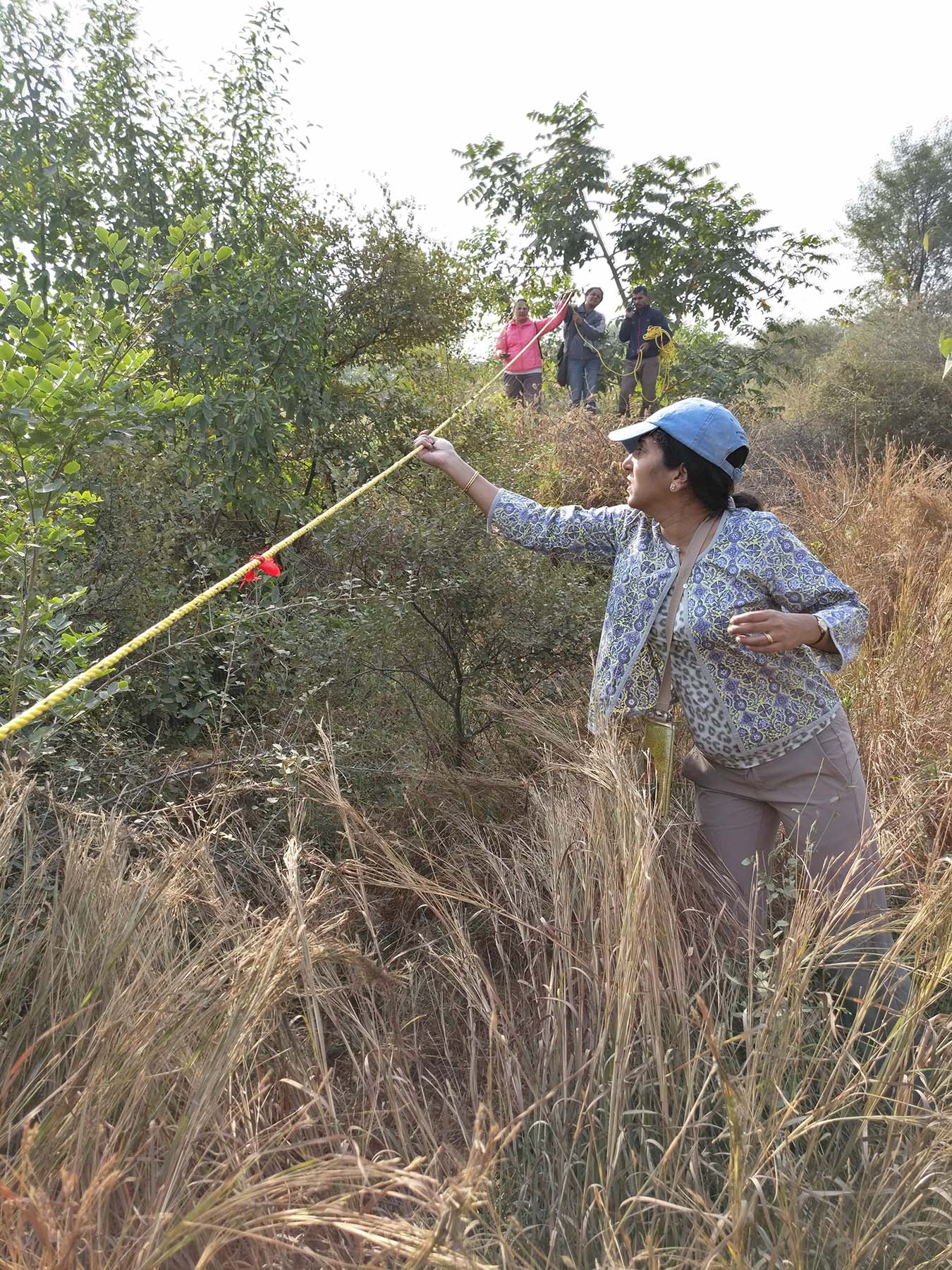
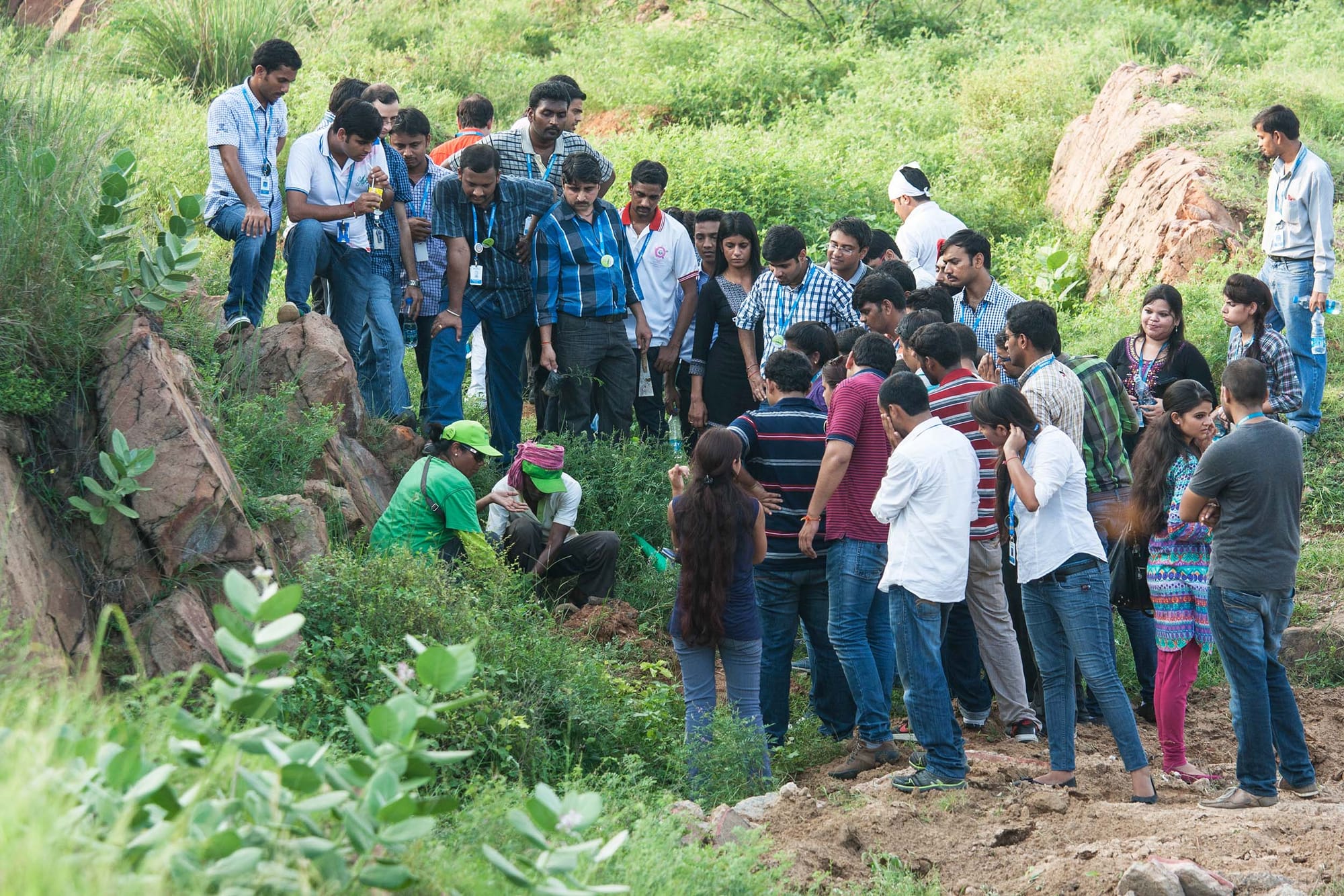
Left: Citizen volunteers at a community-led monitoring program. Right: Corporate volunteers learning how to plant saplings. Photos: Vijay Dhasmana.
A community grows with the forest
The saplings were only a foot high until 2018, leaving Sanwalka and the team wondering, “Will we see a forest in our lifetime?”
These native plants grow in nutrient-poor soil that holds little moisture, investing their early energy in their root systems to anchor themselves, Dhasmana explains.
The first signs of recovery came with the monsoon, when a grass cover sprouted over the land. “Every day was a surprise after that,” he says.
Soon, insects returned, followed by woodland birds like orioles, barbets and hornbills. The park is now home to diverse forms of life, including amphibians, invertebrates and several mammals like nilgai and the jungle cat. It is also among the region’s richest birding spots, with over 200 species, including the Indian eagle-owl, which returned to nest atop rocky outcrops.
 Patrick Finnerty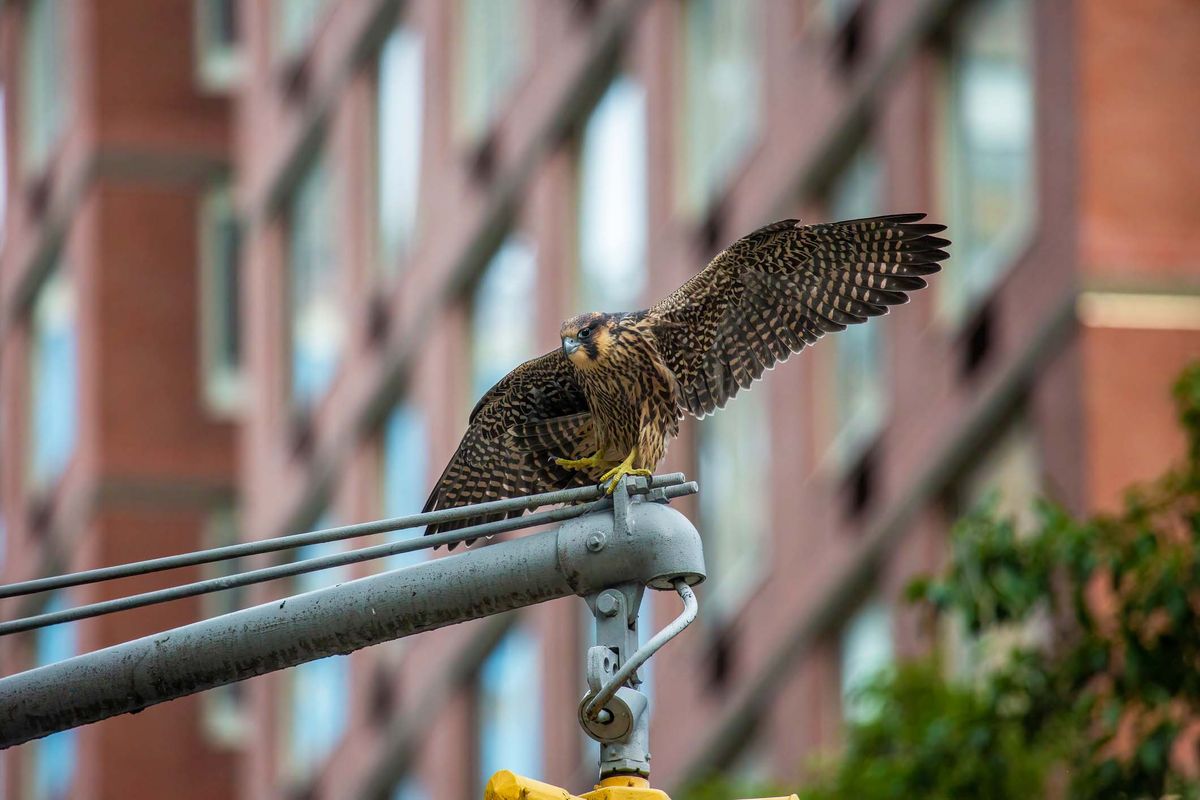
“Importantly, [the park] has created greater awareness among city residents about the Aravalli Range, its forests and its unique ecosystems,” says Vallari Sheel, a Delhi-based urban ecologist. In 2022, it was recognized as India’s first Other Effective Area-Based Conservation Measures (OECM) site, a designation for biodiverse landscapes lying outside formally protected areas.
But while this young forest was taking root, the team was fighting to protect it. Encroachments were common, grazing animals devoured young plants, and funding was scarce. Iamgurgaon initially financed the restoration with personal cheques before tapping into Gurugram’s large pool of corporate social responsibility funding.
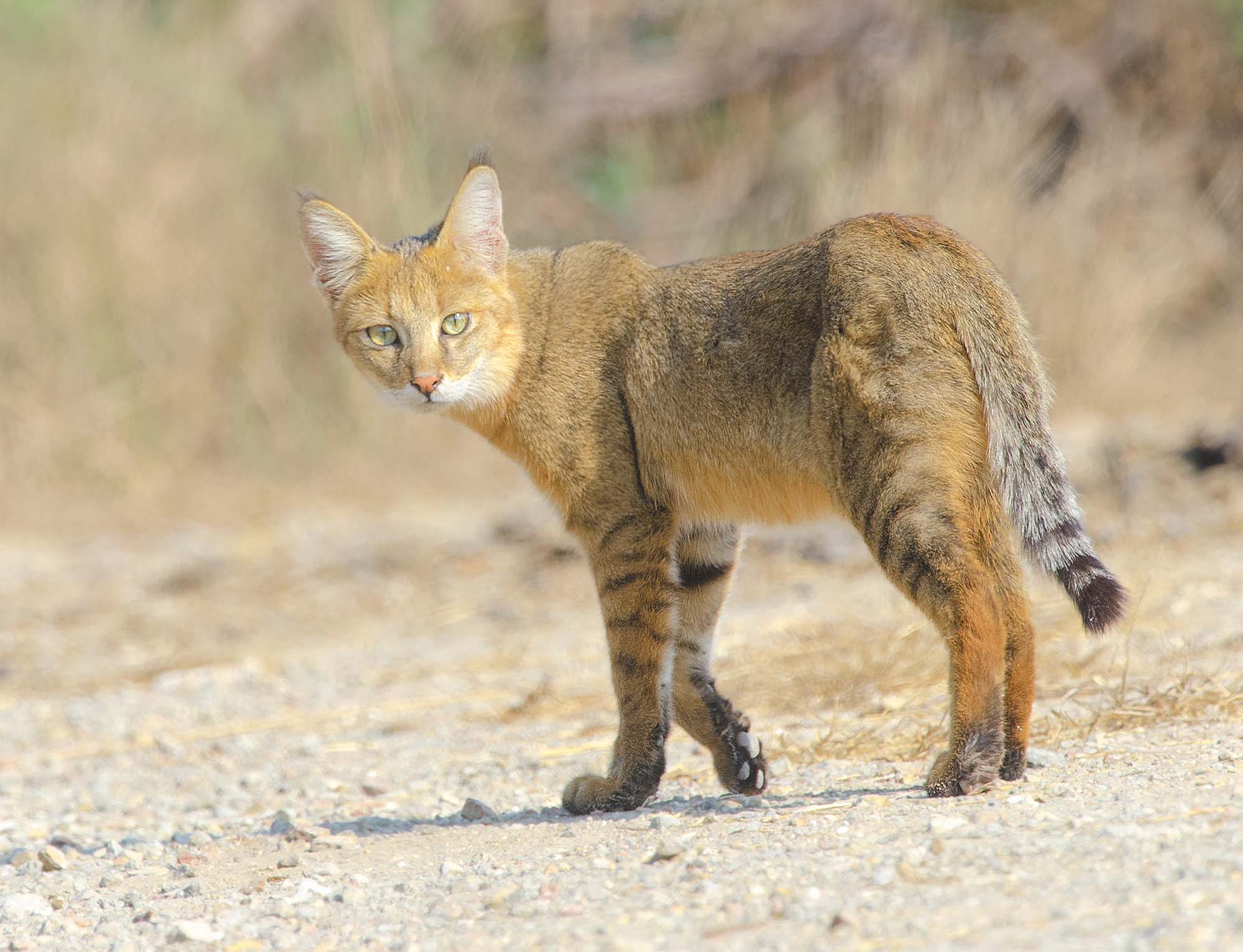
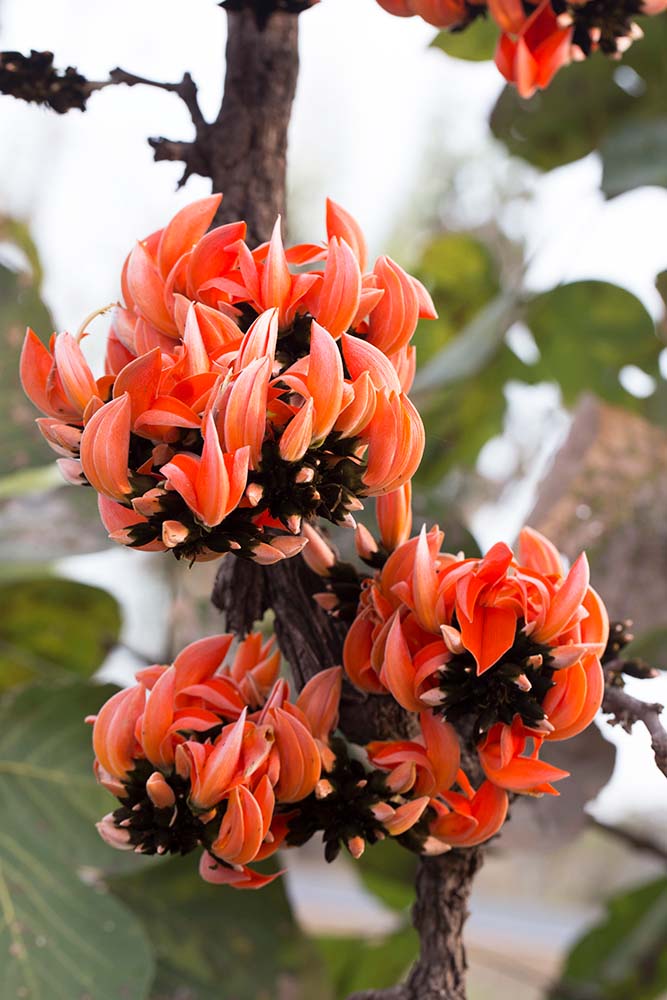
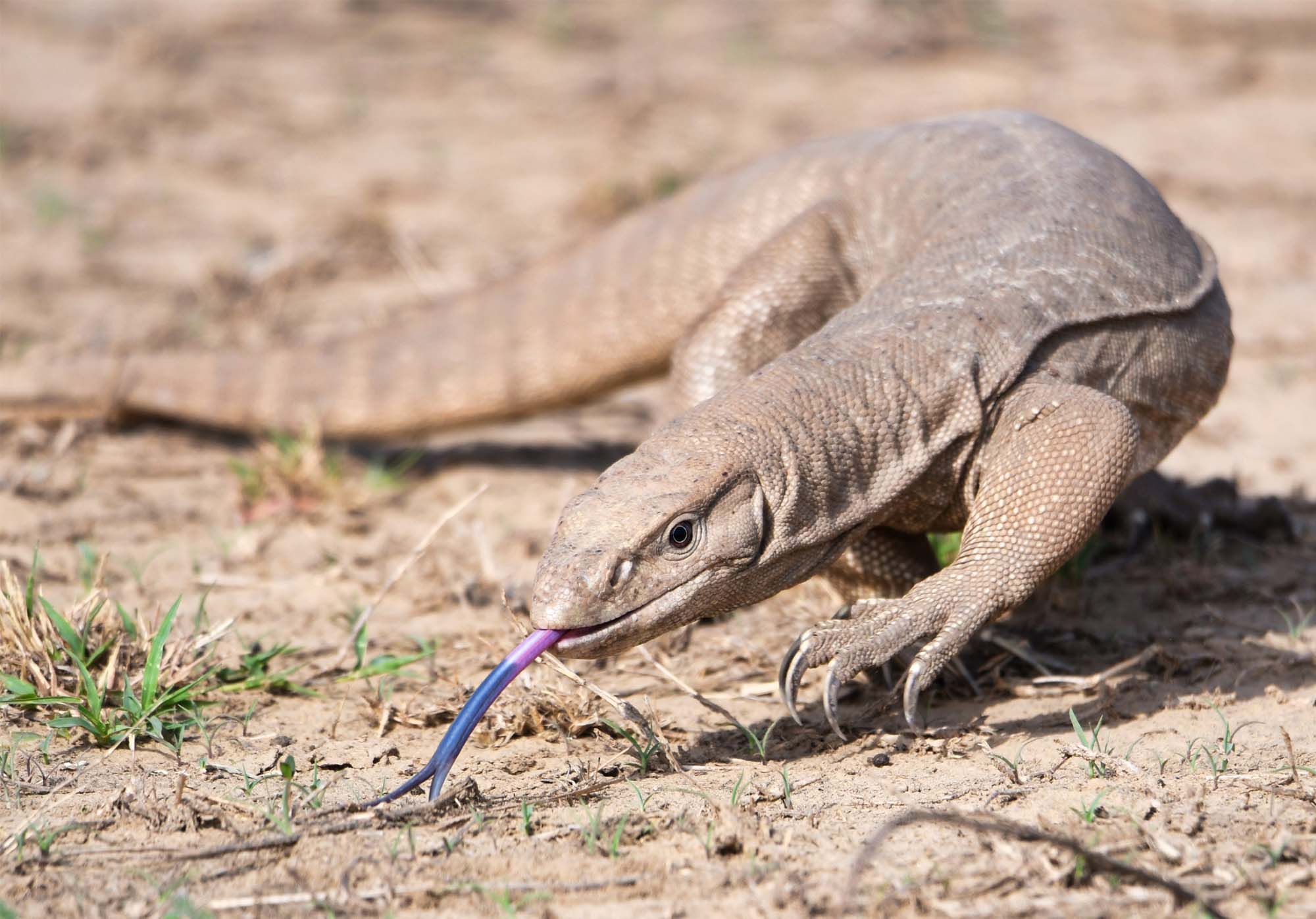
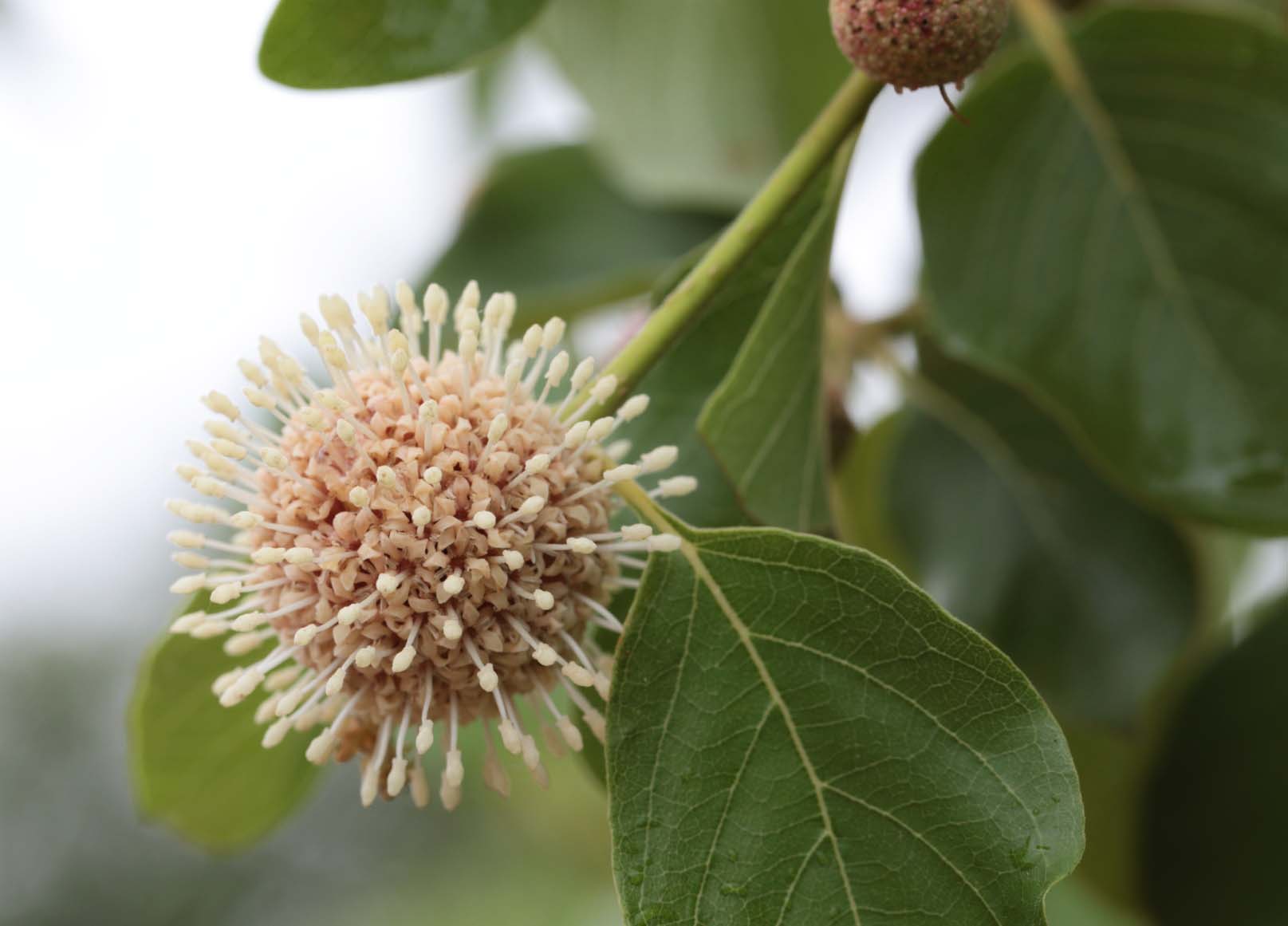
Clockwise from top left: A jungle cat. Photo: Rajesh Shah. Dhak (Butea monosperma). Photo: Vijay Dhasmana. Kaim (Mitragyna parvifolia). Photo: Vijay Dhasmana. Indian monitor lizards are a common sight at the park. Photo: Arvind Yadav.
The local government was largely supportive and provided infrastructure such as fencing and pathways, but bureaucratic hurdles remained. The park faced repeated threats from proposed “development” projects, including a night safari and a Science City. The biggest blow came in 2018, when a six-lane highway was planned through the restored landscape.
Heeding iamgurgaon’s calls to save the forest, over 1,200 people, including children, showed up at the park in protest. The project was stalled after massive public outcry. “It was a crisis time,” says Dhasmana. “But what it showed was that people cared for this place.”
 Sophie Knaus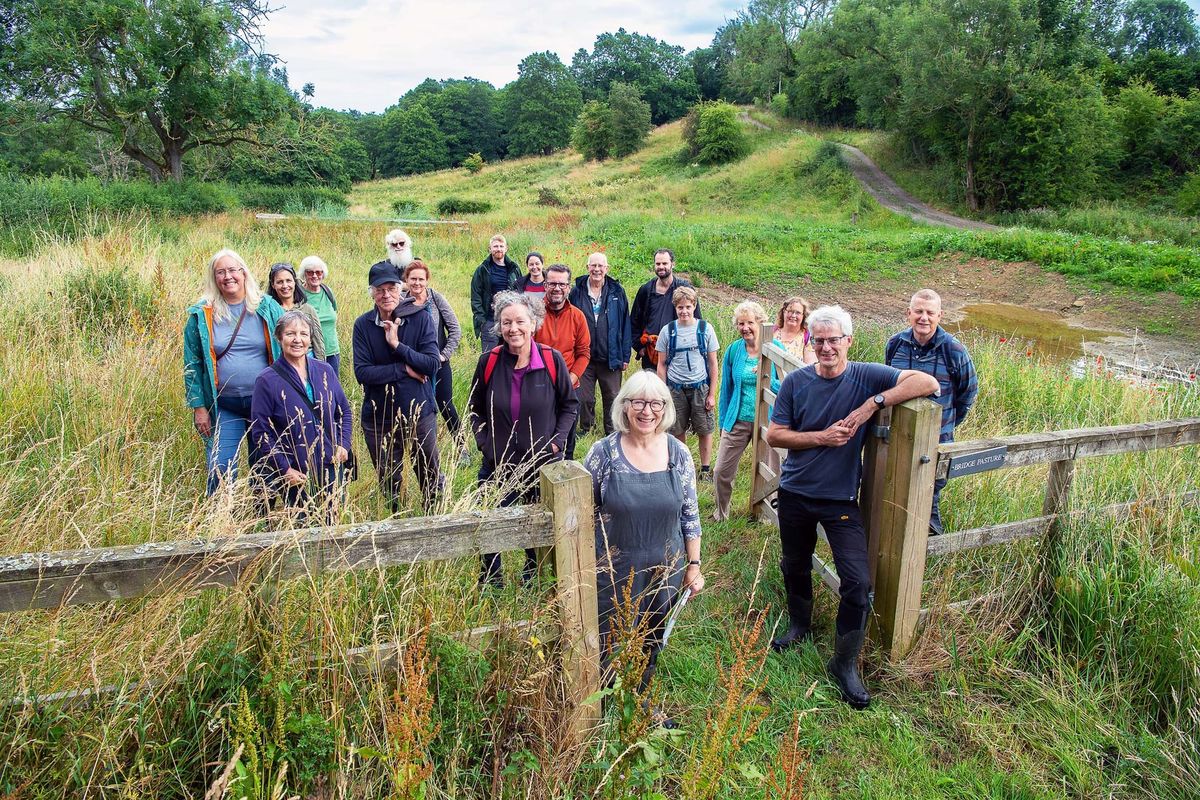
Today, the park is frequented by residents of surrounding villages, Gurugram’s urban population, and forest department trainees who come to learn about eco-restoration.
“We don’t ticket any of the spaces. They’re open to the public and they’re free, because we would like people to experience these spaces from all strata,” Sanwalka says, adding that people living in informal settlements rarely have access to green spaces.
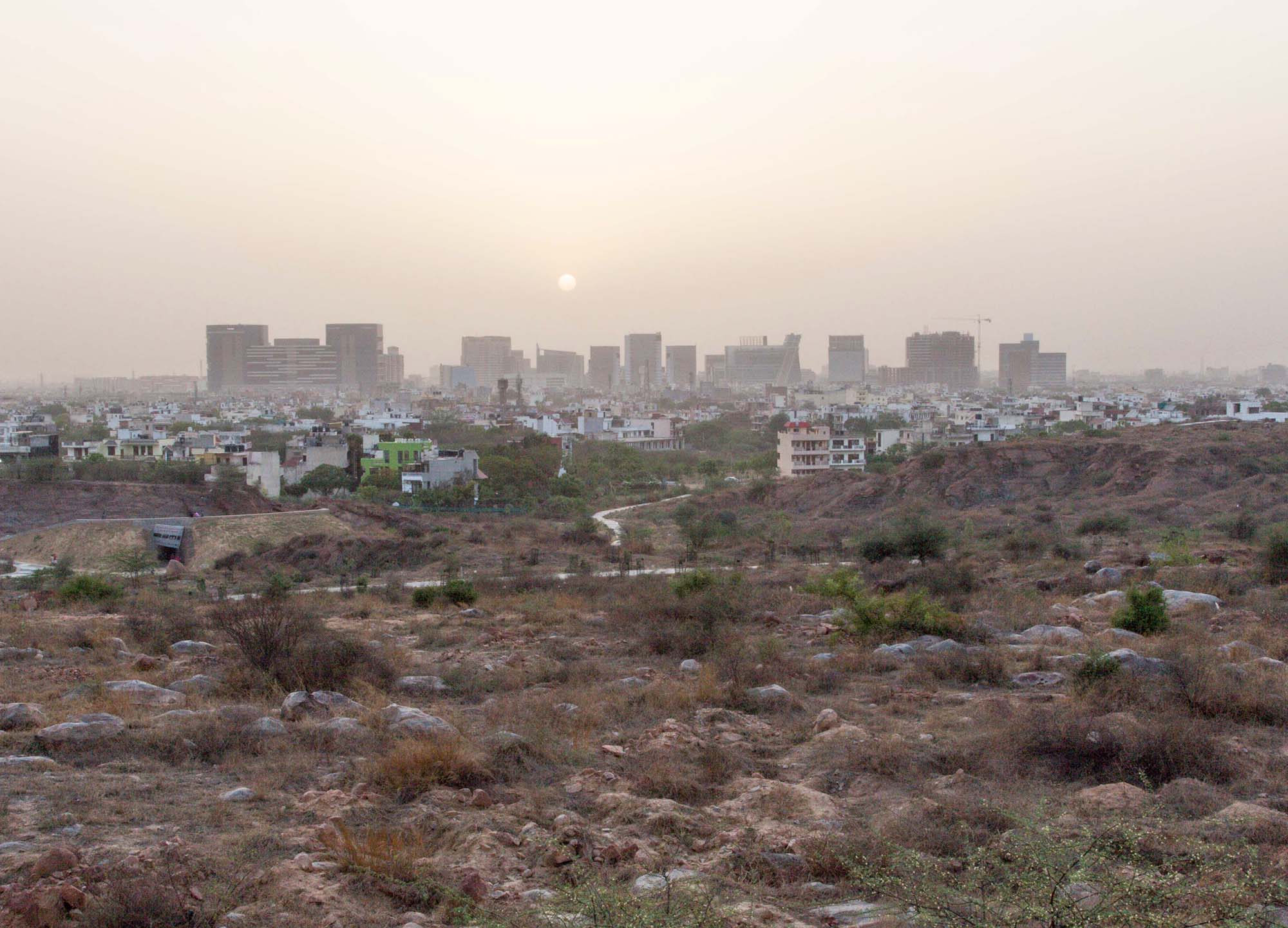
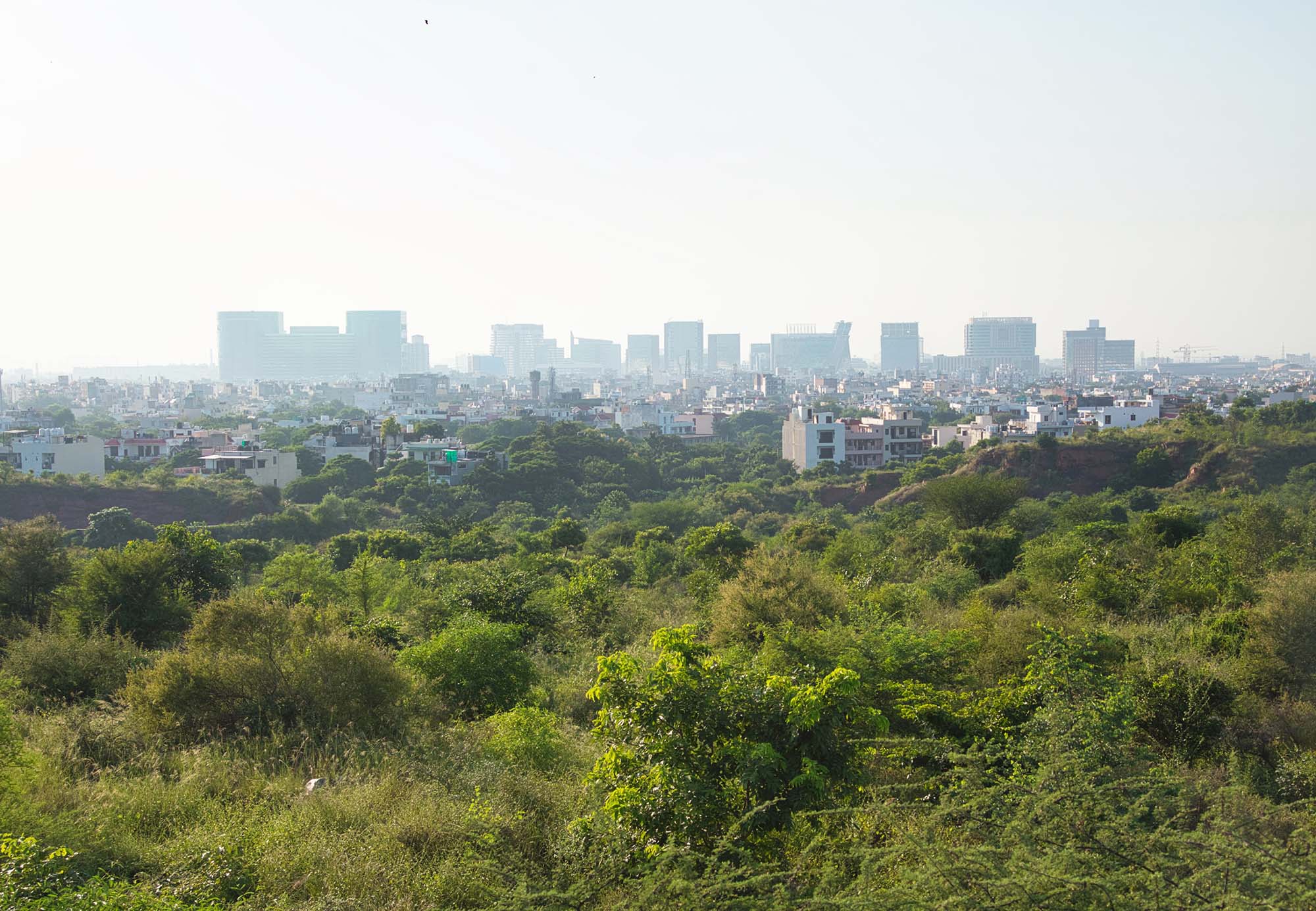
Left: The barren site in 2011 was prone to encroachments and waste dumping. Photo: Abhijit Singh. Right: The land transformed into Gurugram’s urban forest after restoration, as seen here in 2018. Photo: Vijay Dhasmana.
A forest’s future
In 2021, the site’s maintenance was handed over to Hero MotoCorp Ltd., a private company that manufactures two-wheelers. Dhasmana continues to consult with them, while iamgurgaon has expanded to over 15 restoration projects across Gurugram. Each project draws on the lessons that were learned while rewilding the park, sometimes through trial and error. For instance, they now document baseline data on flora and fauna before beginning restoration. “Everybody wants evidence of change,” Dhasmana says.
Although the park has been widely celebrated as a success story, it lacks legal protection. “Ideally, such areas should also be classified as forest, either through notification and also changes in the revenue record,” says Chetan Agarwal, senior fellow at the Centre for Ecology Development and Research, who has worked extensively on the Aravallis. The team is now hoping to protect the park by having it declared a Biodiversity Heritage Site.
 Rishabh Jain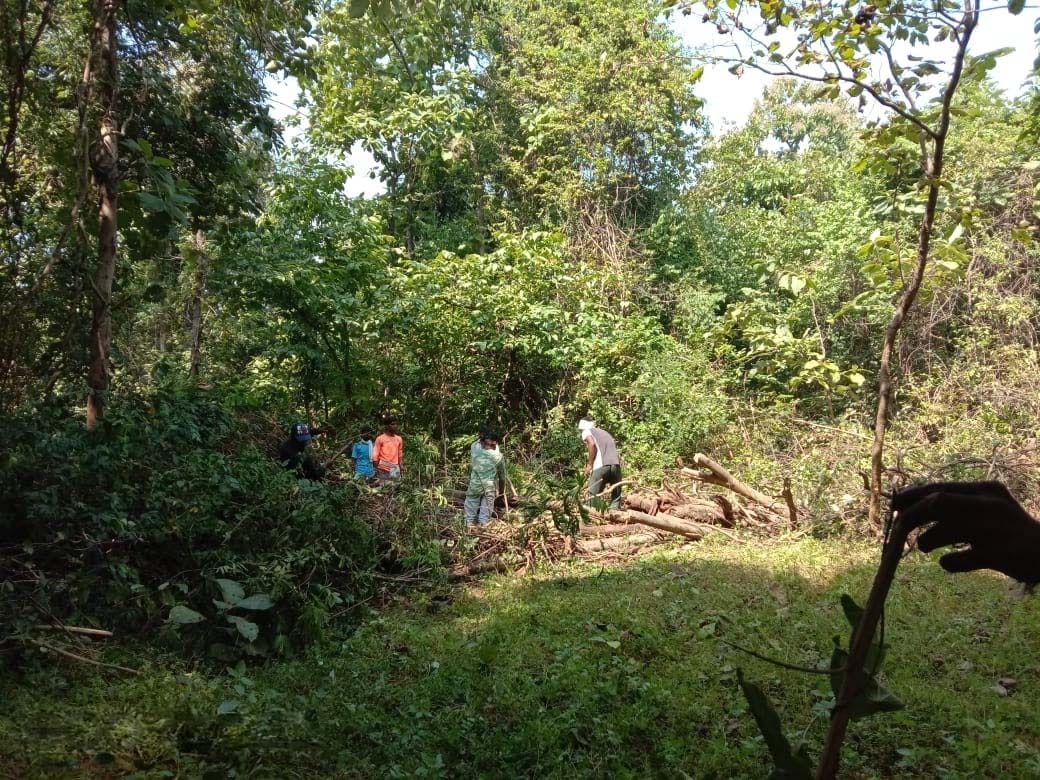
Iamgurgaon has also cultivated a large volunteer network including 180 corporate partners. Citizens conduct biodiversity surveys, monitor vegetation and organize cleanups. On weekends, people gather to attend nature walks, a bioacoustics workshop or a lecture on the Aravallis’ wildflowers. Public participation creates awareness and builds a sense of ownership that can hold authorities accountable, says Sheel.
Beyond serving as an educational site, Dhasmana believes these green spaces offer recreational respite and can redefine people’s relationship with the wild. Visitors often tell them that the park is where they find rare moments of calm in the thick of urban sprawl. It’s by nurturing such connections with nature that these spaces will survive in the long term, he says. “We won't be able to save or protect these wild areas unless the citizens find value in them.”
Main image: An aerial view of the Aravali Biodiversity Park’s restored landscape. Photo: Vijay Dhasmana.


Comments ()