

Q&A: Common questions about rewilding your garden
Unsure about aspects of rewilding your yard? Check this list of commonly asked questions to see if the experts can give you the answer you need.
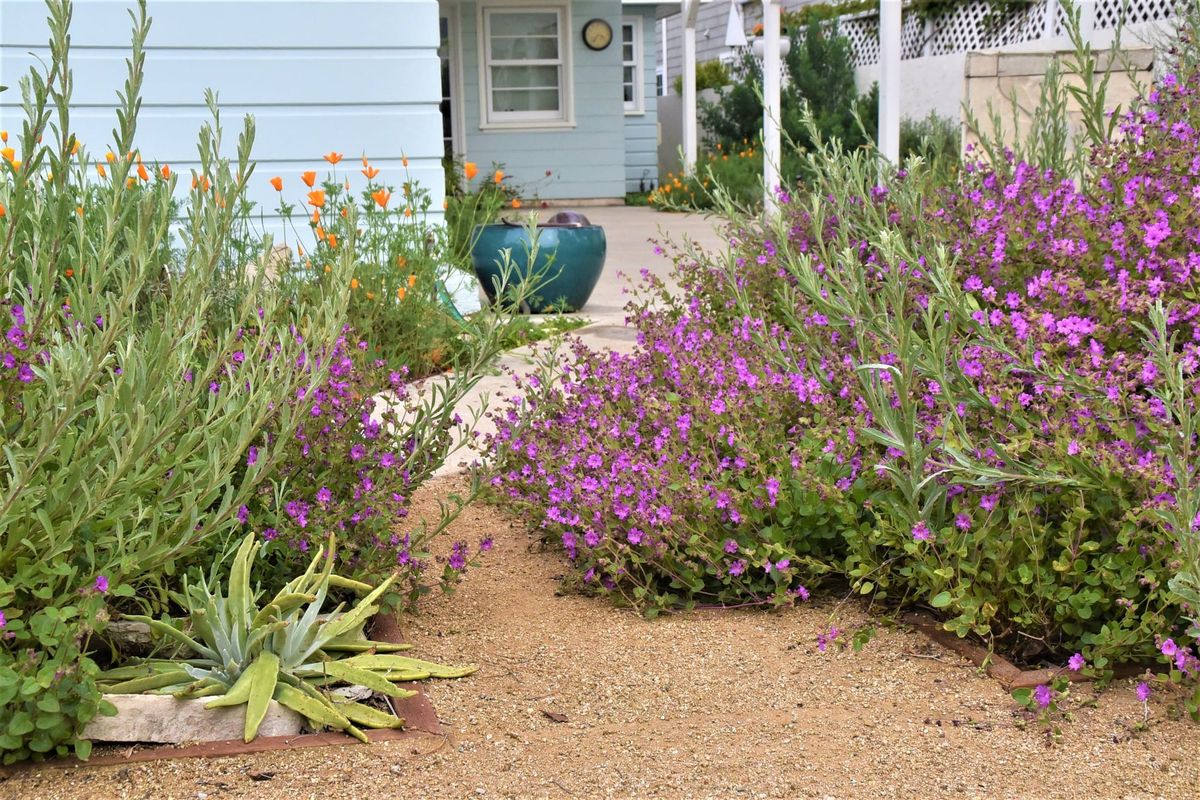
Browsing colourful photos of meadow-like front yards and picturing a backyard oasis of wild bergamot, wood poppy, lance-leaf coreopsis and bright black-eyed Susans (or their equivalents in your neck of the woods) is enough to get just about anyone ready to rewild. It’s the kind of project that feels good on many levels: you get outside, work with your hands, plants start to grow and pollinators show up.
But while you’re doing your part to give the local ecosystem a lift, you might also run into problems (or oddly specific questions that even a well-loved Reddit thread can’t handle).
Should you take the advice of slogans like “No-mow May” and “Leave the leaves?” Should you try to do something about the little green bug that’s all over your sunflowers? Whether you’re wondering what that bug is, why your plants aren’t growing or what the best practice is for weeding, you’ve come to the right place.
If you’re new to rewilding – or you’ve run into a few common challenges – this is your go-to FAQ. You’ll find clear answers from experienced gardeners around North America, plus practical fixes you can actually use. Bookmark it for the next time something pops up… or refuses to.
 Elizabeth Nicholls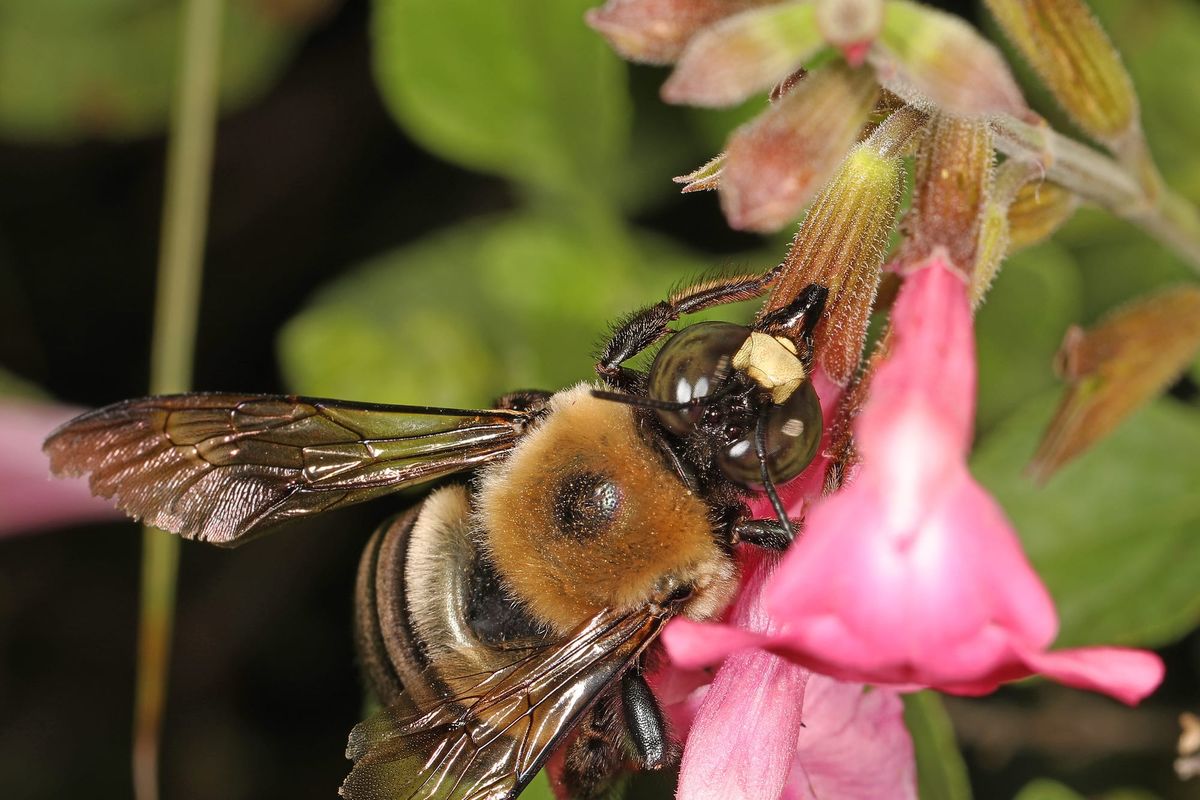
Q: I like the idea of planting seeds rather than seedlings to save money, but it’s so hard to differentiate the sprouting weeds from the seeds I planted.
The expert answer for this question comes from Benjamin Vogt, the owner of Prairie Up, offering garden design, online classes, workshops, webinars and guidebooks. He is the author of A New Garden Ethic: Cultivating Defiant Compassion for an Uncertain Future, as well as Prairie Up: An Introduction to Natural Garden Design. He says:
“Planting seeds is a great option to save money, but I’d suggest planting them in larger pots or containers, then when young, transplanting to the garden to maintain some sense of design that builds a bridge between neighbours with lawn and foundation beds. I only sow meadow seeds, for example, in a meadow – 15,000 or 40,000 square feet. Then let the plants figure it out – including the weeds.
“Some native plants are tricky to germinate; they may require pre-treatment or take years to germinate. I prefer to get those plants as plugs. Let the nursery folks do the hard work, I say!”
Do you have any tips on weeding around seeds?
“Most weeds are annual and will vanish if we plant densely and in layers – whether you are using plugs, gallons or seed mixes. Some weeds are invasive and should be dealt with.
“And weeds DO serve a purpose: it’s nature healing over a wound. Going in and pulling or treating every weed creates more disturbance, which creates more opportunities for more weeds. Some weeds just need to be deadheaded so they don’t set seed the one year they are alive. Still, if we plant thickly enough, the garden takes charge in years two and three.”
Benjamin Vogt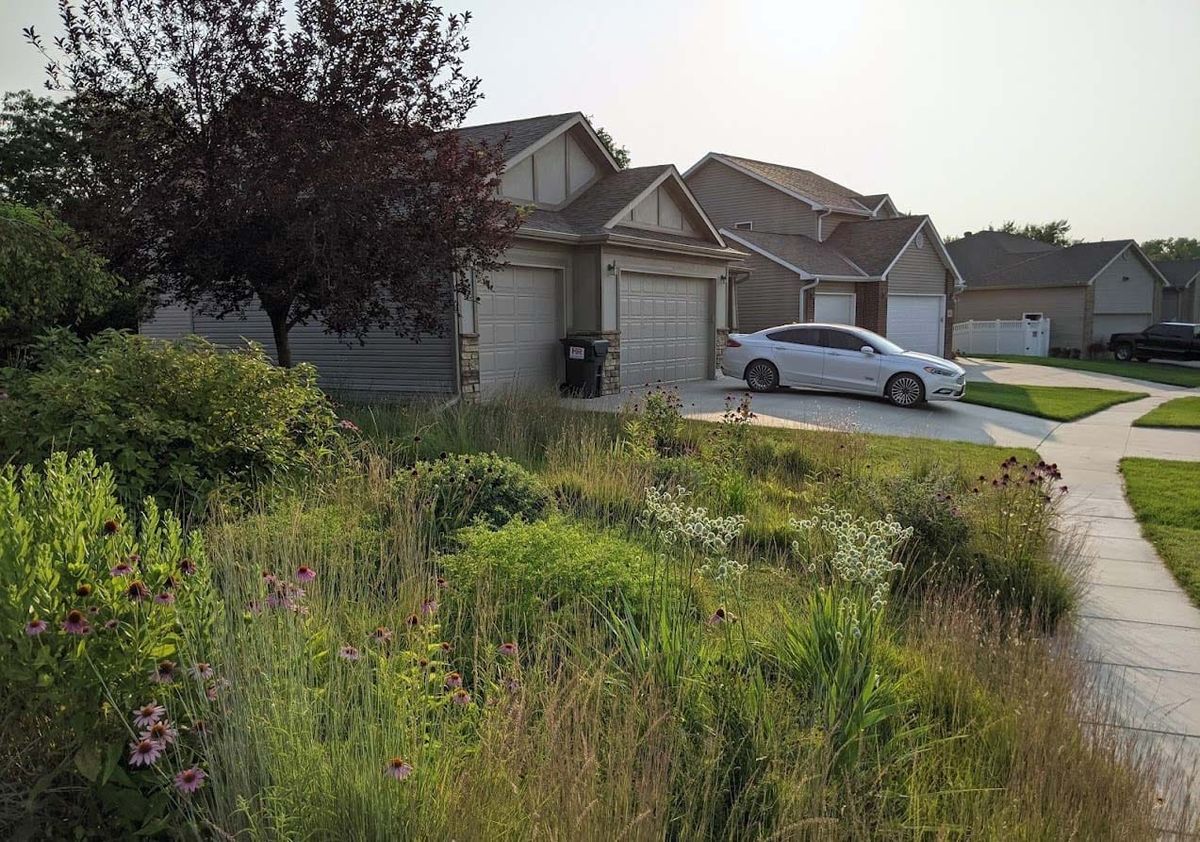
Q. I want to “leave the leaves,” but the maple leaves falling on my property have black spots that the internet suggests may be fungal. Should I be keeping them or sending them away?
The expert answer for this question comes from Lorraine Johnson, expert on rewilding, author of numerous books on habitat gardening with native plants (recently, A Garden for the Rusty-Patched Bumblebee) and advocate for reforming bylaws in support of rewilding.
“Tar spot is a common fungal disease of maples, recognizable by black, circular spots on the leaves. Rarely does it harm trees. The spores are windborne, and since in all likelihood there are other nearby trees with the disease, there’s really no point in removing the leaves. It’s not necessary. Even if the idea of removing the black-dotted leaves makes you feel better, it’s probably not going to help in terms of preventing tar spot. Instead use the leaves as mulch, make leaf mould, or compost the leaves – these are all practices that contribute to ecosystem health and resilience.”
Is there any other instance in which leaving the leaves will have the opposite of my intended goal of rewilding at home?
“Keeping leaves on garden beds is an excellent practice for all kinds of reasons – it protects the soil, plants and overwintering insects. There’s a small percentage of plants whose growth may be suppressed by a thick leaf layer, however. A good general guide is to learn about your plants’ natural habitat – for example, plants that naturally grow in forests or forest-edge habitats are fine with leaf mulch. Most prairie and meadow plants are also very tough and can handle leaf mulch, with some exceptions for a few of the more delicate, low-growing species. Check with Master Gardeners in your area or experiment on your own. You’ll be surprised by the life force that pushes plants sunward!”
Pete Ewins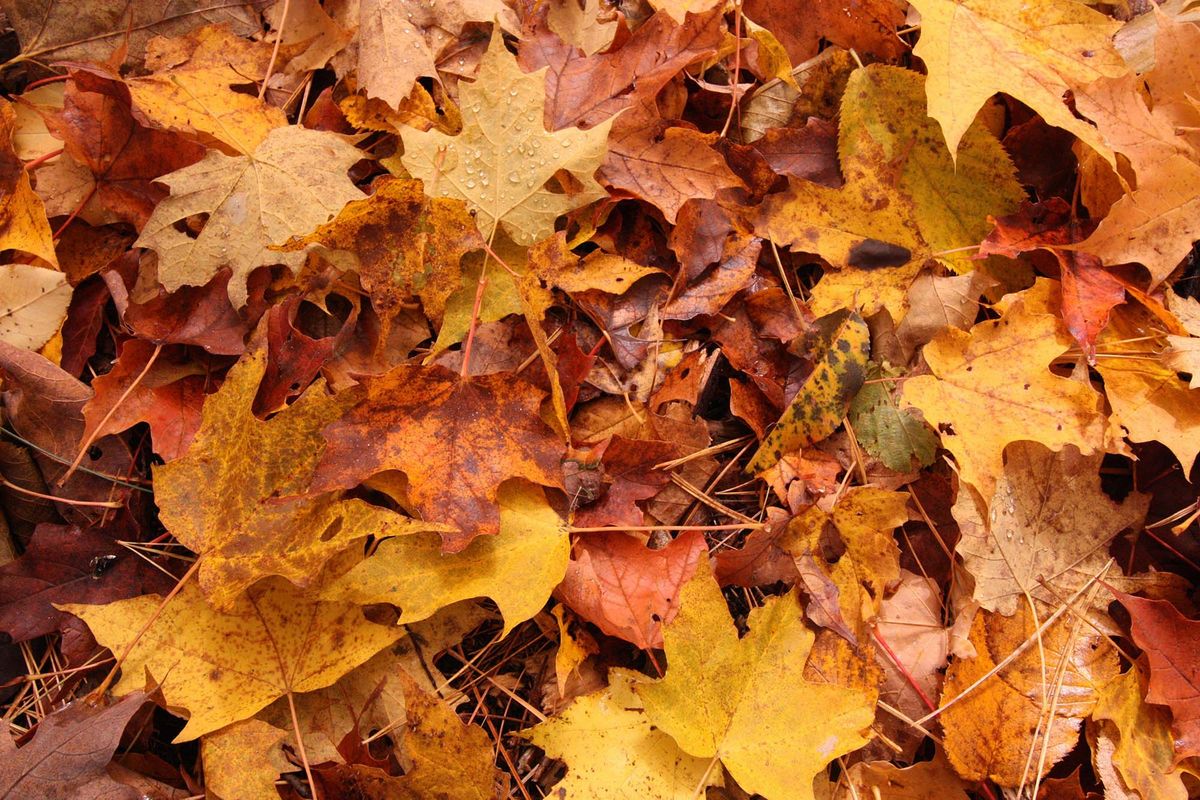
Q. I live in the North American West, where we’re encouraged to do “fire-smart” landscaping. But I’m so inspired by the habitat/brush piles many ecological landscapers are creating. Is this a bad idea here?
The expert answer for this question comes from Dani VonLehe, a landscape architect who leads the internal fire response working group at Terremoto, a landscape architecture firm in California.
“Don’t be afraid to experiment with making habitat and brush piles in the American West! Just keep them at a safe distance away from the house or other woody plants. You can also develop the practice of watering the piles during dry seasons to keep them moist. This creates the added benefit of speeding up decomposition, which will encourage ecologically beneficial fungal growth.”
Q. I interspersed grass and forbs in one garden area, and the grass is reseeding with a vengeance while the forbs are taking their time settling in. Should I be worried about competition and weeding the grass, or just let it go?
The expert answer for this question comes from Owen Wormser, a landscape architect, owner of Abound Design and author of Lawns Into Meadows: Growing a Regenerative Landscape.
“Managing plant communities is always situational. The route forward is also dependent on what the caretaker’s goals are. In this case, if the grasses are thriving and robust, then they could potentially shade out desirable forbs, slowing their establishment. In meadow settings, most forbs can handle this since they are usually adapted to growing in places with dense competition, like prairies. But if the goal is to encourage the forbs – especially in smaller settings like a meadow garden – it would be helpful to weed out or simply cut back some of the grasses, particularly those in close proximity to any forbs. Since taller plants typically dominate shorter plants, managing them gives smaller, establishing plants a leg up, helping them establish faster.”
Owen Wormser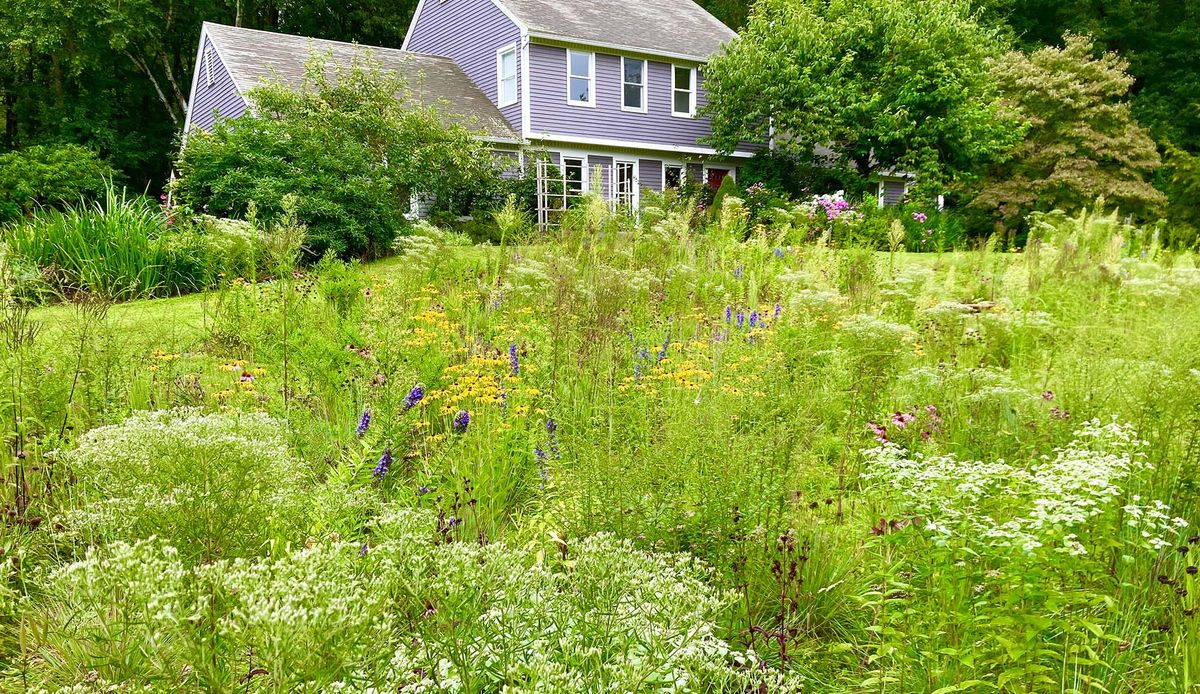
Q. How does “leave the leaves” work when you’re combining the leaves of Norway maples (in North America) with grassland plants that evolved alongside pines and smaller deciduous leaves? Should I be removing some or all of them from my meadow, or would it make sense to mow/mulch the whole thing in late fall?
The expert answer for this question comes from Rebecca McMackin, lead horticulturist for the American Horticultural Society and a program associate for the Harvard Divinity School’s Thinking with Plants & Fungi Initiative.
“As successful as the ‘leave the leaves’ campaign is, not every leaf should be left. Plantings, gardens and landscapes that have sun-adapted, lean soil–loving plants might not appreciate being smothered in leaves and can rot as a result. Normally, the plants that like leaves are adapted to leaf fall – think forest and forest edge plants. However, even in shade gardens, there are some leaves that should always be removed. The leaves of the Norway maple can be safely raked out and composted. In fact they should always be removed if you’re working in North America. Norway maple isn’t from here, and while there are a few regional insects who have figured out how to eat their foliage, they are very rare. The entire tree is allelopathic, meaning it releases chemicals that inhibit the growth of other plants. Norway maple leaves, with their milky sap, likely do this as well.”
Q. Recently, I’ve noticed a variety of different bugs showing up in my rewilded yard. Some of them I recognize and welcome (like milkweed bugs!). But how can I tell the difference between a “good” insect and one that shouldn’t be there? Are there any common invasive species to look out for? What is the best way to get rid of unwanted visitors while welcoming the good kind of bugs in my yard?
The expert answer for this question comes from Hughstin Grimshaw-Surette, project lead at Invasives Canada. He leads invasive plant and insect surveys, management programs and outreach activities.
Brian Lovett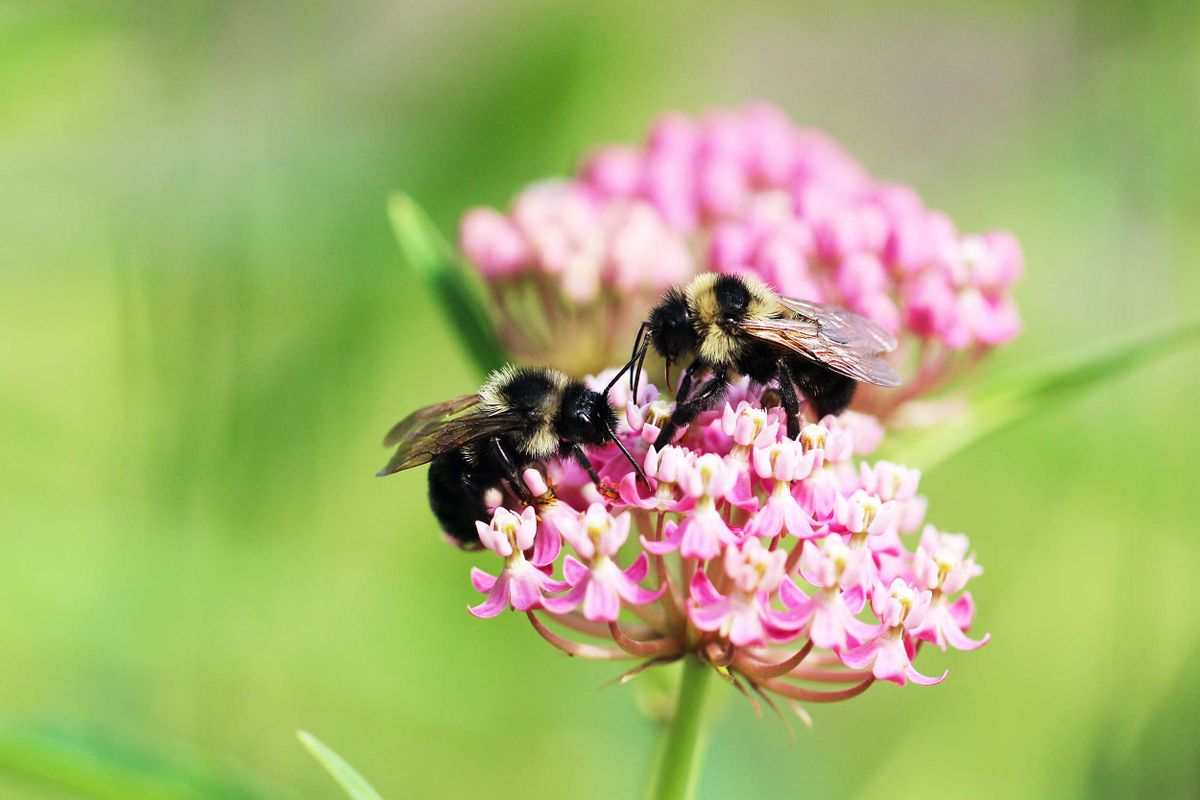
“Distinguishing the ‘good’ insects from invasive ones can be challenging. Unfortunately, there isn’t a consistent visual method to tell them apart. It can also differ by region, as invasive species in their native region [as opposed to in regions where they’re invasive] are usually not a problem due to natural predators. iNaturalist is a helpful tool for identifying these unknown visitors in your yard. It allows users to upload photos of insects they’ve seen and get help from other naturalists to verify the identification. It’s not just for insects, though. You can also upload observations of plants and other wildlife. If you do find an invasive species, the next step is to contact your local invasive species organization to report the sighting and learn about available resources. In Canada, Invasives Canada and its provincial chapters have great resources for learning more about invasive species.
“The Japanese beetle (Popillia japonica) is an invasive insect to watch out for and is becoming more common as it spreads across North America and Europe. It is identified by its metallic green colouration and bronze-coloured protective wings. This species feeds on over 300 plant species, consuming leaf tissue, flowers, buds and turf roots.
“To answer your last question, plant a diverse mix of plants native to your area. While this won’t eliminate unwanted pests, it will provide valuable resources to attract more native insect species, including beneficial ones. Supporting beneficial insects such as wasps can help reduce unwanted pests and support the local food web.”
Q. I’ve heard about “No-mow May” and “lazy lawns” and I’m wondering whether this is just a slogan or if it’s a good way to start rewilding?
The expert answer for this question comes from the late Sheila Colla, who was an associate professor in the Faculty of Environmental Studies at York University in Toronto. She coauthored The Bumblebees of North America: An Identification Guide and co-wrote the article “The surprising downside of #NoMowMay,” where you can get a more detailed answer to this question, but the gist of it is below.
“Conserving wild bees is hard work full of nuance. It requires unpacking messy systems and countering widespread misinformation. This complex work is hindered by simplistic messaging that perpetuates the notion that non-native weedy species are good for all bees. No. There are several hundred species of wild bees, each with its own ecological requirements and behaviours. They are beautiful and important creatures, worth understanding beyond oversimplified slogans.”
Kat Tancock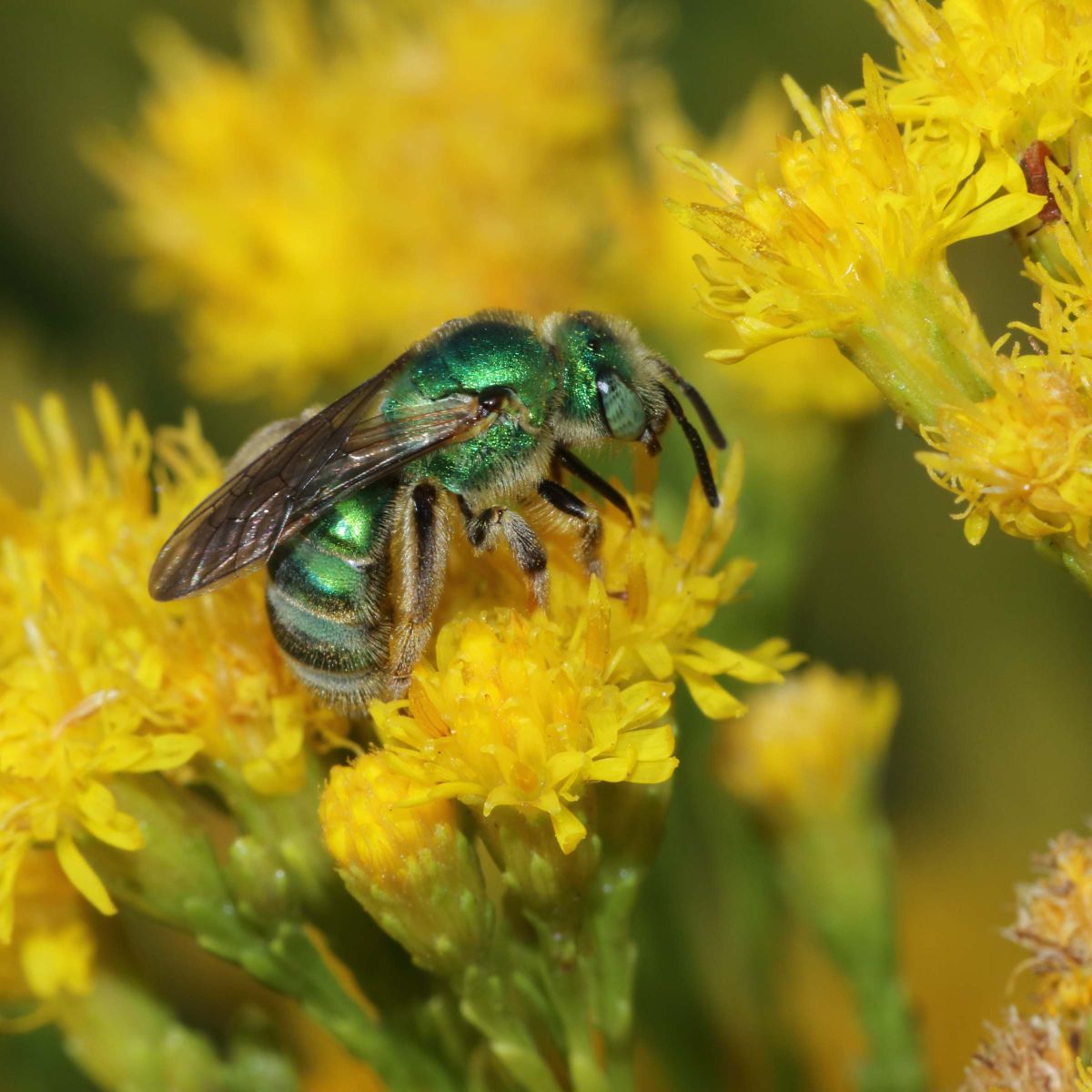
Still have questions? We’ll find the answer.
Rewilding your yard does not have to be perfect to be meaningful. Mistakes are part of the process. Every patch of habitat you create is a small win for pollinators, birds and the ecosystem around you.
If you have another question that wasn’t covered in this article, especially if you live outside North America, please let us know in the comments below. Also comment if you have further thoughts on any of the answers to these questions. Our goal is to make rewilding accessible to you – so if you have a question, we’ll find the answer.

Comments ()