

How rewilding could help stop the spread of Britain’s wildfires
These five key steps can help restore natural processes and functions to build ecosystems resilient to a changing climate.
This article by Joe Glentworth, Anna Gilchrist and Ian Thornhill of the University of Manchester was originally published by The Conversation and has been reproduced here with permission.
Fire is natural in some ecosystems, but almost all British “wildfires” are started by people. Whether they become catastrophic increasingly depends on the landscapes they burn through. That’s why wildfire policy can’t only focus on preventing ignitions – it must go hand in hand with rebuilding landscapes that resist fire.
Rewilding is often presented as a wildfire problem; when you stop grazing, cutting or burning, vegetation accumulates and there is more fuel for fires.
But this is not the full story. Carefully planned rewilding that focuses on restoring functioning ecosystems can make landscapes wetter, patchier and more fire resistant.
 Greg Noone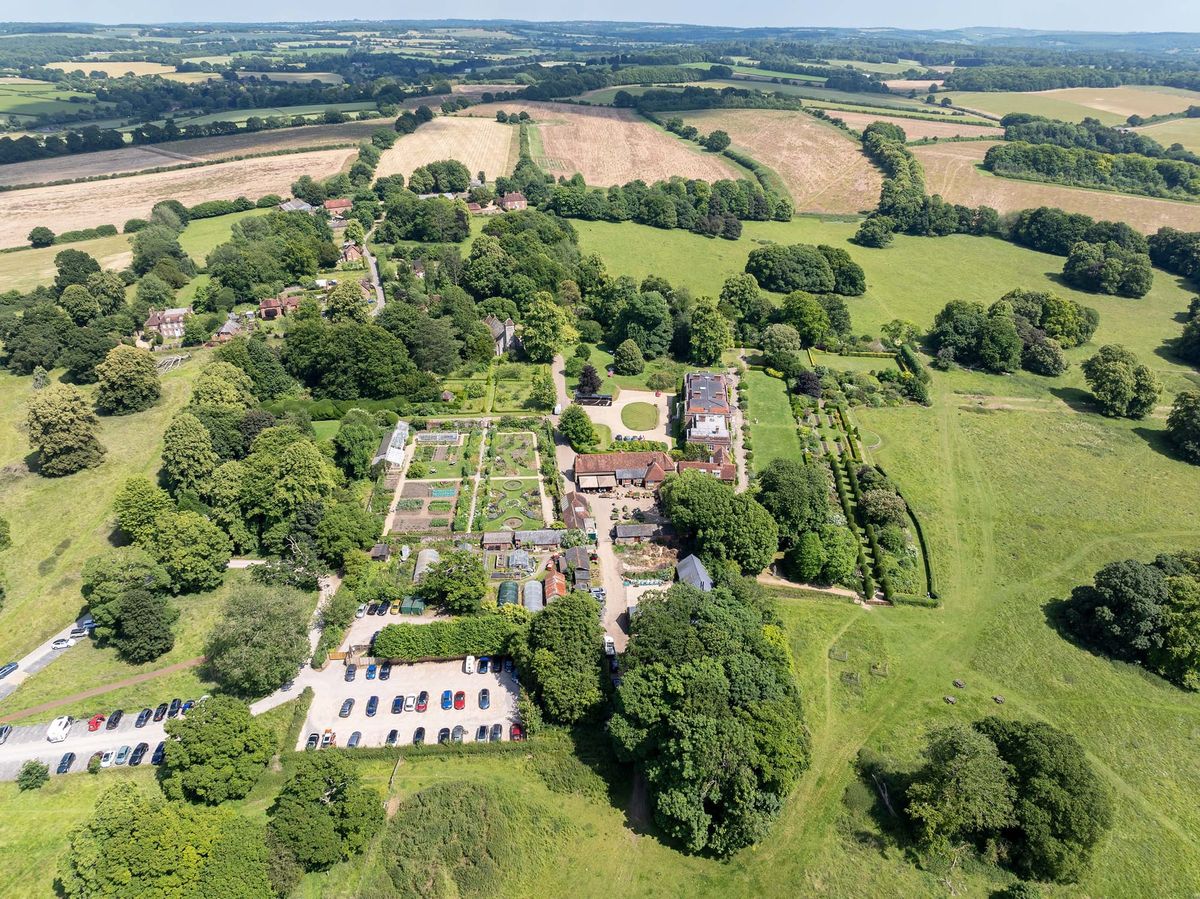
Fire-prone landscapes often look “natural”
The purple, treeless moors found across Britain’s uplands can look timeless and wild. In Jane Eyre, Charlotte Brontë described “the purple moors” as “a wilderness of heath.” Yet these moors have been shaped by clearance, drainage, grazing, pollution and burning.
Peat records from Keighley Moor in West Yorkshire, not far from Brontë country, reveal a longer story. For most of the past 1,000 years, this landscape would have been much wetter, with abundant peat-forming Sphagnum moss, rather than today’s extensive heather-dominated vegetation created through rotational burning.
Seeing today’s moors as timeless and natural obscures how changes made relatively recently – the past 150 years or so – have made the uplands increasingly fire prone. Data shows that nearly 80 percent of England’s peatlands are dry and degraded, while just 1 percent are dominated by water-retaining species such as Sphagnum mosses. Dry heather, for instance, can act as a fuse, carrying fire across the surface and, if peat soils are exceptionally dry, into the carbon-rich peat below.
How to rebuild nature’s fire defences
Rewilding is not land abandonment; it requires carefully considered action to restore natural processes and functions. We must learn from the complex habitat mosaics that once characterized Britain’s uplands, while preparing them for a climate with no historical equivalent.
The task is to manage short-term transition risks while allowing ecosystems to reorganize into functional, climate-resilient states. Here are a few suggestions:
1. Bring back the bog
This starts by making fire-prone landscapes much wetter. Blocking drains, covering bare peat and restoring Sphagnum keeps water in the ground and reduces deep peat combustion. After a wildfire in Scotland in 2019, analysis showed degraded peat burned most severely, while vegetation in restored, wetter peatlands was far more resilient.
Research across Canada and northern Europe shows that rewetting and moss restoration can reduce the risk of deep, carbon-rich peat catching fire. But, choosing the right species for the right places under future climates is critical, and we’ll have to accept that fire-resilient uplands may look very different from those we know today.
 Gareth Clark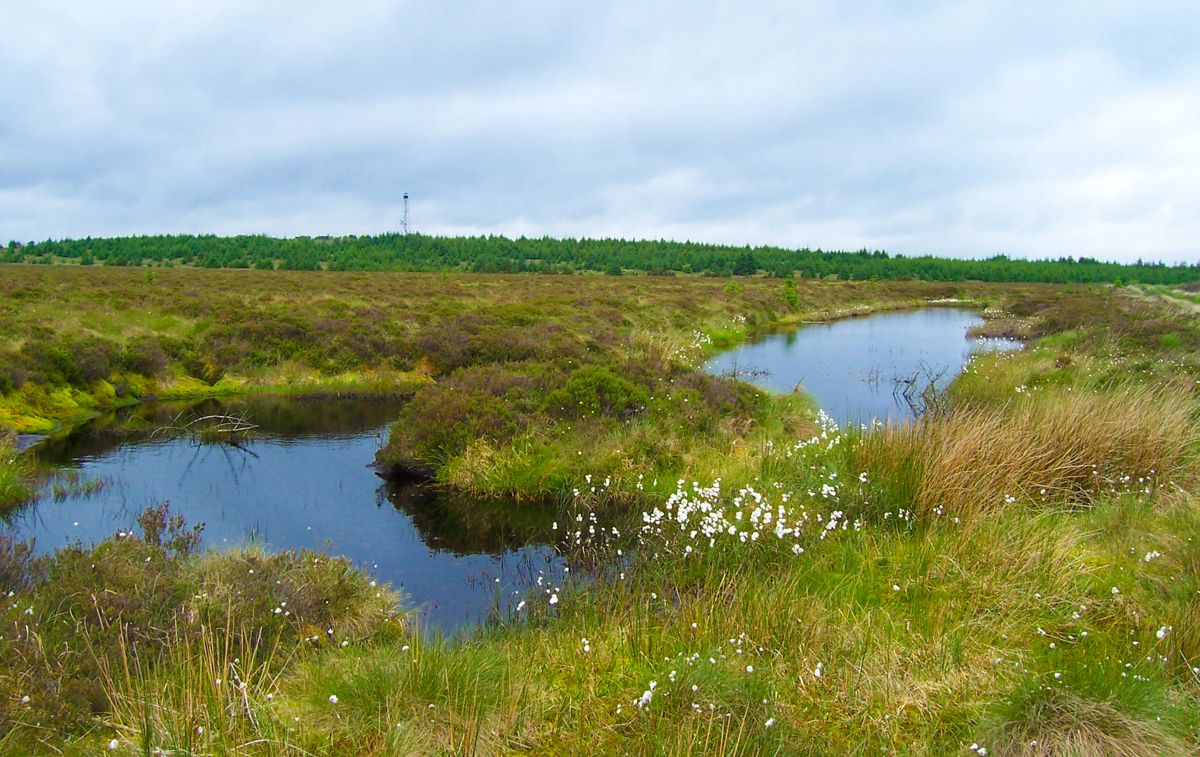
2. Restore wet riverscapes and ponds
Upland headwaters and valleys have been drained and straightened, speeding water out of these landscapes. Emerging science suggests that re-meandering streams, reconnecting floodplains and recovering wetlands can act as firebreaks. During dry weather, wetter and more varied river corridors could interrupt continuous fuels and provide refuges for wildlife.
In the North York Moors, six beaver dams increased water storage and dry-weather flows. Beaver-dammed rivers also burned less severely during three North American megafires. Ponds could also add another layer of defence, as open water can reduce the spread of fires , while accessible ponds provide water for wetting firebreaks and suppressing spot fires.
 Christine E. Hatch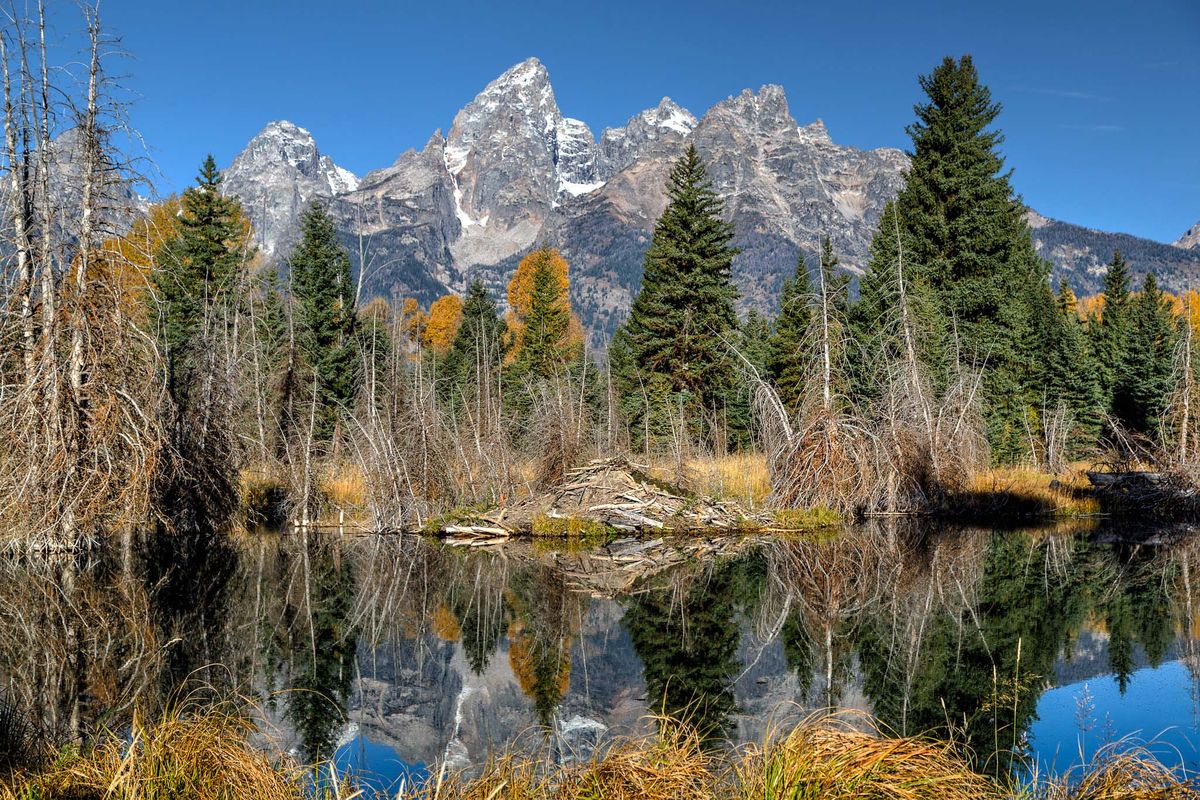
3. Bring back missing giants
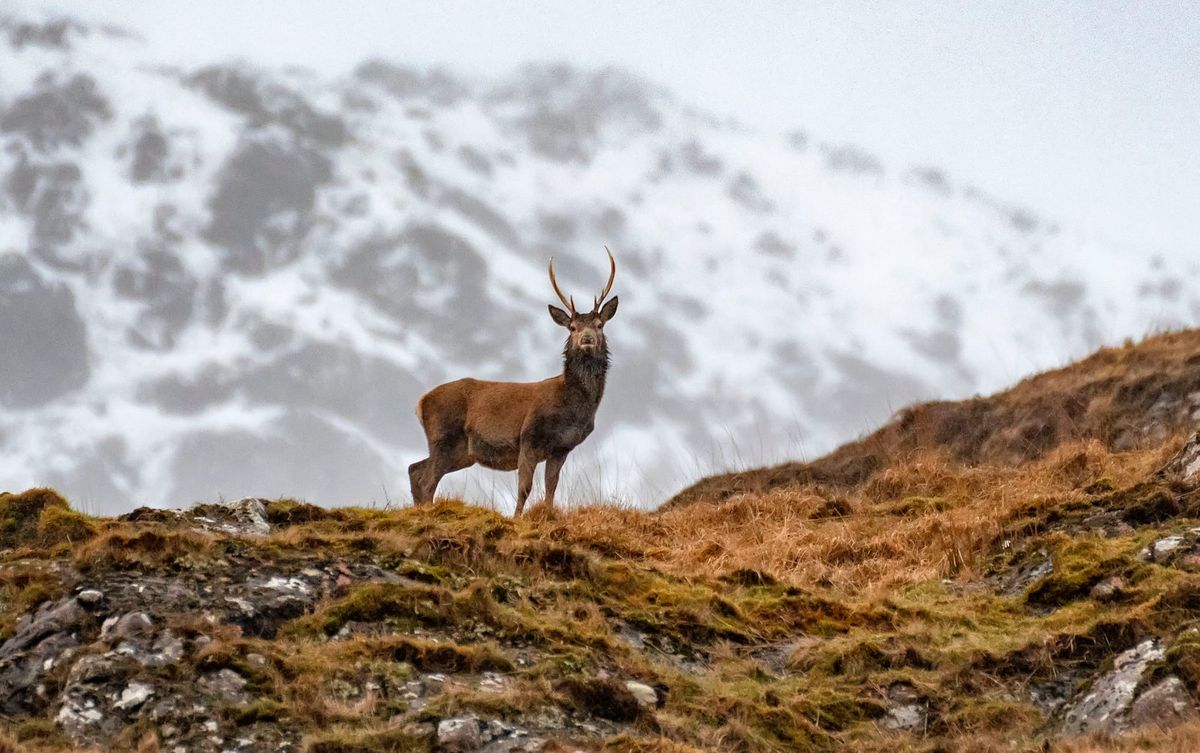
Cattle, horses, deer and bison create patchier vegetation by grazing, browsing and trampling in different ways. Instead of continuous areas of flammable vegetation, they produce a landscape with natural breaks that slow the spread of fire.
But the diverse communities of large herbivores that once shaped Britain’s uplands have been replaced by managed livestock – mostly sheep – often at high densities. This creates even-aged vegetation that can become dense and fire-prone when the animals aren’t grazing.
In Portugal’s Côa Valley, semi-wild horse grazing has become a rewilding strategy to counter the impacts of land abandonment. This is consistent with a wider systematic review which found that herbivores reduce fuel effectively when grazers and browsers complement one another.
 Zack Metcalfe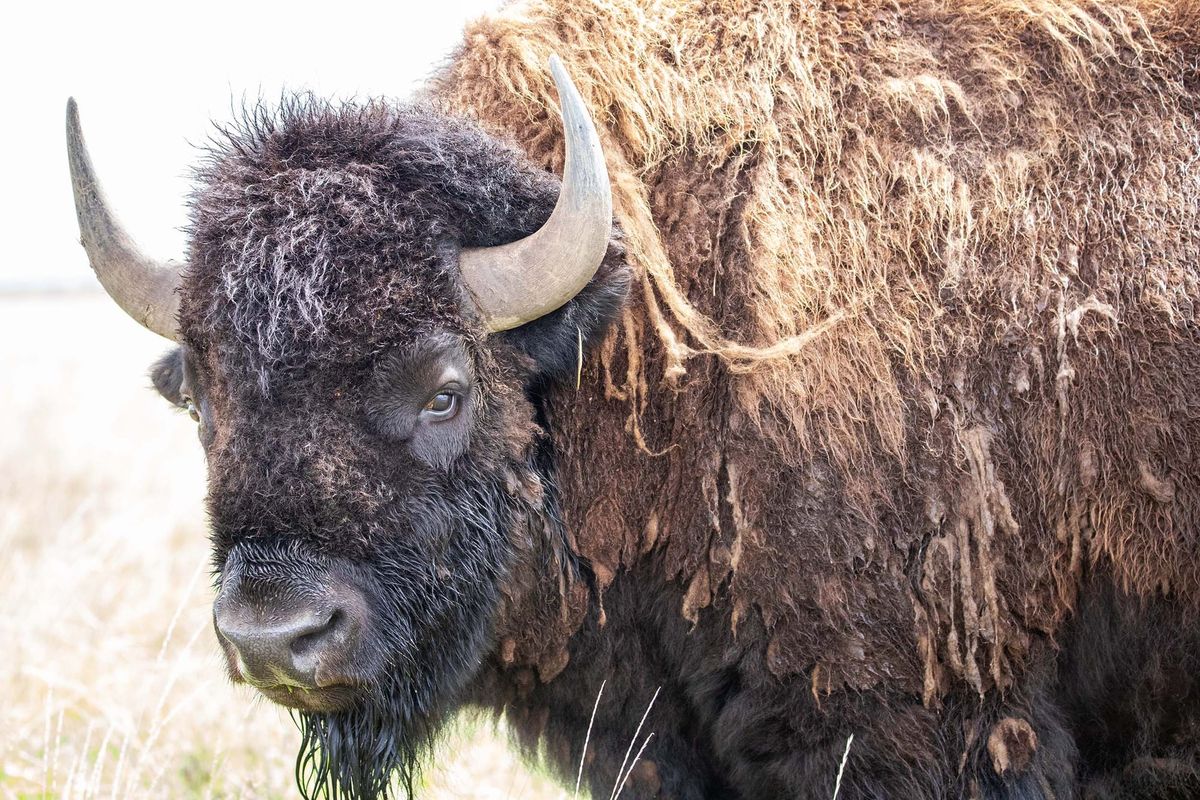
4. Recover broadleaf woodland
Evidence from more than 26,000 wildfires in Spain shows broadleaf woodland had the lowest ignition risk, while pine and shrublands were among the most fire-prone habitats. Even under extreme fire weather modelling, broadleaf woodland reduced fire intensity fivefold.
Yet Britain has lost the vast majority of its native woodlands. Today, only 14 percent of the UK is wooded, and about half of that is coniferous woodland – mostly in managed plantations.
The ecologist Oliver Rackham wrote that “English native woods burn like wet asbestos” – that is, hardly at all. It’s time these woods were restored to the parts of the British uplands they once covered.
 Georgie Power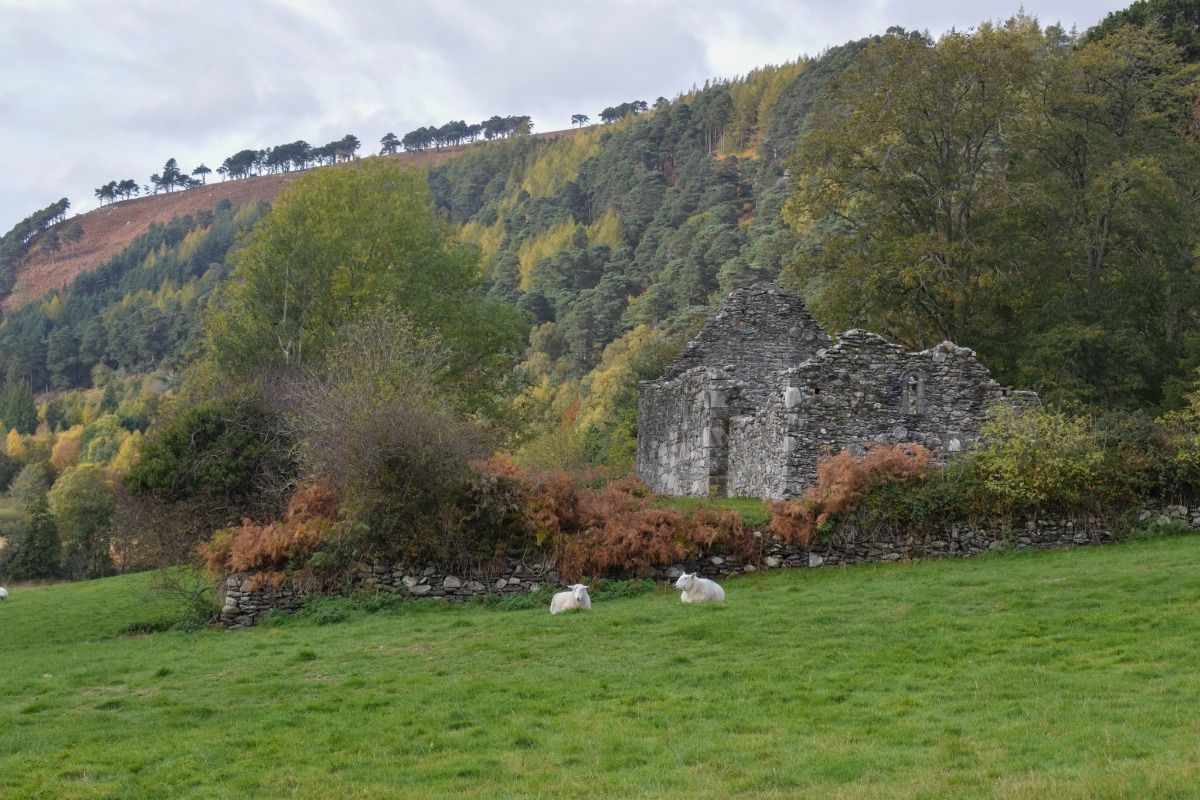
5. Rewild with people
Our research shows rewilding must include support from communities learning to coexist with more unpredictable landscapes. In the short term, prevention, intensified monitoring, early detection and professional response must manage the risks of transition. Better warnings, rapid reporting and early detection can make visitors and residents part of the defence.
Britain won’t prevent every wildfire, but it can do something about the sorts of landscapes those fires burn through. Climate-smart rewilding should be treated as national resilience infrastructure: restoring bogs, rivers, woodlands and wild animals, so fires are less likely to become landscape-scale disasters.


Comments ()