

The English estate rewilding a river – and more
At Hinton Ampner, the National Trust is prioritizing biodiversity, resilience and regenerative farming.
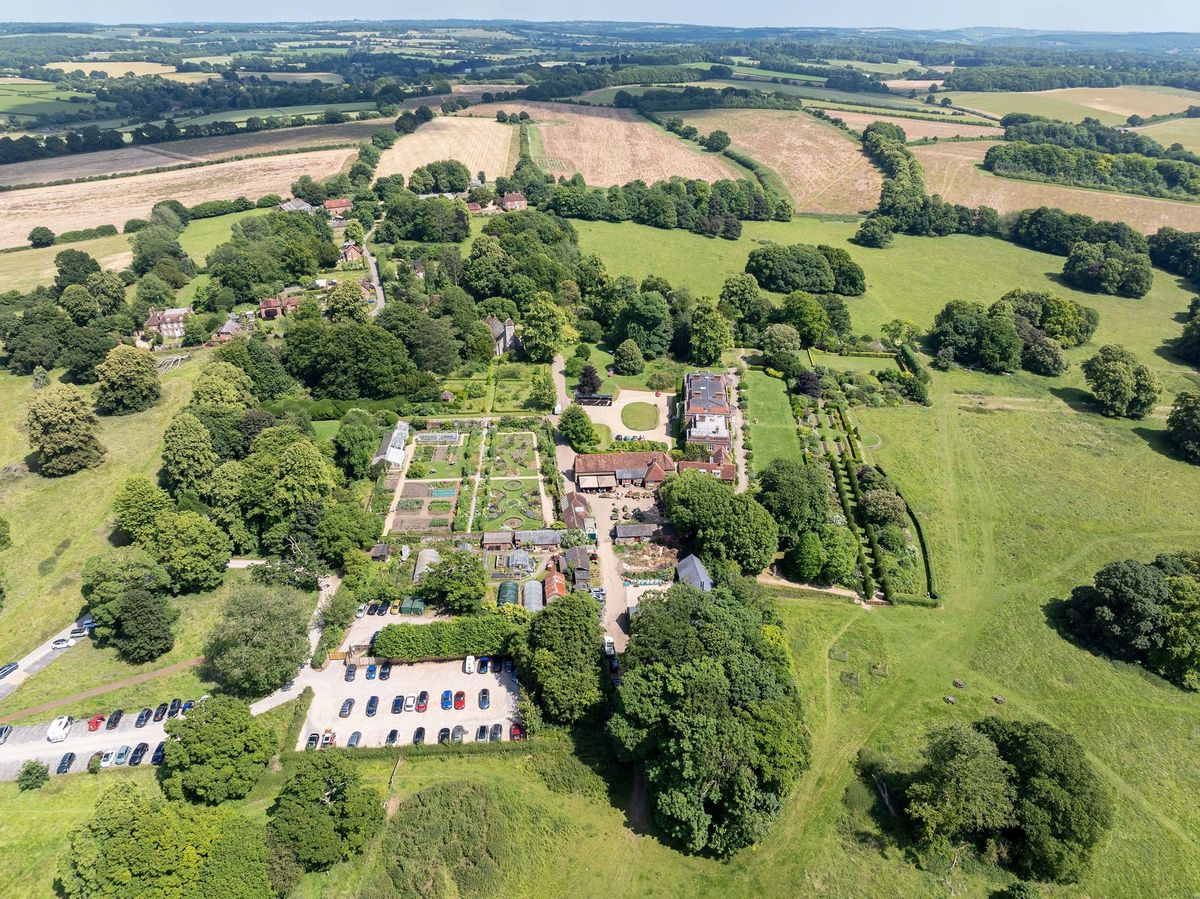
I can tell Lee Hullin loves Hinton Ampner. Every so often on this bright sunny day in April, after we clamber out of his 4x4 to admire yet another aspect of this 1,650-acre estate in Hampshire, southern England, he marvels at a herd of Sussex rare-breed cattle materializing through the trees, at the trill of a skylark, and at the soft burble of an icy chalk stream. “You could watch that water all day, couldn’t you?”
This wonder is also pride in the intense work taking place to restore nature at Hinton Ampner. Run by the UK’s premier conservation charity, the National Trust, and centred on a heavily remodelled 18th-century mansion and gardens, the wider estate encompasses forest, farmland and the source of the River Itchen, which eventually winds its way through the cathedral city of Winchester. It’s also the site of a grand experiment in rewilding and regenerative farming – one that Hullin, Hinton Ampner’s countryside manager, and his colleague, ecologist Sophie Bradfield, hope will restore levels of biodiversity unseen on the estate since before the Second World War and offer learnings in land management to inspire farmers across England.
 Sophie Knaus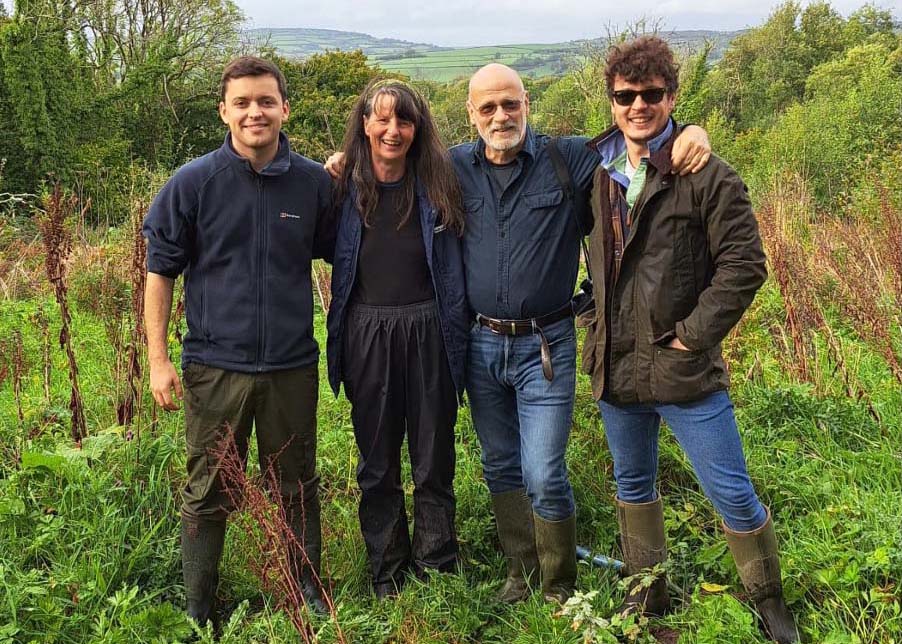
“You’ve come at a time, actually, when the estate’s going through a lot of change,” says Hullin as we stand peering into the River Itchen’s source pond. “Underpinning all of that is, dare I say, a lot of intervention, with a view to stepping back, with a view to nature recovery, with a view to more climate resilience.”
The Itchen has been a major focus. One of Hampshire’s many chalk streams (which, themselves, are largely unique to the county), it bubbles up in small pools from an aquifer underneath Hinton Ampner. The river here should be supporting complex ecosystems of salmonids, water voles, moorhens, otters and dragonflies, all thriving above and below its clear-flowing waters. Instead, decades of intensive land management have seen the Itchen canalized close to its source, leading to flooding farther downstream and a hostile environment for most fish, mammals and invertebrates.
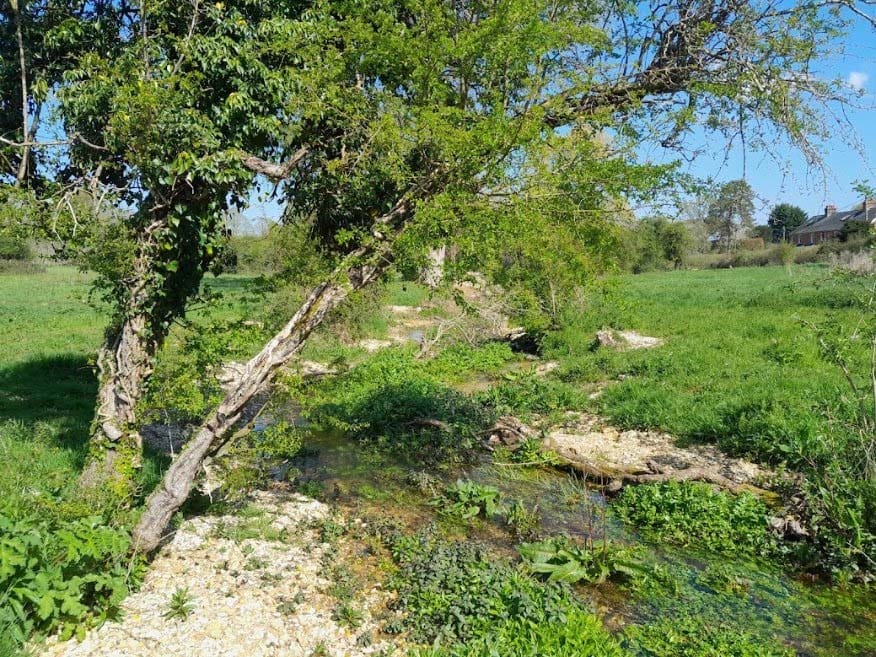
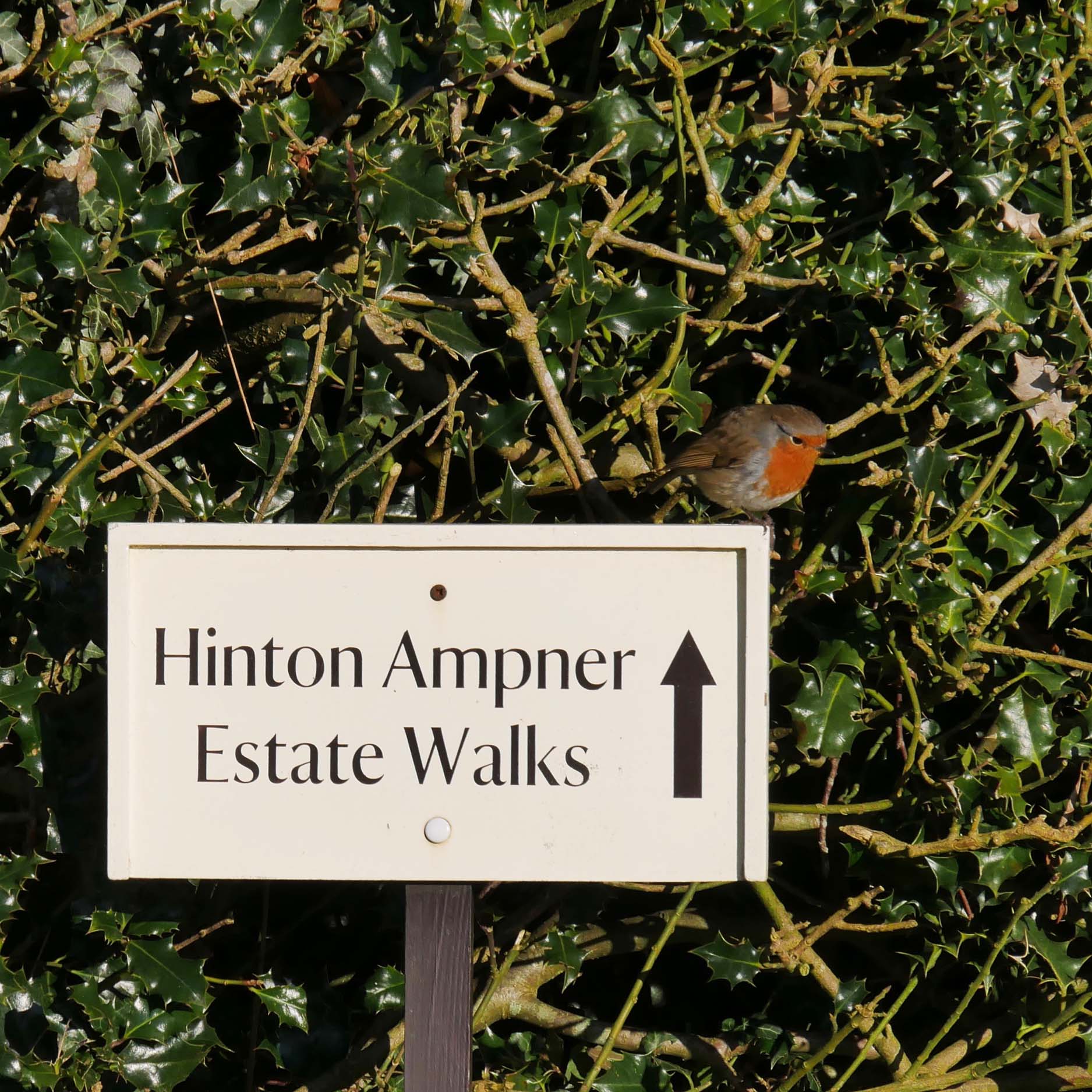
Left: A view of the River Itchen at Hinton Ampner. Photo: Lee Hullin. Right: A robin perched on a sign in the Hinton Ampner gardens. Photo: Alison Marsh/National Trust.
Now, change is afoot. In collaboration with the Wessex Rivers Trust and Wild Trout Trust, the gravel banks of the emergent river have been bunded with fallen tree branches to allow the Itchen to meander, quickening its flow and affording native plant species like water crowfoot and flag iris the chance to take root and shelter new fish and insect communities. (In time, Hullin and Bradfield hope brown trout and water voles may reappear, too.) In the coming months the team will also rip out old pipework designed to divert water away from cropfields so that during high rainfall events in autumn and winter – increasingly common thanks to climate change – the surrounding land can hold the water like a great green sponge, the better to prevent it from flooding homes and roads downstream.
 Jake Bittle, Grist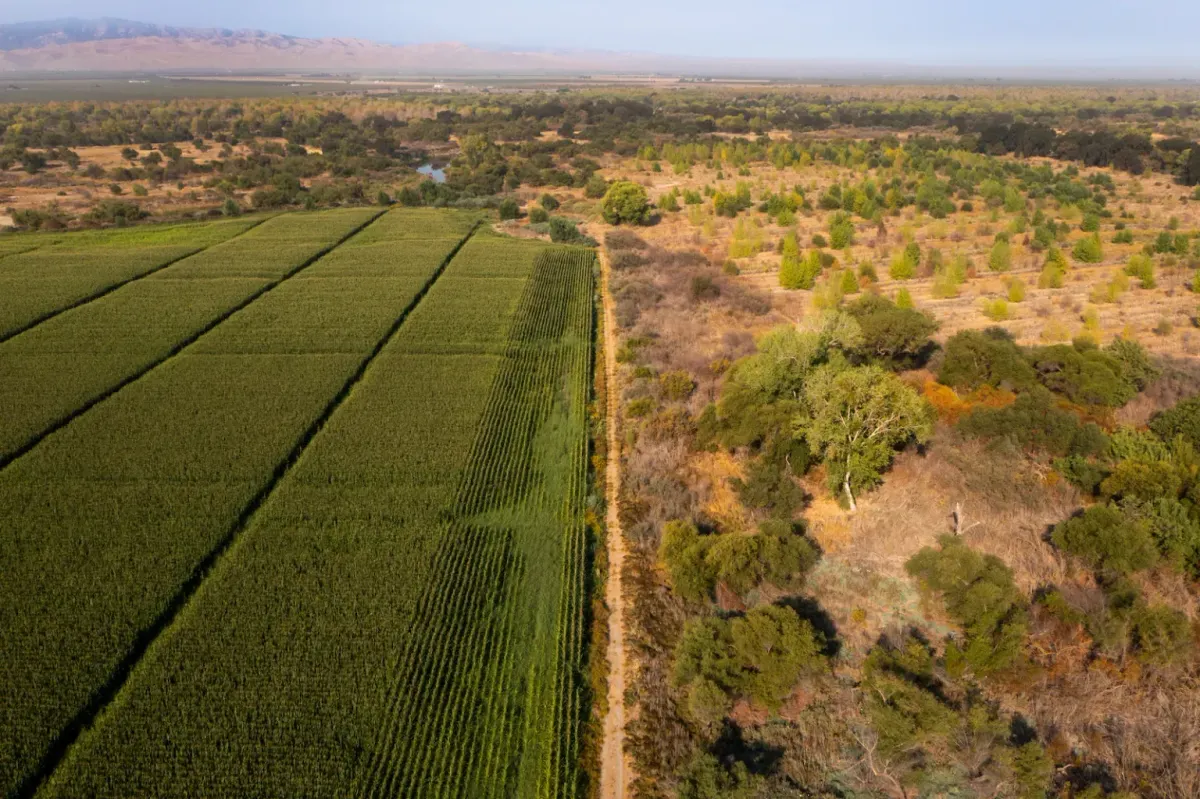
New life is also emerging at the edge of Hinton Ampner’s copses. A tree planting campaign is slowly building a ring of forest that, Bradfield hopes, will create a wildlife corridor for the raptors, passerines, hares and rabbits already resident on the estate. The National Trust has reserved 148 acres (60 hectares) of land at Hinton Ampner to establish 100,000 trees across the estate by 2030, half to be planted and the rest to appear through natural regeneration. Of these, 20,000 went in in 2025; we visit one field where hundreds of trees – including hazel, oak, hornbeam, blackthorn and wild plum – were planted last winter by members of the local community, many of whom were content to work in ordinary shoes when the grassland had turned into a rain-soaked quagmire. (Wellington boots were provided by the Trust, Bradfield assures me.) Elsewhere on the estate, in a spot previously known for hosting old grain dryers, Hullin and his team have let natural tree growth take its course amid scrub banks, with blackthorn, hazel and willow whips slowly growing to maturity and only occasionally wrapped with guards to protect them from hungry hares and deer.
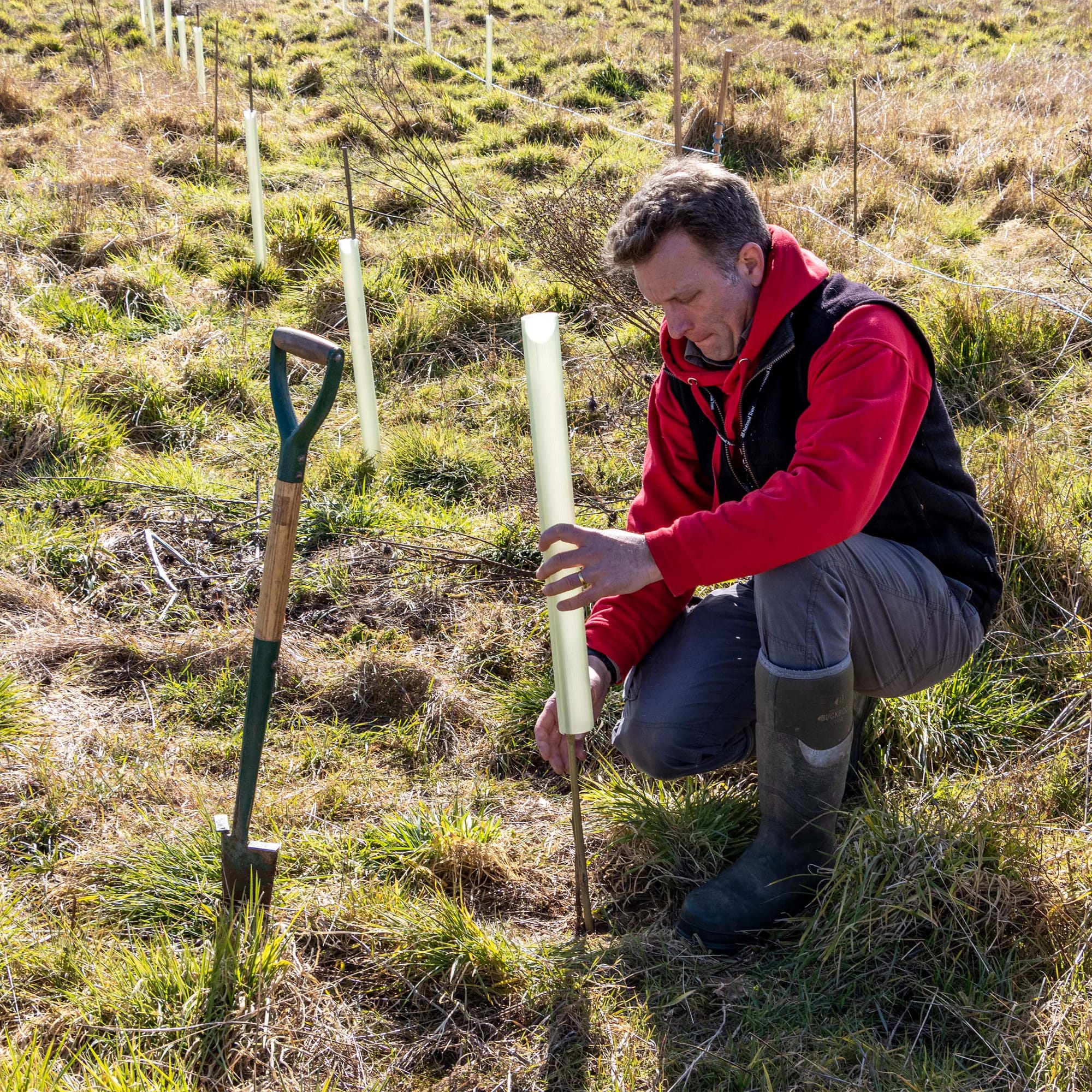
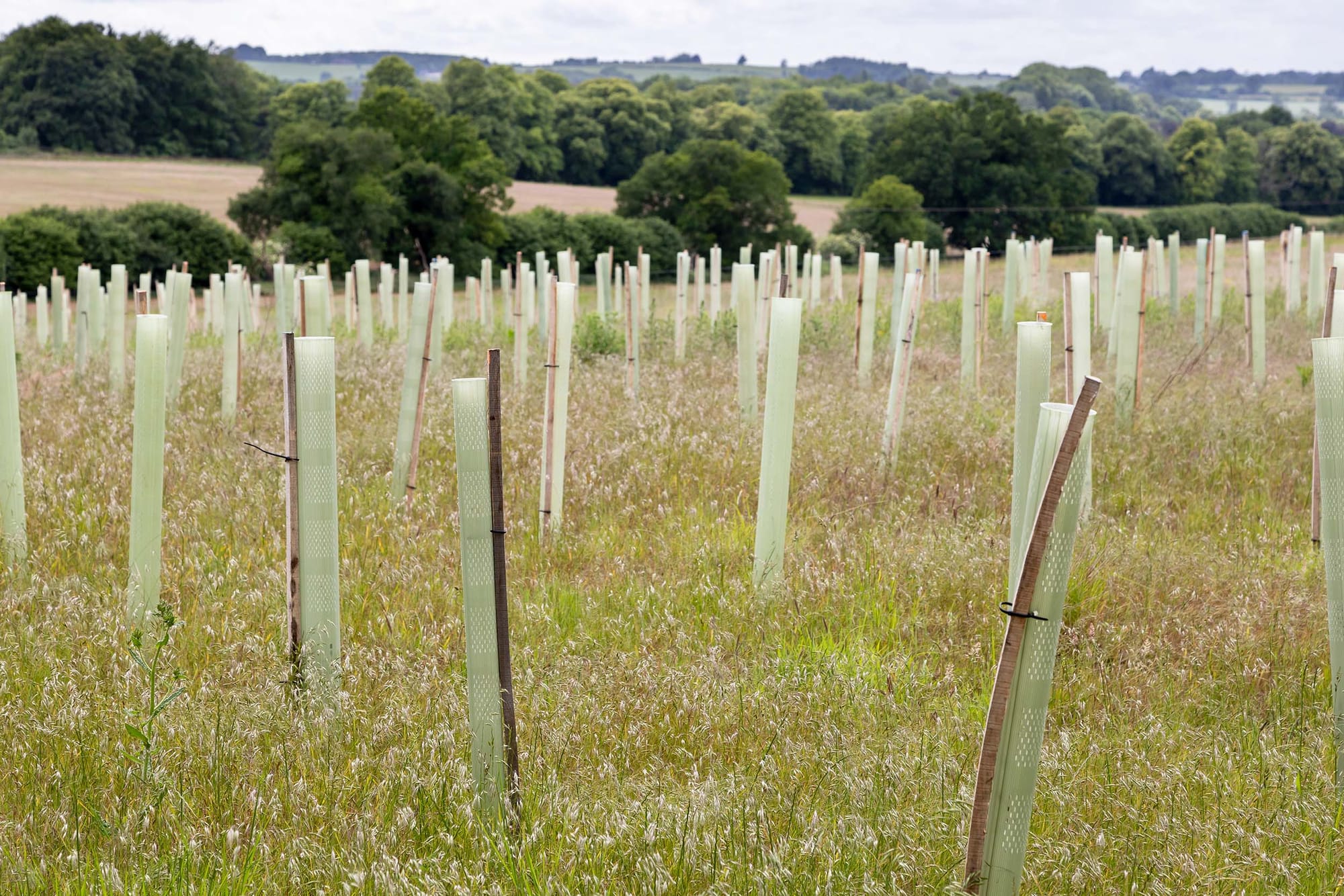
Left: Tree planting at Hinton Ampner. Photo: Hugh Mothersole/National Trust. Right: Newly planted trees at Hinton Ampner. Photo: John Miller/National Trust.
Inevitably, restoration-focused priorities have meant ending cereal cultivation in other fields. While the National Trust is adamant that the centuries-old tradition of farming on the estate should continue, explains Hullin, the organization also believes that this should only proceed in as sympathetic a way as possible with its country-wide sustainability goals. That means regenerative farming techniques now predominate at Hinton Ampner. In partnership with a local landowner, oats and barley are now grown on the estate’s fields, but liquid fertilizers have been dispensed with in favour of biannually replenishing the soil’s nitrogen with herbal leys – sown pastures of herbs, grasses and legumes – which, in turn, are munched by a stately herd of Sussex rare-breed cattle. In some ways, says Hullin, Hinton Ampner is turning the clock back “to the ways that, certainly, my grandfather would recognize.”
Jennifer Cole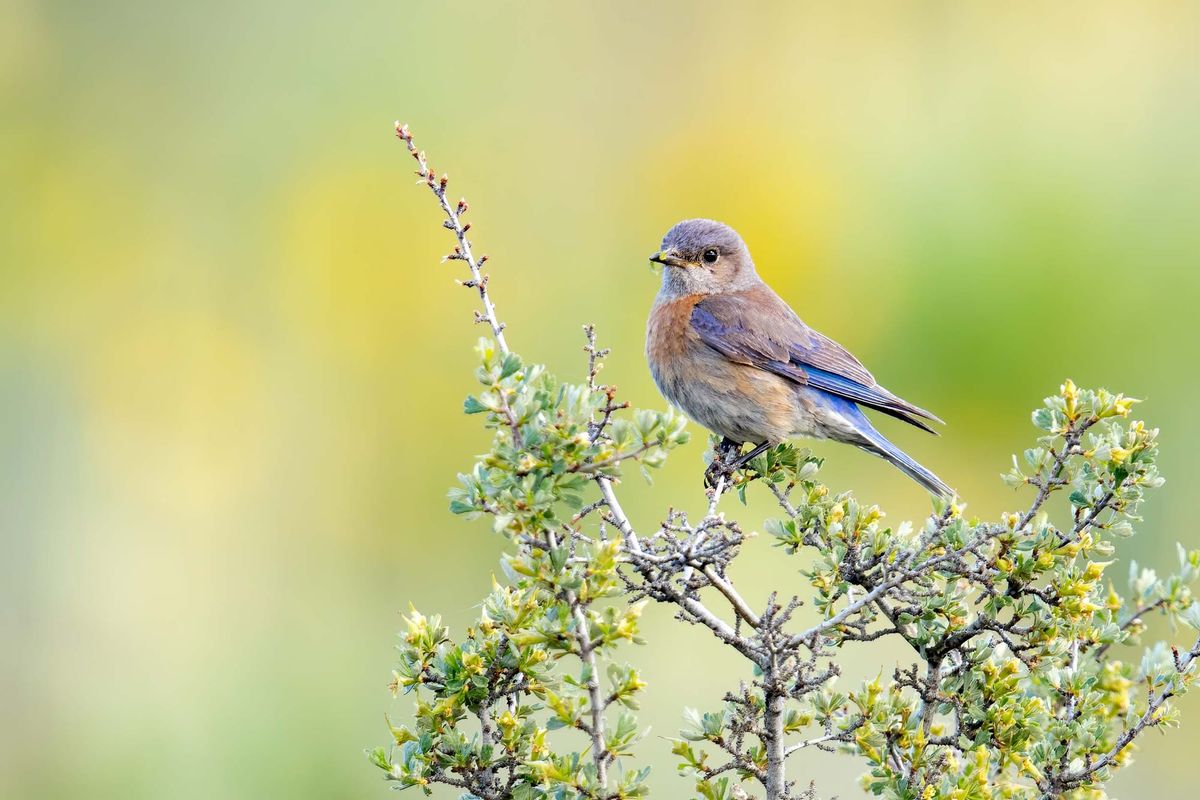
Not everyone agrees with this approach. Critics have rounded on the National Trust repeatedly in recent years for prioritizing rewilding over preserving the livelihoods of its many farmers, with some tenancies reclaimed by the organization and several of its farming advisors made redundant. Hinton Ampner’s own former tenant farmer even joined in with a letter to the London Times in 2024, obliquely criticizing the charity for lowering that year’s harvest.
Hinton Ampner’s approach, counters Hullin, involves “very much working with farmers” about how best to preserve the estate’s working history alongside its broader sustainability goals. Even so, he adds, “we – the National Trust – are not a farmer,” an allusion to the fact that, like so many of its critics, it is the landowner, and therefore has the right to conduct itself accordingly on its own land.
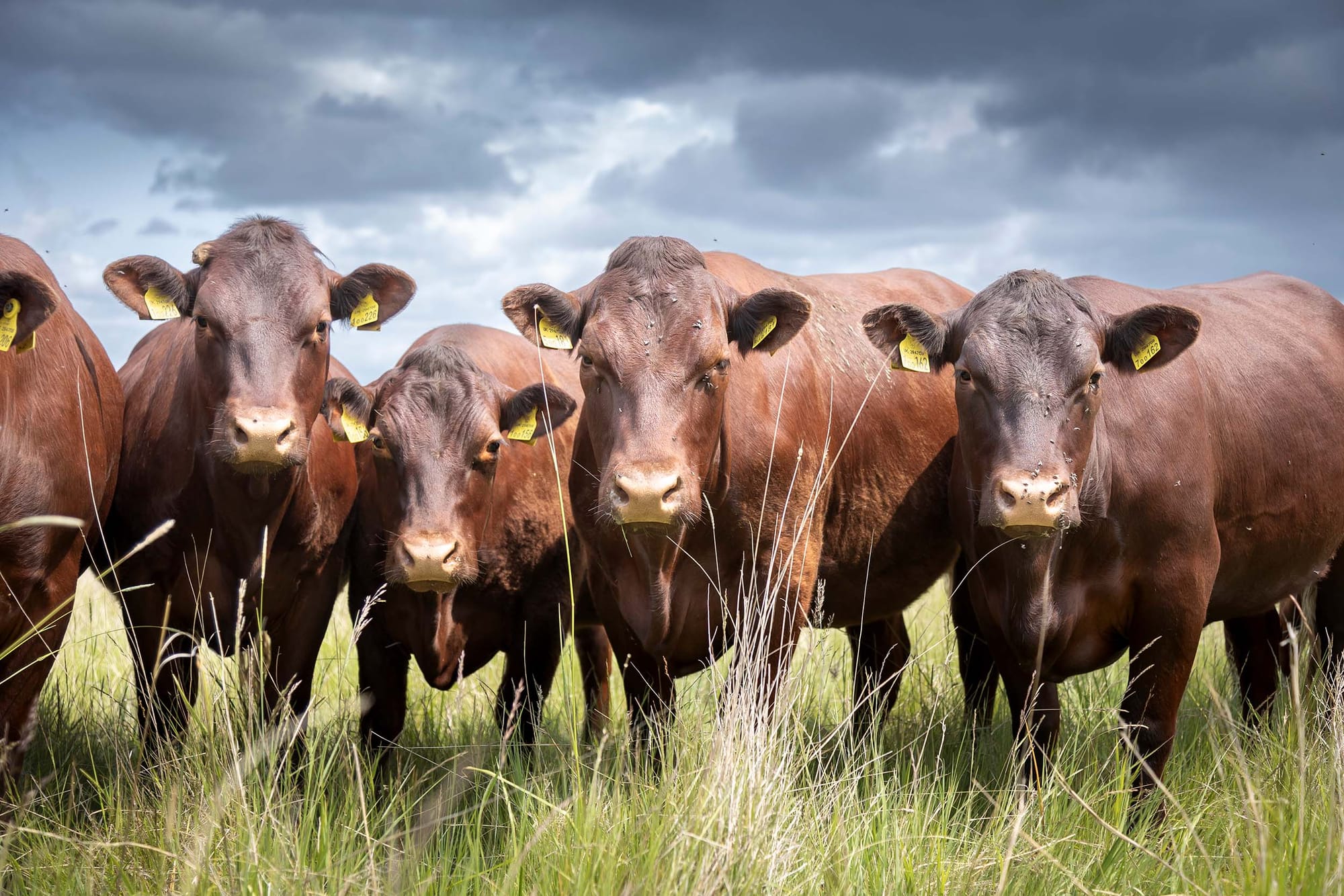
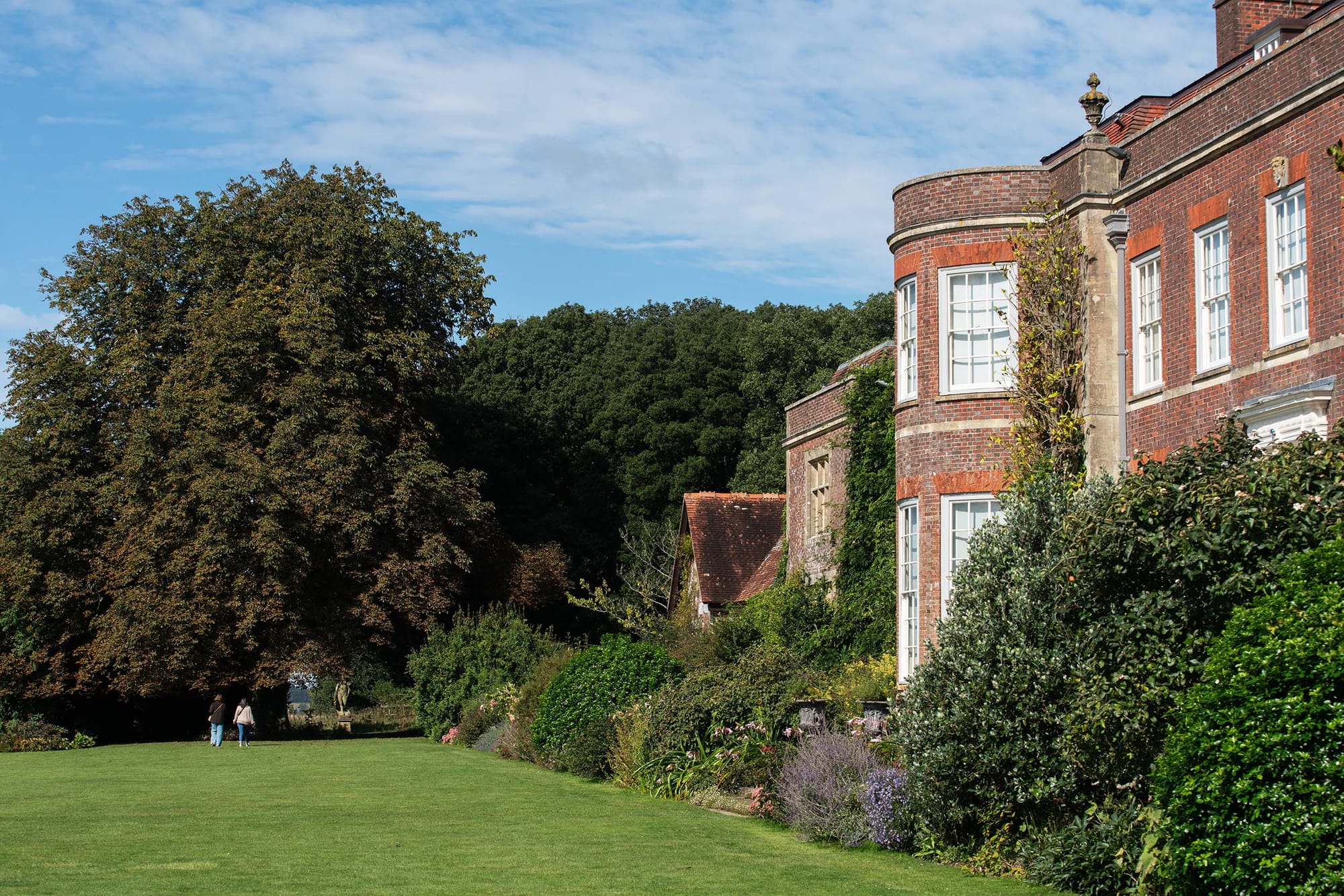
Left: A native-breed Sussex cattle herd at Hinton Ampner. Photo: John Miller/National Trust. Right: Autumn in the garden at Hinton Ampner. Photo: Sophie Bolesworth/National Trust.
It is difficult to imagine these same regenerative techniques being adopted wholesale by Britain’s increasingly mechanized, increasingly monocultural farms, though Bradfield hopes that Hinton Ampner will, slowly, demonstrate “what can be done for nature in a farmed landscape.” Above all, though, the work on the estate is about making the land the best it can be for nature and, by extension, the many thousands of people who make the trip to Hinton Ampner every year.
During our inspection of the tree planting area we meet two of these visitors, lost after exploring the nearby forest for bluebells. Hullin gently guides the middle-aged couple toward the main path that will lead them back to the house, before asking them whether they’d had a nice visit. “We have,” says the wife. “It’s beautiful!”



Comments ()