

The sculptor digging up the politics of lawns
Through her work, multidisciplinary artist Carrie Allison interrogates the value placed on that perfect patch of grass.
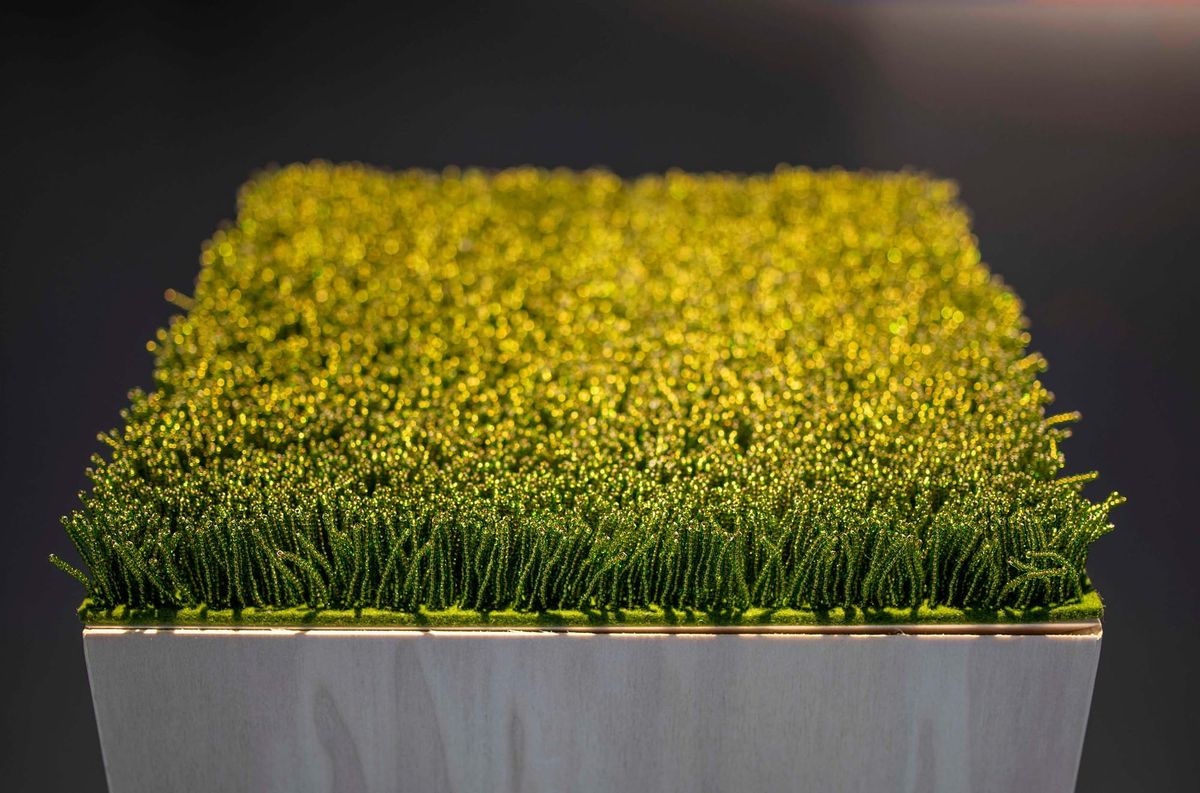

If you’ve rewilded any type of property, you probably put a lot of thought into the process – which plants to take out, which plants to add in. You’ve thought about the ecosystem you’re helping to restore and the fauna you might attract by doing so.
But did you also think about the colonial history you were upending simply by tearing out a lawn?
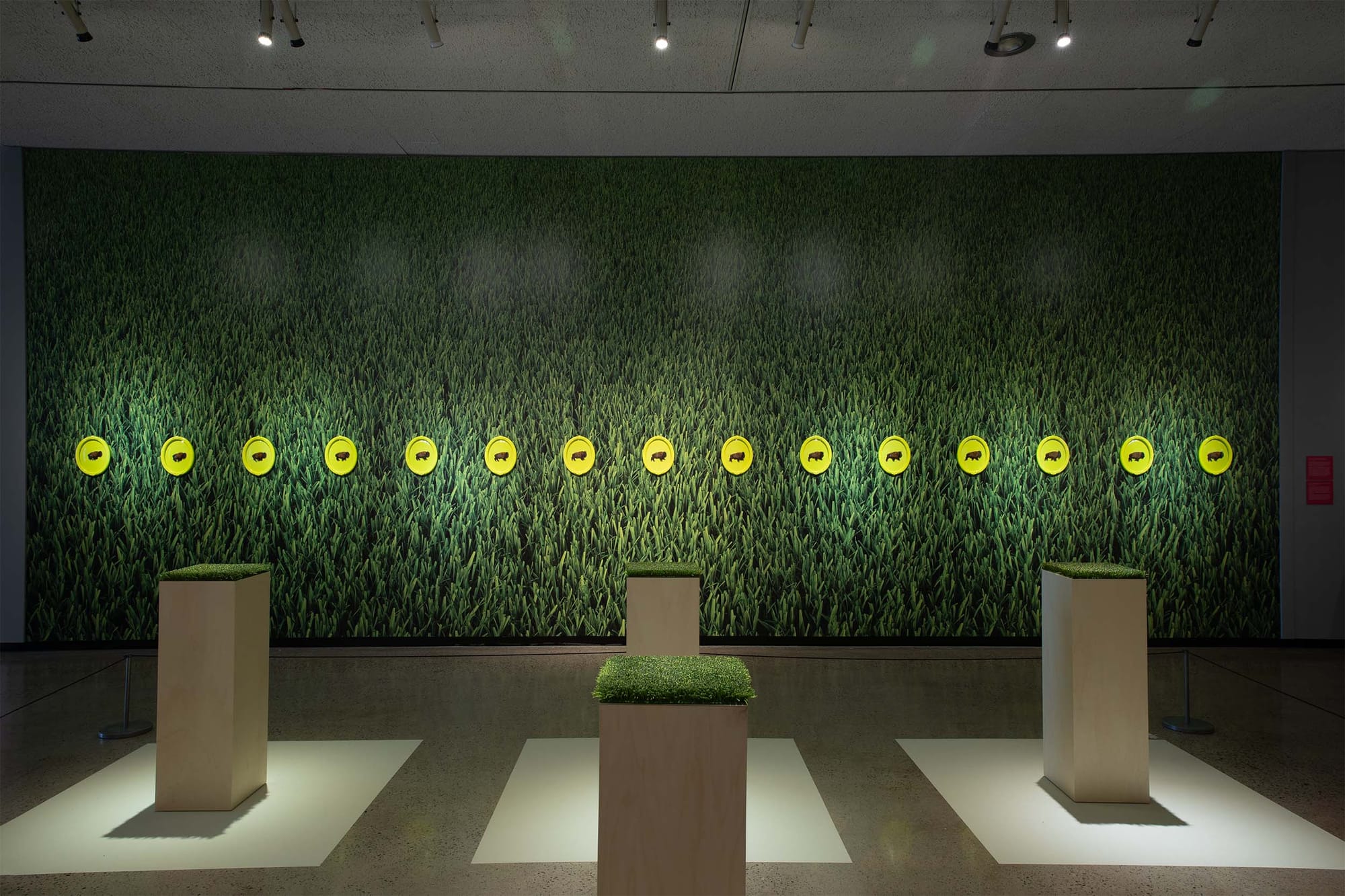
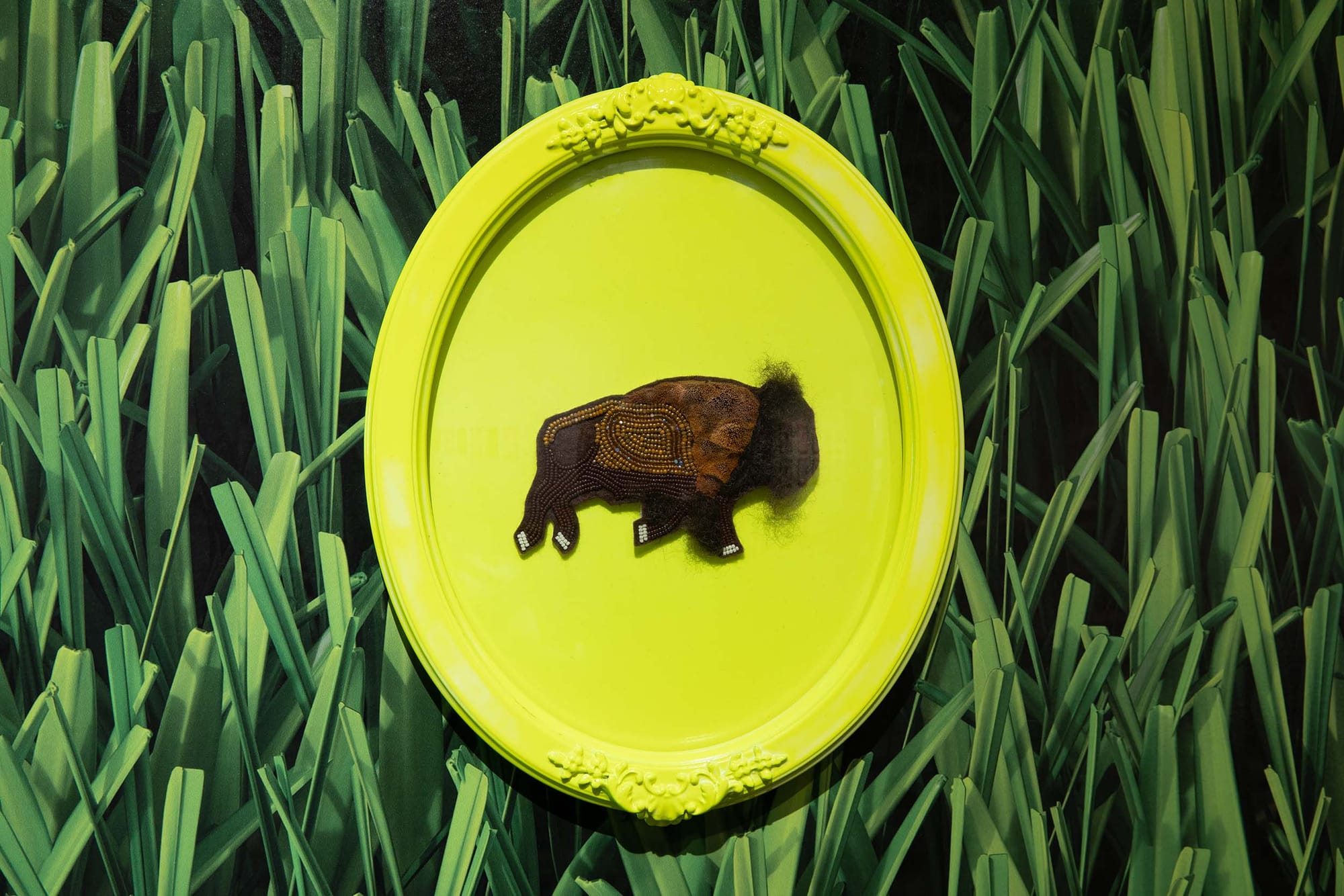
Halifax-based artist Carrie Allison has. Of nêhiýaw, Métis and mixed European descent, Allison has been using her work to explore ideas around how land use is tied to colonialism. The perfectly manicured lawn is the subject of her piece they built fields of grass on sawdust, which is one square foot of individually hand-beaded blades of grass.
Allison is one of five artists awarded the David Suzuki Foundation and Rewilding Magazine’s 2026 Rewilding Arts Prize. We spoke with her via video call about her work, other artists we should know and her favourite spot in nature.
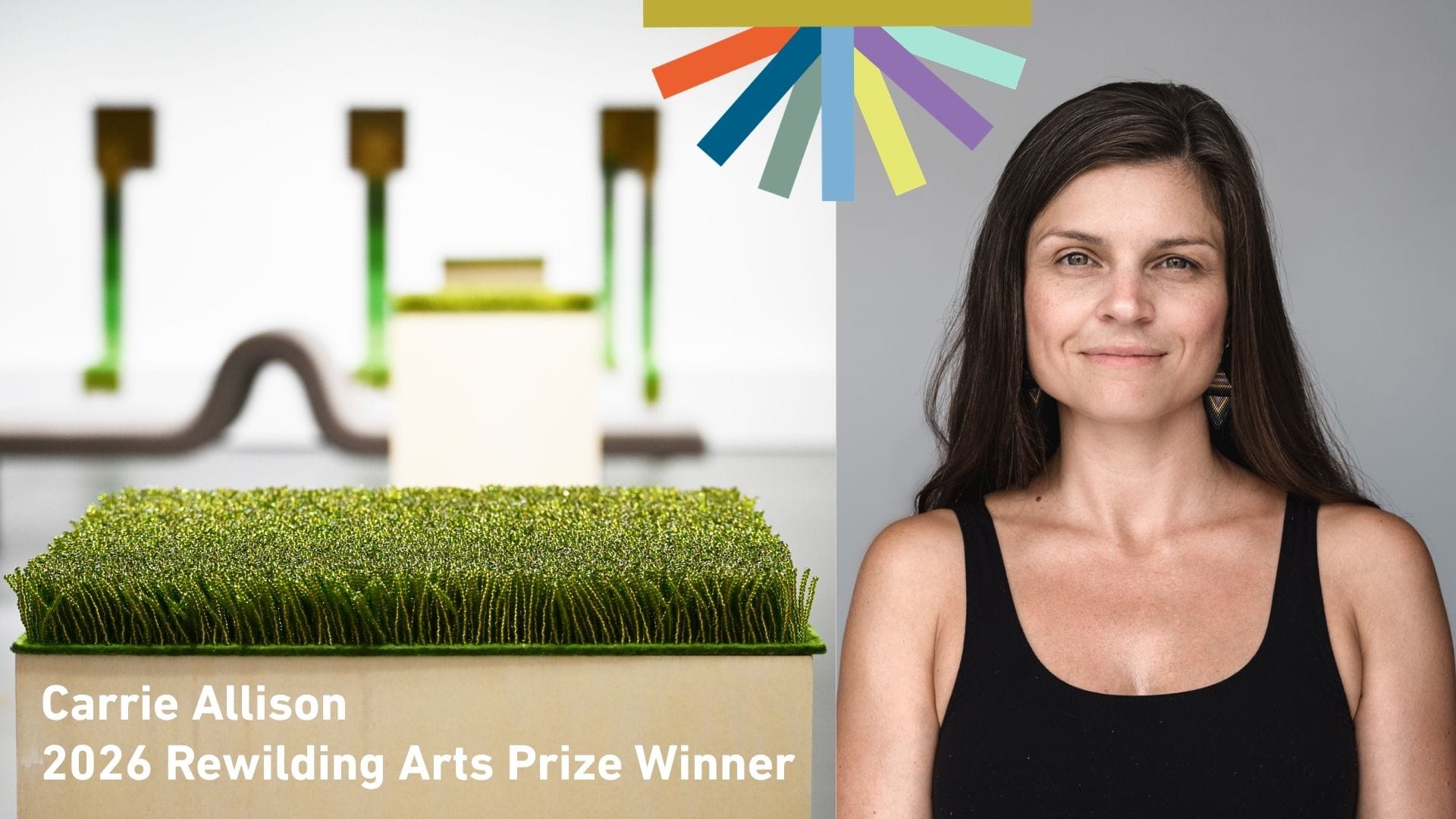
Rewilding: Tell us about your artwork they built fields of grass on sawdust.
Carrie Allison: It’s about the role that colonialism has played in shaping the land around us, and shaping land through laws and societal expectations.
One of the major inspirations for this work is a book by Rinaldo Walcott called On Property. Walcott talks about how property is a mainstay of colonialism and how it keeps us in servitude to the state. The concept of property can’t be unwound from slavery and the theft of Indigenous lands.
I was thinking about this idea and how it functions in our day-to-day life. Property and bylaws maintain colonial standards and expectations even within your own property lines.
Those narratives extend to where my family’s from, in the prairies of northwest Alberta. Dividing land in very structured ways is how the prairies were colonized, how they were dispersed to settlers and how the land was strategically taken away from both Métis people and from Indigenous nations.
That history of theft relates to current practices of maintaining your lawn.
A lot of it is Christian idealism and this idea of maintaining your lawn to be a good neighbour. In reality, it’s really bad for the environment. The environment needs biodiversity in order to thrive – especially right now, when we’re seeing so many dramatic, extreme weather events like fires and floods. You need a more beneficial soil landscape to sustain the ecosystem. Lawns take that away. Monocultures lessen that.
Maintaining a perfect square [of lawn] ties in to ideas of property, colonialism and the history that it’s tethered to.
 Jessica Wei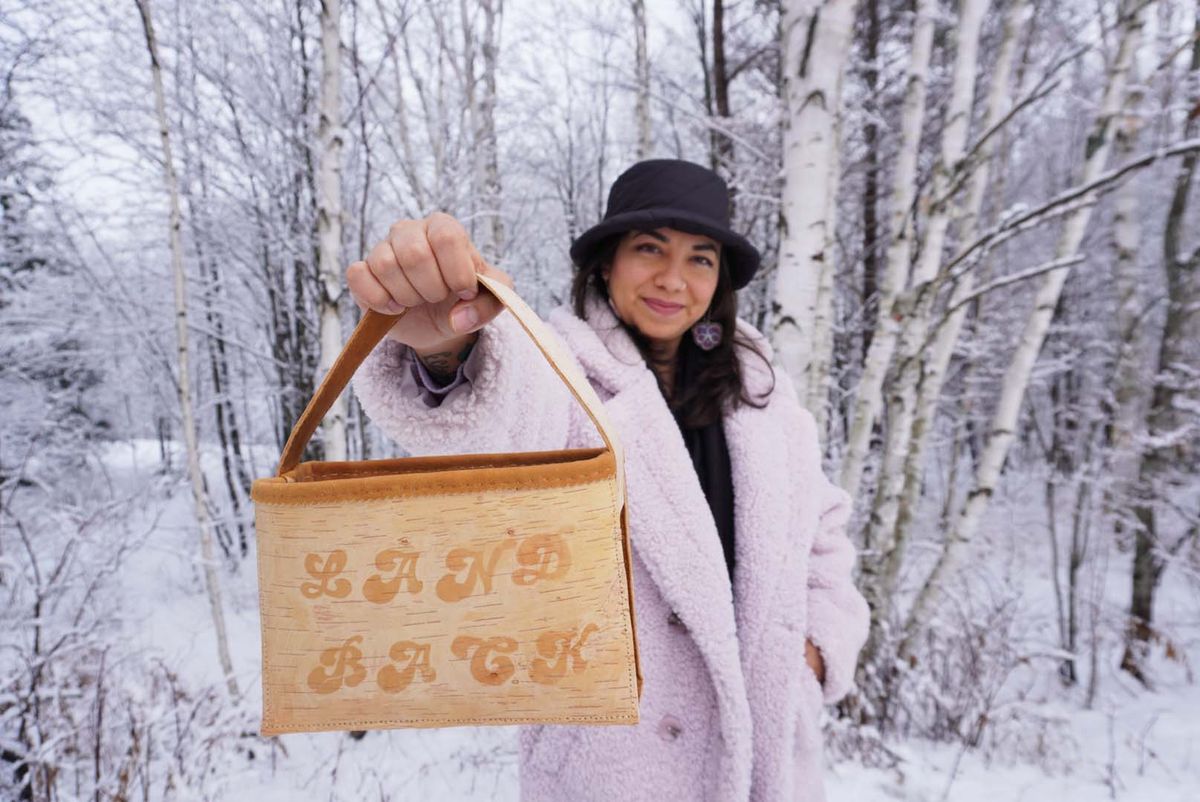
R: Can you talk about your use of material, about your beading?
CA: It’s an extension of my drawing practice, with different materials. My practice has always been series-based and monotonous. I really like repetitive tasks.
My family is also Cree Métis, so these practices have always been done. That’s another thing I cherish about the medium.
In terms of this specific body of work, I’ve lived predominantly in the suburbs. I currently live in a little cul-de-sac; it’s very cute.
When we first moved here, within the first summer, [my partner] went out and bought a stand-up weeder and he was out weeding on a Sunday, when all the other men are out weeding. I was just like, What is this cult that we’re all of a sudden a part of? It’s so weird.
Thankfully, he doesn’t do it anymore. Our lawn is strategically unkempt, because we’re not wasting our time.
But it was interesting to see this sort of need to take care of your lawn. There’s a societal pressure, because there’s an implication that if you have a messy lawn, you’re not a good neighbour.
But don’t people ever think that [mowing your lawn] is a waste of time?
It’s totally fine for [my neighbour] to spend a day managing his lawn. But my work doing some sort of hand practice or feminized labour, like beadwork, is considered busy work.
Him maintaining a lawn is valued. Me beading a lawn is not as valued.
 Katharine Reid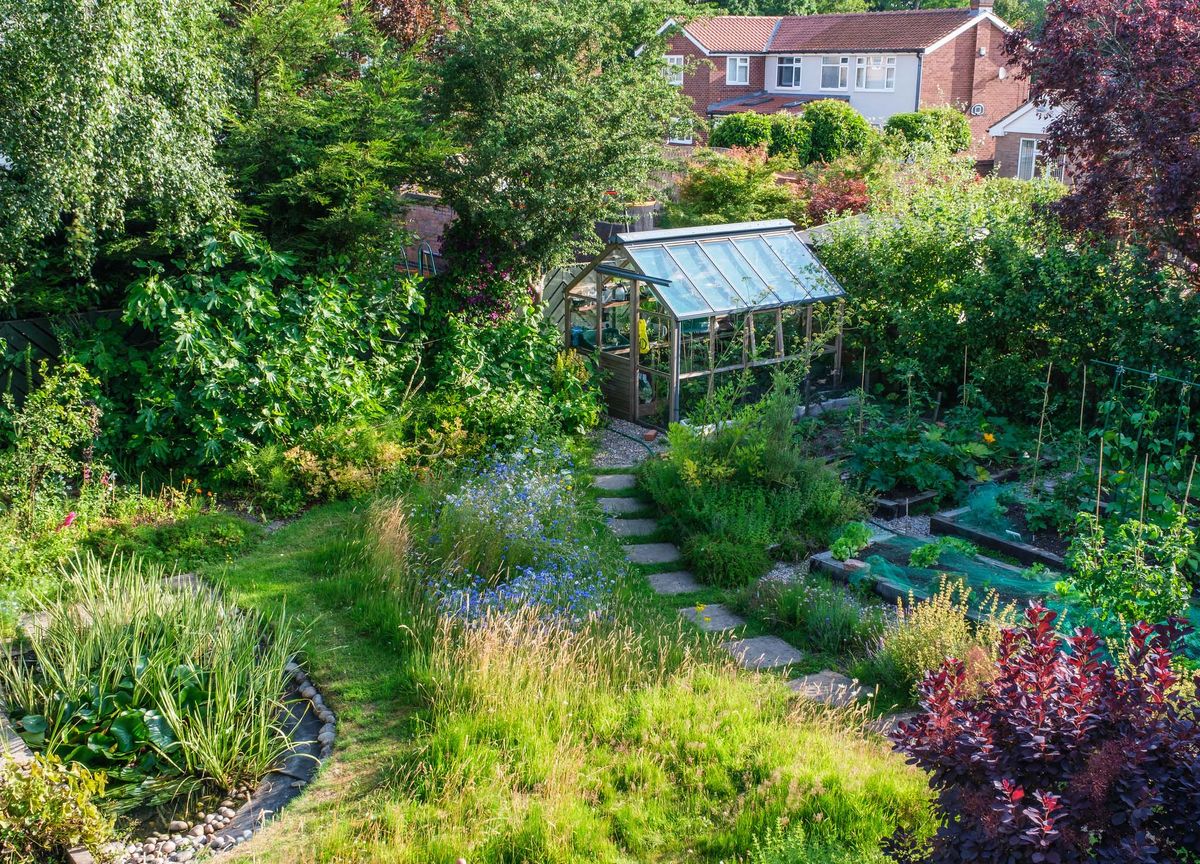
R: What place do you see art having within the rewilding and environmental movements?
CA: Art has always been part of life within Cree Métis cultures. It’s just a way of expressing yourself, a way of being. It’s a way of telling stories, holding memories, celebrating people and celebrating culture.
The land is also just part of life. It’s a relative – something you celebrate and honour. You build a relationship to the landscape within your day-to-day practice.
Capitalism and colonialism have interrupted those things. Within my art practice, I’m trying to seek them out.
Art and the land have existed together forever and always.
I think of the first artist as being people making things from and on the land. Petroglyphs are a good example of this. Thousands of years old, these paintings on the wall tell stories.
I think about ceremonial spaces within nêhiyawêwin culture, as well as the specific plants that we use. I see those as artistic practices relating to the landscape. I see them interconnected, always.
And then, in this contemporary reality, I also think of how the arts can play a role in making people actually care. Art makes you feel something. It makes you think in a different way.
 Corinna vanGerwen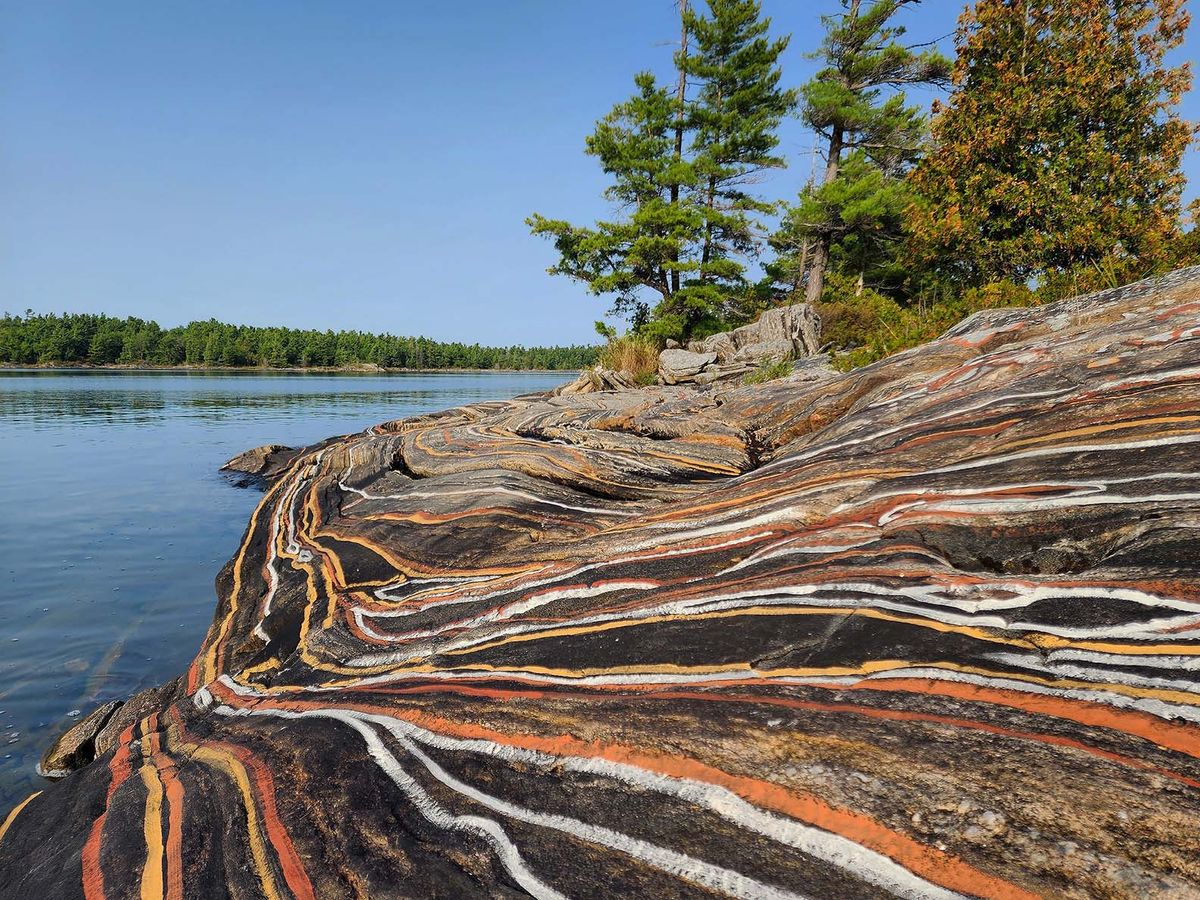
When I think about what we’ve done to the landscape, the only way that you can really make people care and feel something is by telling these stories.
And art – whether it be music, literature, visual art – does this in a way that connects people. That’s what’s so important about having art within our society and within our communities. It engages people. It makes people feel. Through that feeling or through connecting with someone, it draws them in to learn more. The arts is the only thing that can change the way someone feels.
The unfortunate thing is that property is your best investment in North America. I don’t think rewilding can really take form until you change the fundamental understanding of what property is. Because property is shared. Regardless of whether or not you maintain your lawn, the effects of that lawn are felt throughout the continent.
Think extreme weather events. Nothing’s going to mitigate that except for collective action. Collective action doesn’t mean anything unless the idea of property has fundamentally changed.
Because corporations, governments, own those properties, and they write the rules.
R: Is there another artist working within similar themes of rewilding or environmentalism that you think other people should know about?
CA: Lisa Myers runs a project called Finding Flowers. It’s a revisiting of Mi’kmaq artist Mike McDonald’s Butterfly Gardens. It’s collaborative and community-orientated, and talks about memory as well as the importance of localized ecosystems and Indigenous gardening.
Tania Willard and the Bush Gallery collective do work on the land and talk about land stories. They’re really inspiring in how they work together in a very anti-colonial model.
And performance artist Ursula Johnson was a mentor to me. She makes work with black ash baskets and talks about how colonialism has impacted the environment.
R: What’s your favourite spot in nature?
CA: I love being out in my garden. We have, like, 10 trees in our backyard, so it’s very much forested.
I love the hot spring rain. That smell is my favourite smell in the whole world.
And I long for and seek out the prairies. I need to go at least once a year and have at least one day of just driving – just looking and seeing. I go to different areas that my family is from and I’ll take different roads that I haven’t taken before.
This interview has been edited for length and clarity.
This is the fourth in a series of stories featuring the winners of the David Suzuki Foundation’s 2026 Rewilding Arts Prize. Find out more at davidsuzuki.org.
Comments ()