

Meet the artists rewilding culture
Across Canada, hundreds of artists are tackling environmental issues through their creative practices. The Rewilding Arts Prize is building a community around them.
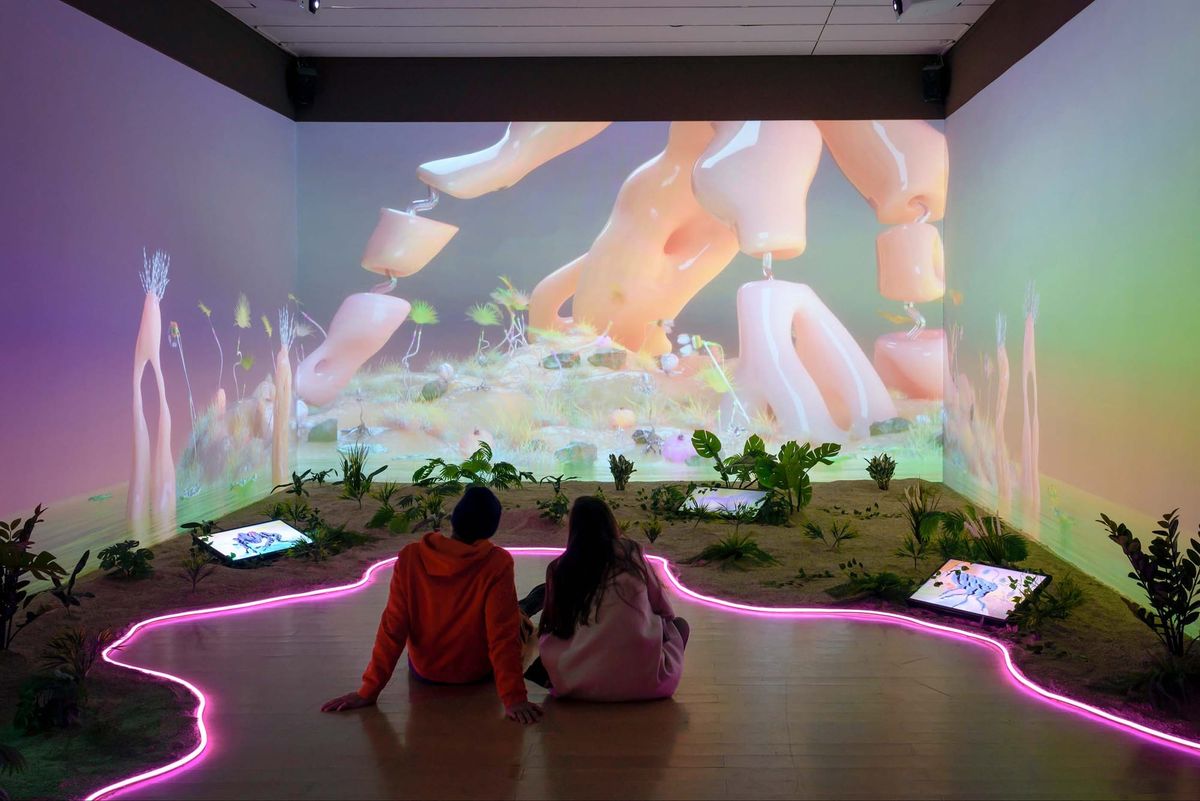

What began as an experiment is blossoming into a creative movement. In 2022, the David Suzuki Foundation in partnership with this magazine introduced the Rewilding Arts Prize, recognizing six winners and seven runners-up for their artistic works on the theme of rewilding.
This year, the second instalment of the prize garnered more than 650 applications from across Canada. “It was quite a task trying to pick winners out of this massive pool,” says jury member Hashveenah Manoharan, who was joined by co-jurors and former Prize finalists Khadija Baker, Laara Cerman, Kendra Fanconi, Natasha Lavdovsky, Angela Marsh, Amber Sandy and Janice Wright Cheney.
 Kat Tancock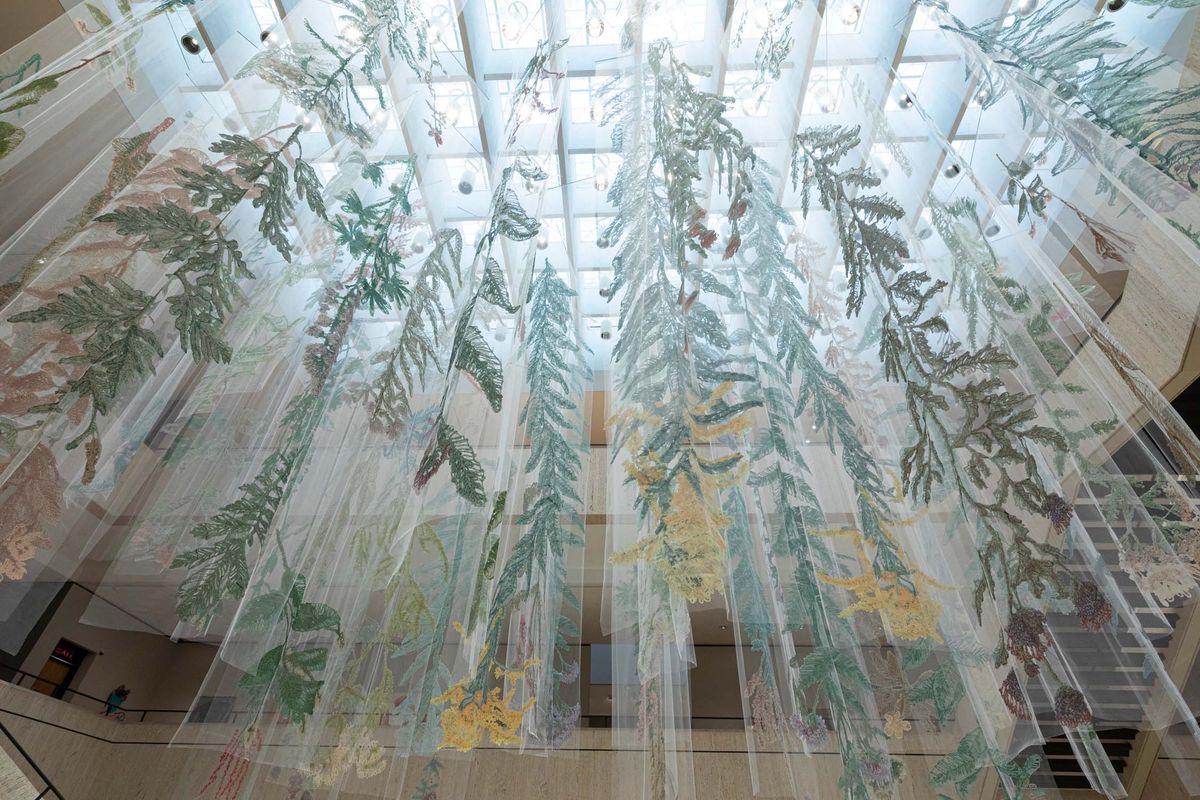
Art meets nature
Of the hundreds of applicants in 2026, nearly half were first-time entrants, demonstrating that there’s a growing community of artists compelled to address themes of restoring and revitalizing our connection with nature. “Even though we’re working very differently and our outputs are different, there’s a core value,” says Manoharan, who was also a finalist for the prize in its first year.
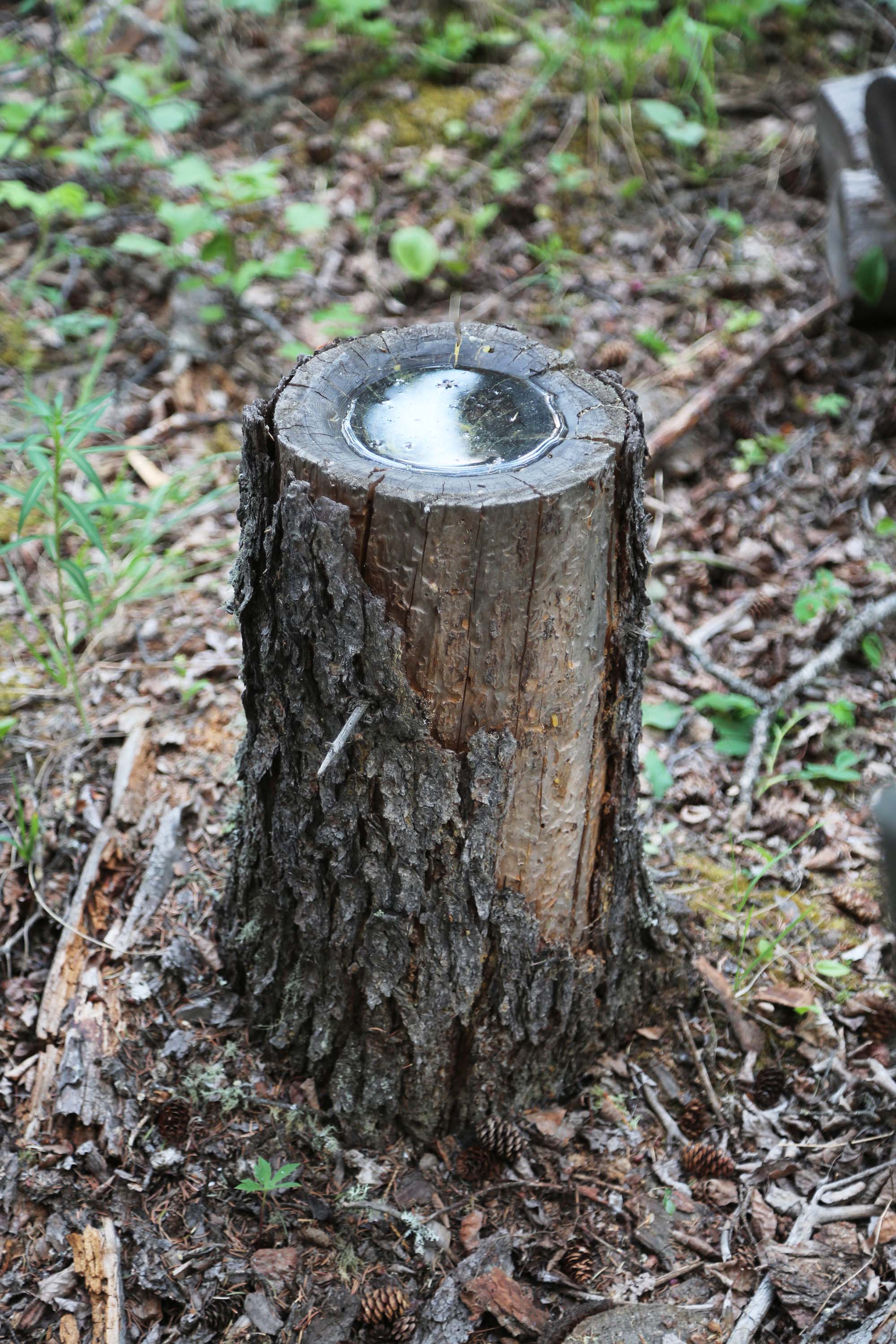
Spanning all artistic disciplines, this year’s applicants interpreted the theme of rewilding in a multitude of ways. The diverse cross-section of practices included land-based work, Indigenous knowledge and cutting-edge installations. Some pieces made use of natural materials, while others integrated the human form into the landscape. Invasive species was a prevalent motif.
Manoharan noticed regional patterns too. “If you’re somewhere with a lot of lush vegetation, your understanding of what nature is is different than if you’re based in the grasslands,” she says. “Those geographical regional patterns were super compelling.”
Narrowing down the entrants
With such a broad spectrum of art to consider, Manoharan and her seven co-jurors required an unplanned-for second deliberation meeting to narrow down hundreds of contenders to just 20 finalists. (View the full list below.) Among other criteria, they looked at whether the artwork deepened an understanding of rewilding or inspired reflection on ecological themes.
“I was so charmed by the diversity of practices and approaches, and how they each reflect their geographical place, their histories as artists, where they come from, how they were raised and how that eventually turns into a practice,” says Manoharan. “Our finalists are emblematic of all the different ways you can approach this.”
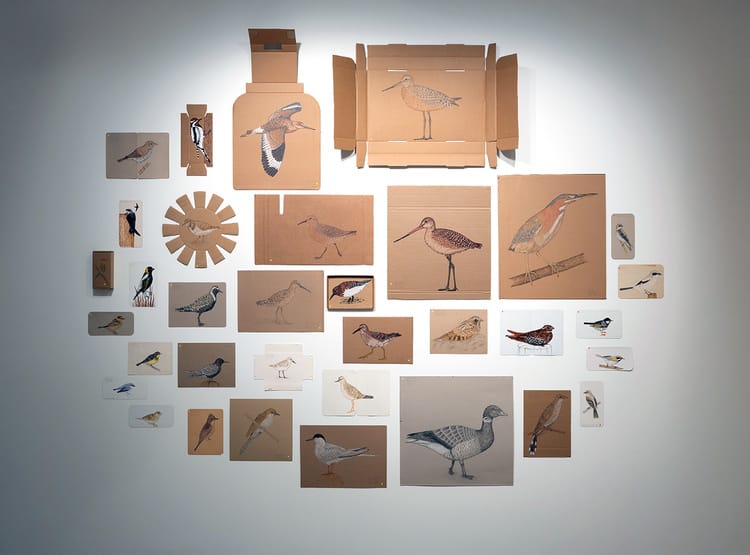
2026 Rewilding Arts Prize winners and finalists
Of 20 finalists, the jury selected 15 runners-up and five winners of the 2026 Rewilding Arts Prize.
The 15 runners-up are:
- Bianca Shonee Arroyo-Kreimes, Montréal, Quebec (digital installation)
- Ari Bayuaji, Montréal, Quebec (installation art)
- Melanie Barnett, Medicine Hat, Alberta (ceramic sculpture)
- Maria Ezcurra, Montréal, Quebec (textile installation)
- Lara Felsing, Edson, Alberta (painting, textiles)
- Jude Griebel, Calgary, Alberta (sculpture)
- Mbelo Hervé, Montréal, Quebec (painting)
- Richard Ibghy & Marilou Lemmens, Durham-Sud, Québec (research-based installation)
- Evan J, Victoria, British Columbia (performance, poetry)
- JP Longboat, Elgin, Ontario (performance art)
- David McGregor, Goodfare, Alberta (site-based art)
- Emily Rose Michaud, Outaouais, Québec (social practice)
- Melaw Nakehk’o, Yellowknife, Northwest Territories (hidework)
- Debra Frances Plett, Winnipeg, Manitoba (sculptural books)
- Shay Salehi, Toronto, Ontario (ecological research)
The five winners are:
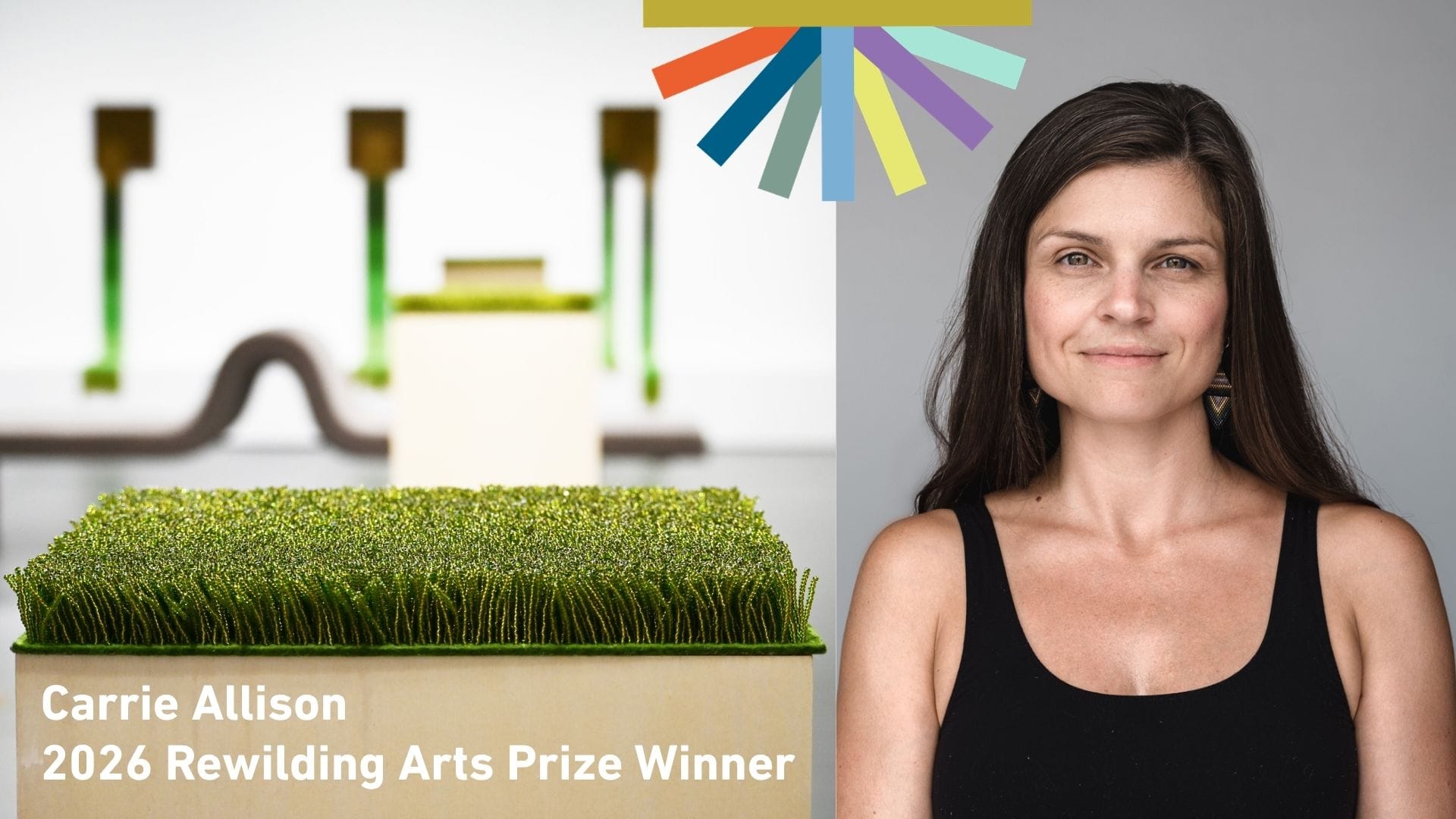
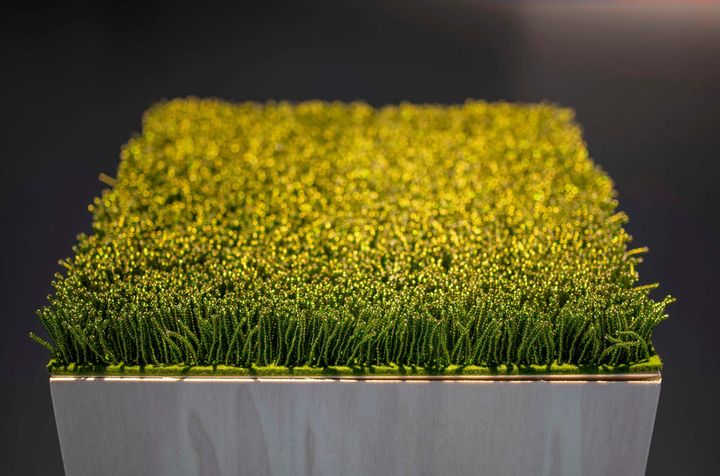
Carrie Allison is a nêhiýaw/Cree and Métis multidisciplinary artist based in K’jipuktuk (Halifax, Nova Scotia) whose work engages land, labour and colonial histories through beadwork, sculpture and digital media. Her work seeks to reclaim, remember and celebrate her ancestry while examining lawns and crops as colonial space taking tools.
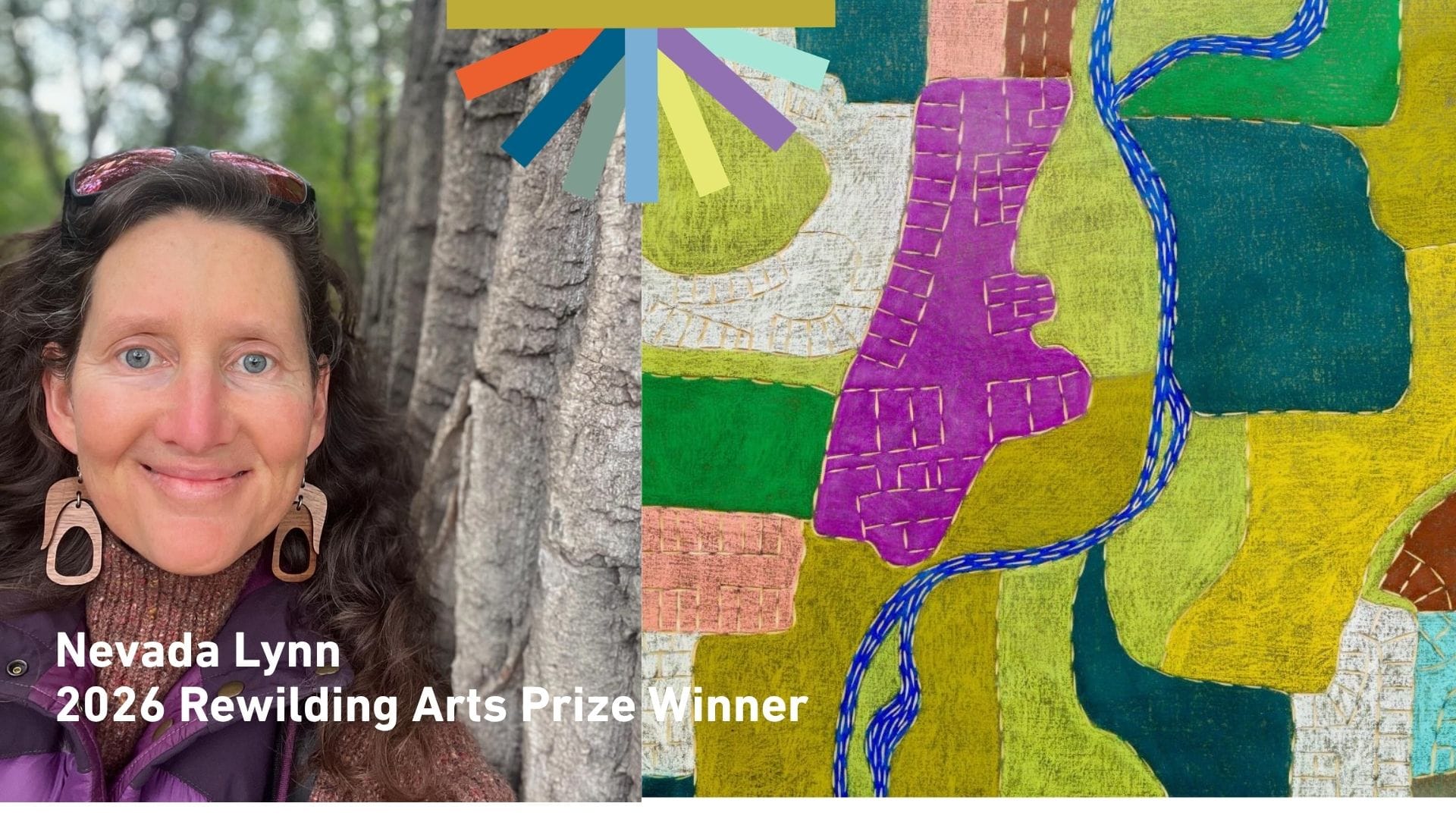
Nevada Lynn is an interdisciplinary artist with Red River Métis and mixed European ancestry whose work explores buffalo repatriation and Indigenous resurgence. Incorporating Métis making practices with natural materials such as beeswax, charcoal and reclaimed skulls, her work frames rewilding as cultural and ecological restoration. Nevada lives and works on the shared unceded territory of the Skwxwú7mesh and Lílwat Nations in Whistler, B.C.
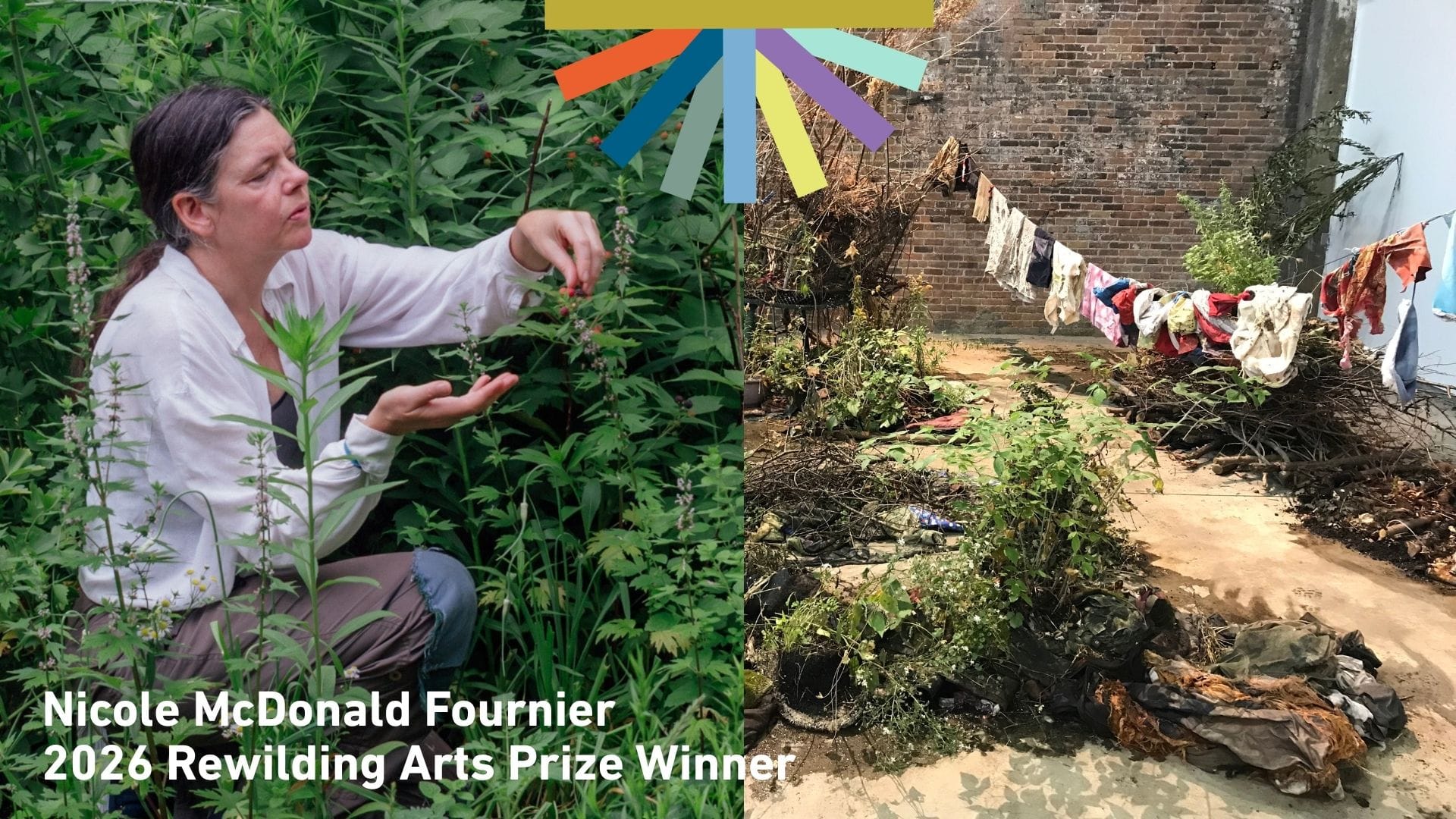
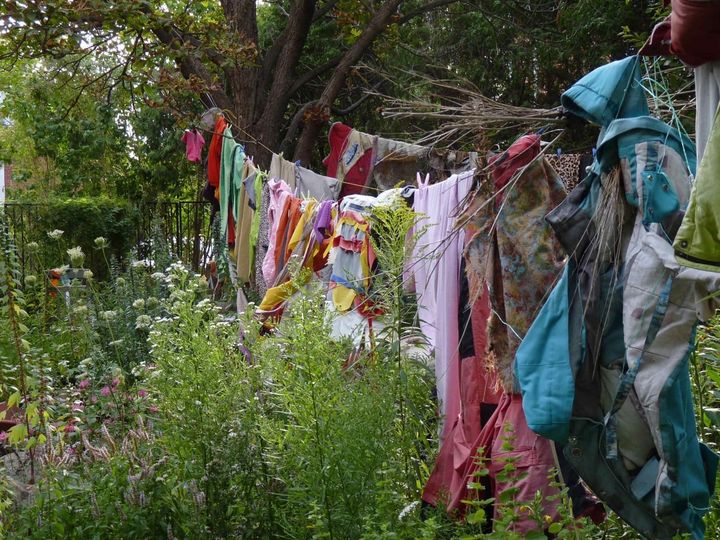
Nicole McDonald-Fournier is a Montréal-based agro-ecological artist who has practiced urban rewilding for more than two decades through performance, installation and stewardship of her site, InTerreArt. Her “do nothing” methodology foregrounds non-intervention and plant autonomy as artistic strategy.
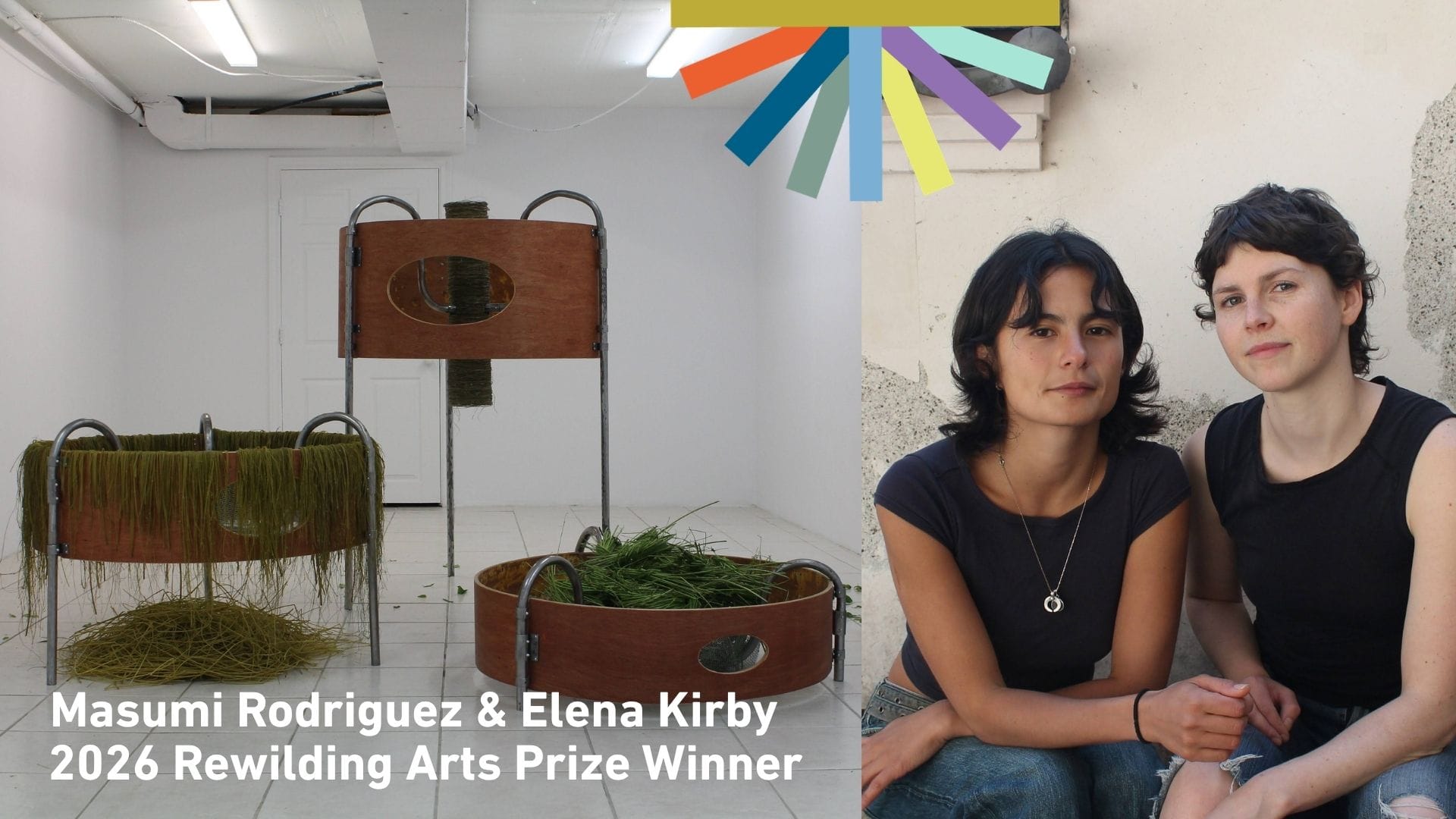
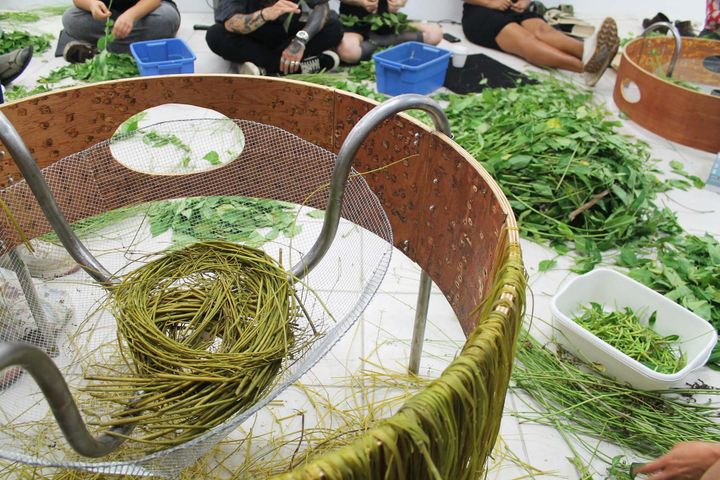
Masumi Rodriguez and Elena Kirby are a Montréal/Toronto-based artist duo whose collaborative practice centres invasive plant species as material for fibre-based installations and workshops. Through community papermaking and material research, they engage with the politics of “invasivity,” stewardship and land-management practices tied to these plants.
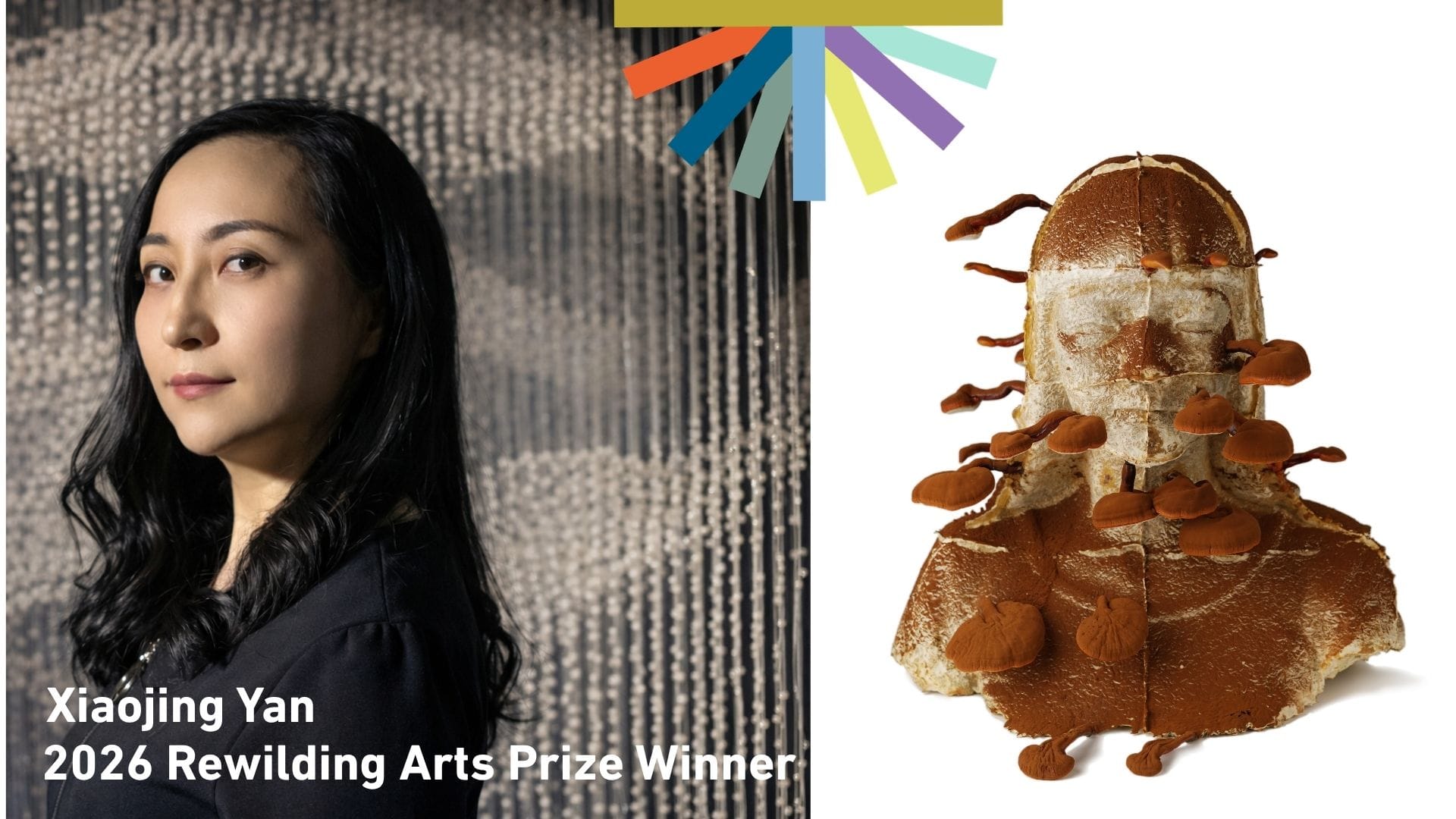
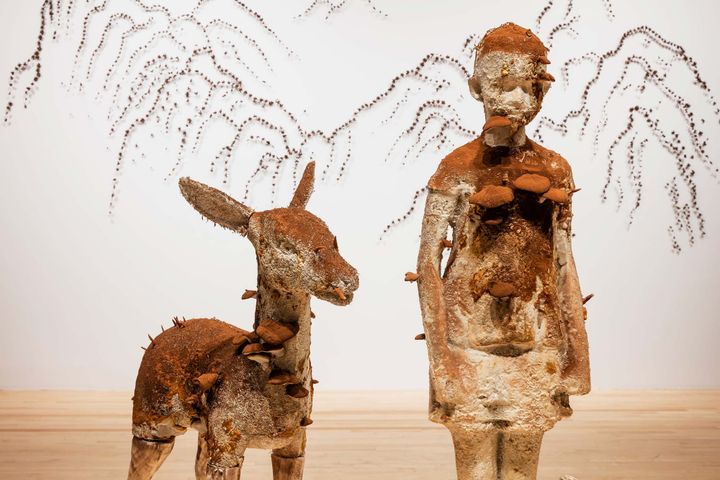
Xiaojing Yan is a Chinese-Canadian artist based in Markham, Ontario, whose installations and living sculptures engage with fungi, native plants, pearls and other organic materials. Blending diasporic identity, ecological design and digital tools, her work reframes art as a living negotiation between human and non-human worlds.
Each winner will receive $2,000.
Better together
The emergence of the creative rewilding community isn’t just apparent in the increased number of Rewilding Arts Prize hopefuls. The burgeoning movement is also visible in the relationships being forged between the prize’s finalists, who are invited to become part of the Rewilding Arts Collective, a national network of artists advancing ecological awareness through creative practice.
“The connections that we were able to make as prize winners the last time had a meaningful impact on me,” says Manoharan.
As a working ecologist, arborist and biologist, Manoharan sees the inclusion of the arts into the broader rewilding movement as a bright spot in a sector often beleaguered by bad news. “[My day job] is inherently soul crushing,” she says. “Every day we need to show up and try to operate within the system. With policies that are out of your control, it can feel really limiting.”
Having an art practice allows Manoharan to dream of a different reality. “What’s a better expression of hope and community than these individual arts practices?” she asks.
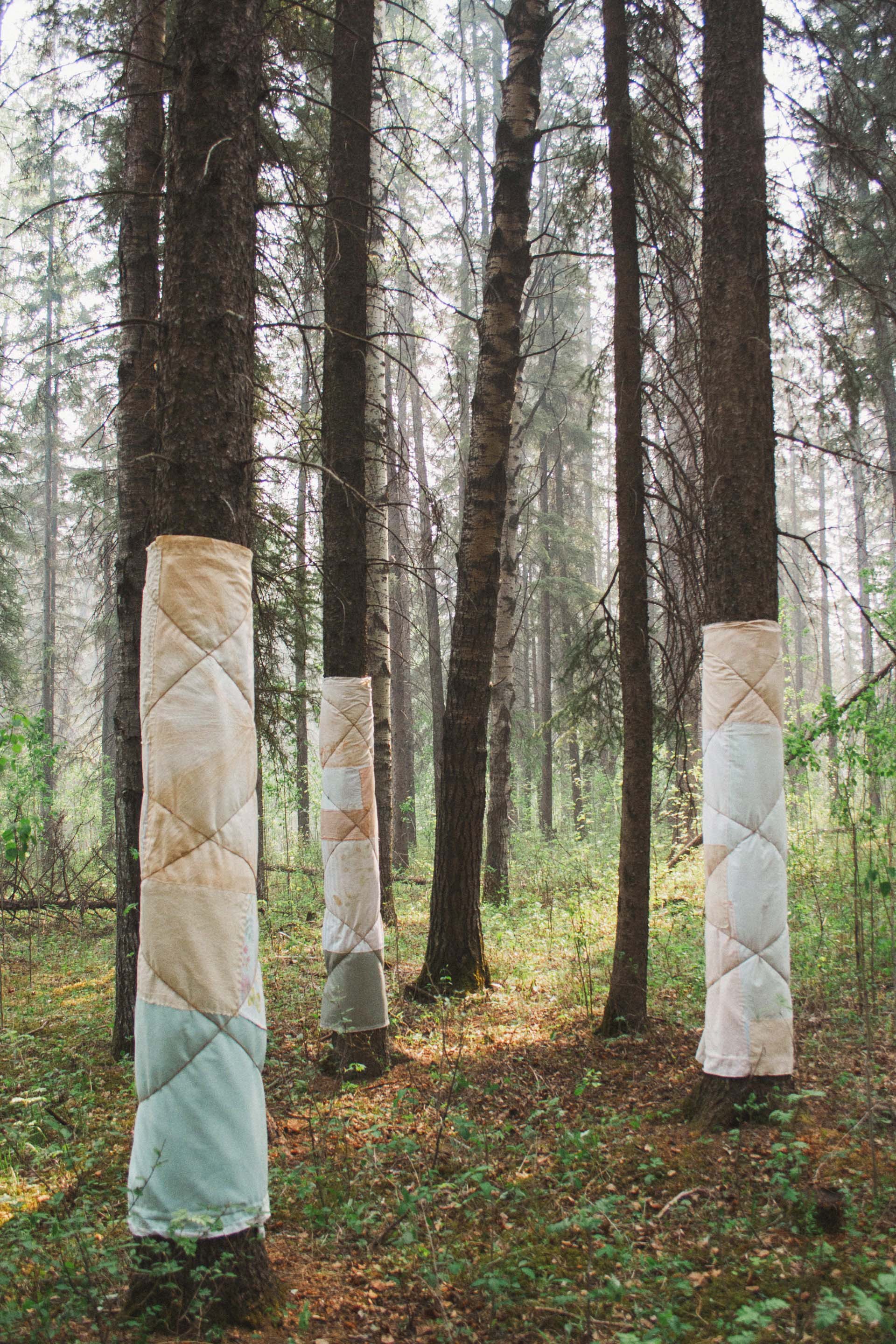
“Environmentalism takes so many different forms,” says Manoharan. Political advocacy, on-the-ground science, habitat restoration, socio-ecological research, economic organization, individual habit adjustments – they’re all working toward the common goal of sustainability.
The prize is proving that artists are not just reflecting environmental issues, but actively shaping how people understand and engage with them – rewilding our minds, hearts and communities in ways science and policy alone cannot.
With the Rewilding Arts Prize, the David Suzuki Foundation brings art into the conversation. “Humbly offering art a seat at this table is so powerful,” says Manoharan. “It puts value in imagination, creativity and just dreaming of what a better world could look like.”
Comments ()