

Rewilding for relationship and reconciliation
Project Forest is working with Indigenous communities in western Canada to take on projects with traditional land use top of mind.
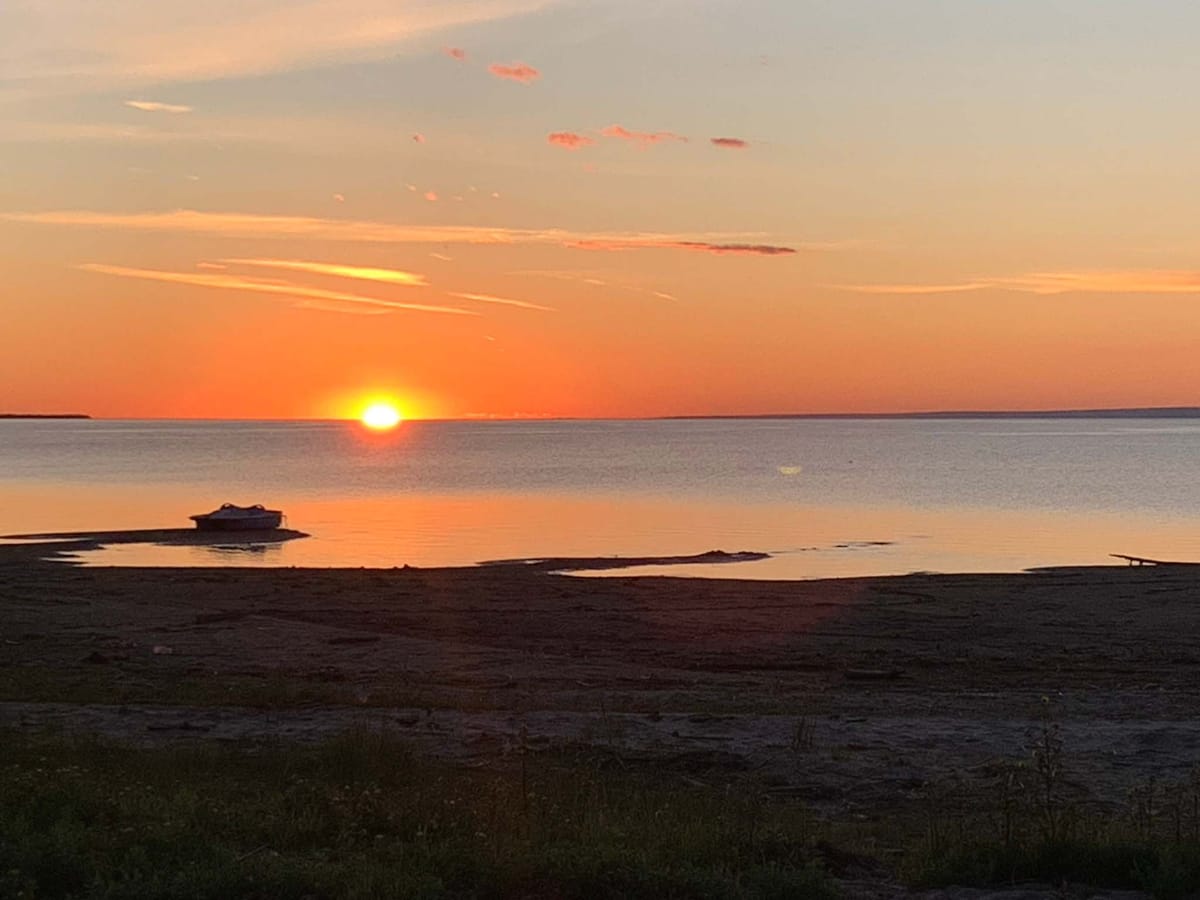
“We weren’t advertising this as a potential service,” says Mike Toffan. “People were literally seeking it out.”
The service in question? Running rewilding projects on private and Indigenous land. At the time, Toffan was leading projects for a company that sells trees and works on reclamation at industrial sites. But he was getting frequent calls from private citizens about local land, and realized there was a huge gap in western Canada to help with personal rewilding projects.
So in 2020, Toffan started Project Forest, a non-profit dedicated to rewilding local landscapes with the goal of capturing carbon naturally, connecting people with the land and providing habitat for wildlife.
One key project has been the Swan River First Nation Ecological Reconciliation Project in Alberta, northwest of Edmonton. The land in question is near the band office; it had been cleared for agriculture decades before but turned out to be unsuitable for farming and was abandoned. As Toffan drove through for the first time, there was so much thistle, he worried it would scratch his truck.
Today, it’s a thriving food forest with 40 different species and more than 750,000 plants, all with cultural and historical significance.
Here, Toffan speaks about Project Forest and how the 34 hectares in Swan River First Nation reflects the work they strive to do.
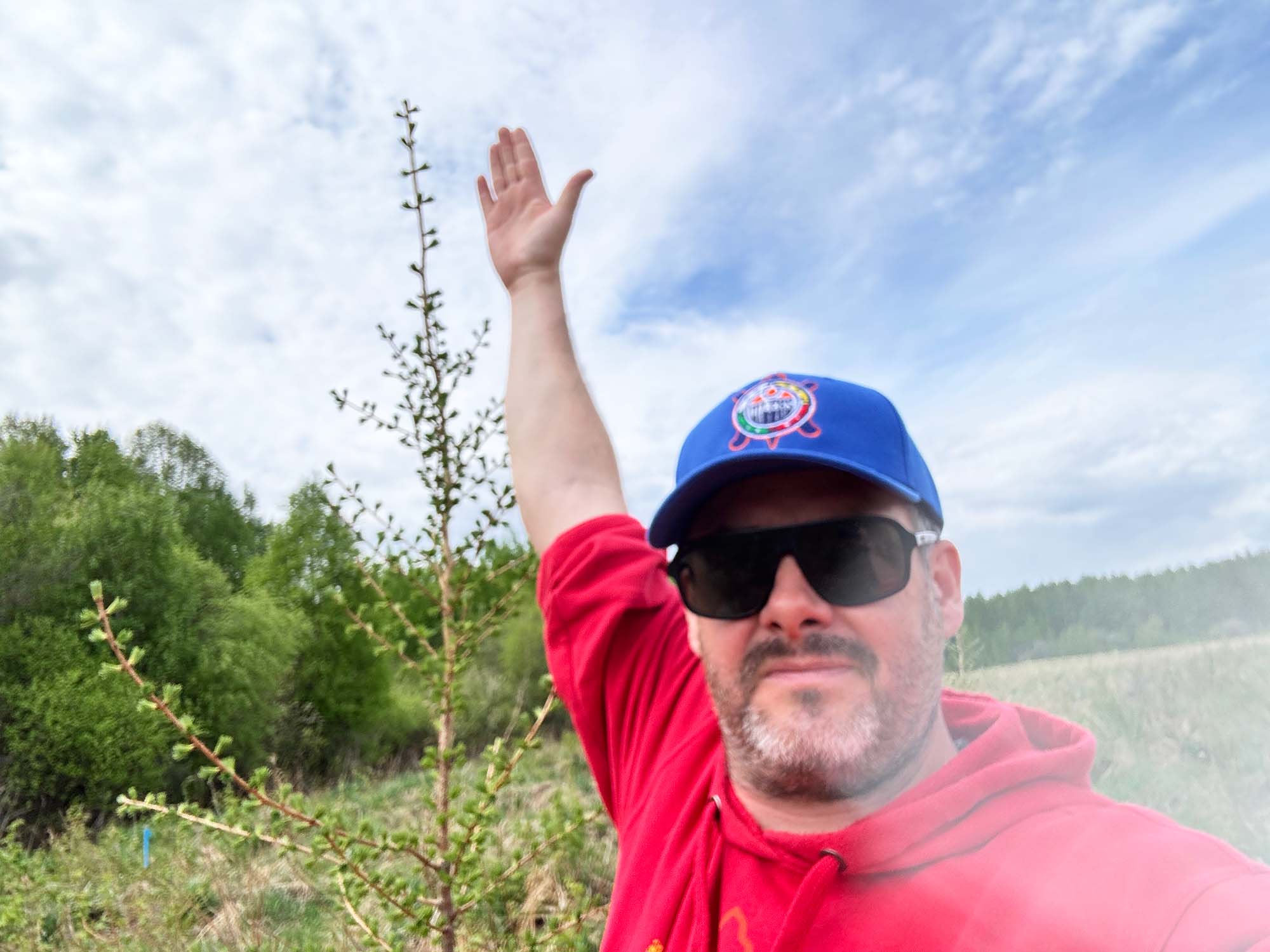
“Our project with Swan River First Nation was our very first opportunity to work with any Indigenous community. Dustin Twin was a council member at the time, and he said, ‘I like the way you approach this type of work, but when you’re going to work with our nation, I’m going to ask you to do three things that are in addition to how you would normally approach one of your projects.’
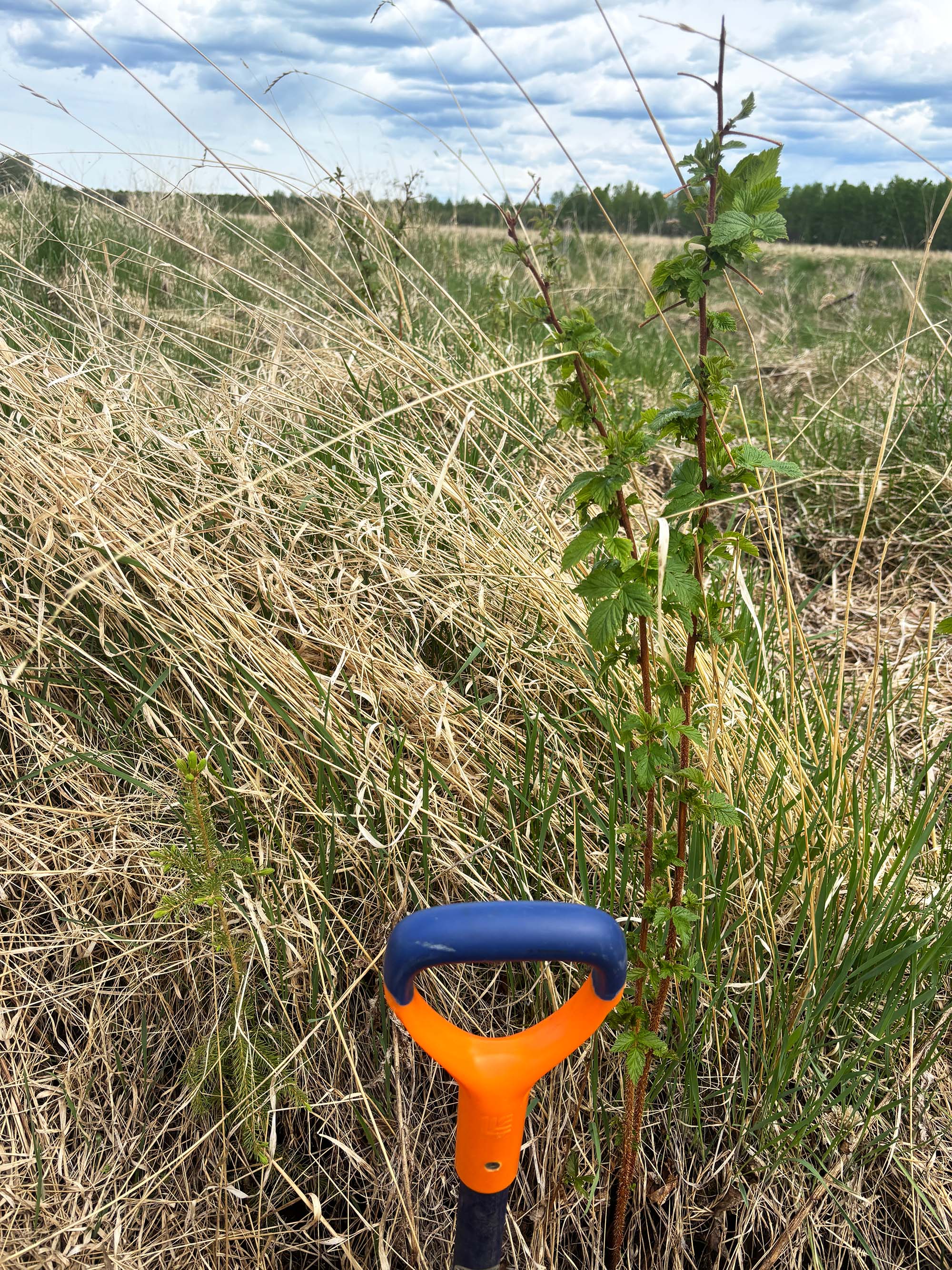
He said: ‘Number one, I want you to find a way to reintroduce traditional foods back onto the landscape.’ So when we started working with Swan River First Nation, we were like, ‘Okay, what plants are important to you and your community, from a fruit-bearing, medicinal and cultural perspective?’
The answer came in the form of species including saskatoons, raspberries, white spruce and tamarack.
Second thing that Dustin asked was finding a way to re-establish traditional land use opportunities for his community. As these seedlings become trees and the shrubs start bearing fruit, these opportunities are organically presented to the community members. The project location is 15 minutes away from the band office, so there’s an opportunity for knowledge-sharing literally in the backyard. Elders can gather and talk to youth, and share that knowledge in a place that has cultural and spiritual significance.
The third thing he asked me to do is share. When you talk about square metres, Swan River First Nation is not a large nation, and he believed the idea had legs to go beyond their nation into others. And he asked me: ‘Mike, make sure everybody knows Swan River was the first because we trusted you.’
The more people are aware of Project Forest, the more people will take on rewilding projects, and the bigger the impact we can have.
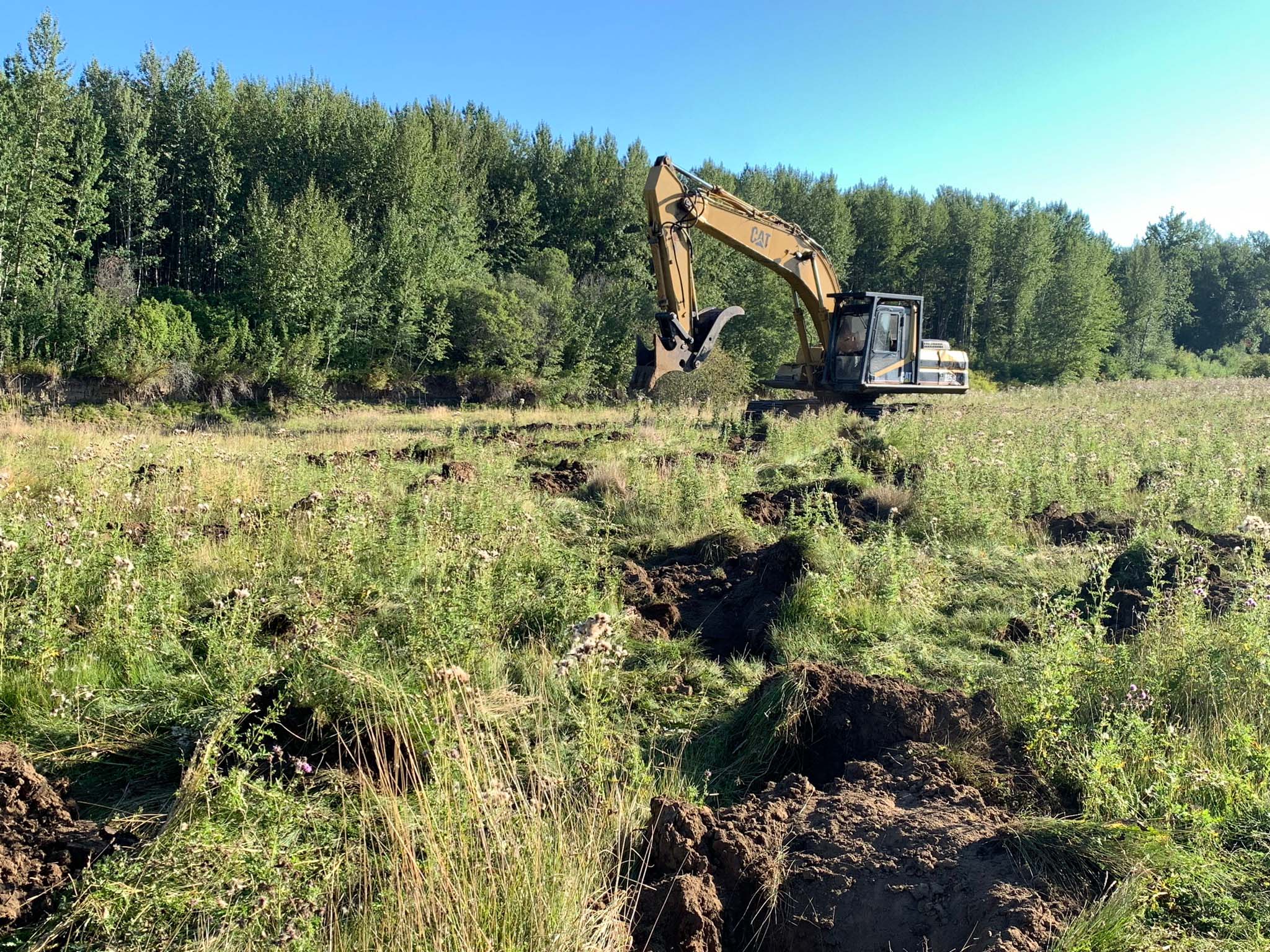
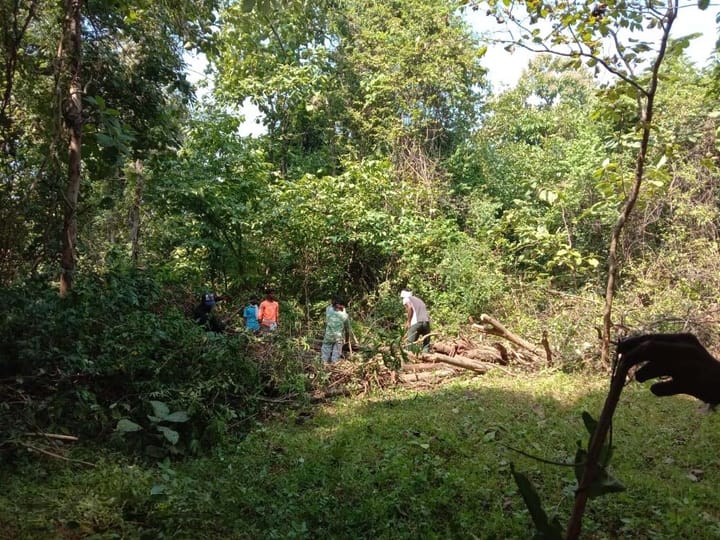
It’s been an impactful way of reconciliation to transition this land back to what it should have always been as opposed to a field that can’t produce an economic crop. At its best, it was producing hay, and then it was used for cattle grazing before being completely abandoned. The land had been flooded several times from the Swan River, and there was extreme compaction from the cattle grazing unlike anything I’ve seen in my career. We had to do mechanical site preparation to really give these trees a chance of surviving.
We’re in the fourth growing season and I was walking through the area in May and the tamarack were taller than me in some places. When you see trees growing that quickly, that means life is really, really good, from the perspective of a tree.
We also worked with the nation to bring sweetgrass back. We reached out to our friends at Suncor, and they donated enough seed to produce 200 plants.
We brought about 180 of them back to the nation, and during the very first day of planting, Dustin organized a trip with the elementary school and one of the elders found a location that was special.
I’ve been fortunate to watch enough blessings in my life to know that it was really, really important. An elder asked all the kids to grab the tobacco and spread it, saying it will help the sweetgrass grow. And I showed everybody how to plant the sweetgrass, and then the kids planted the rest of the plants.
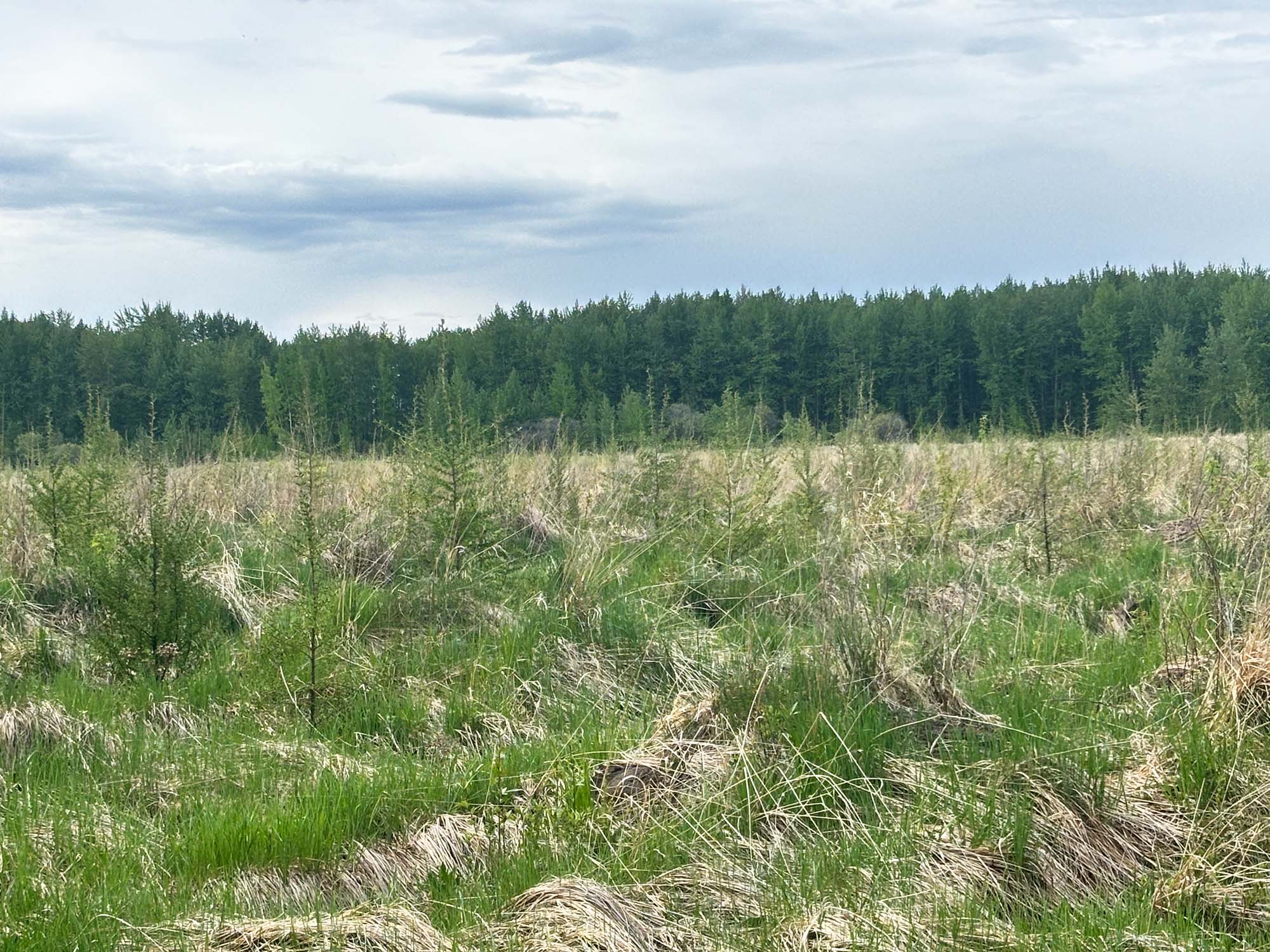
Photos courtesy Project Forest
When we started Project Forest, we thought the idea of carbon capture within the forest was the most important part of the conversation. And now it’s rather low on the list of all the other things that a rewilding project brings back to the planet. I now see the human benefit as really, really important. The ability for people to connect with nature, get their hands dirty and spend time in these spaces is very, very significant. The increase in biodiversity is also very, very significant.
The Swan River project transitioned land that was full of noxious weed into a thriving forest – the biodiversity increase is incredible, all the way from the different microbes and organisms in the soil to the birds in the air, and everything in between. Animals are coming back and utilizing the land in a more traditional way.
We’ve now worked with several Indigenous nations, including White River First Nation where 130,000 seedlings were planted, Cumberland House First Nation on the Saskatchewan/Manitoba border, and Paul First Nation about an hour northwest of Edmonton.
What is Project Forest all about? It’s finding ways to improve nature and wildlife while making people’s lives better at the same time. And those projects are pretty emblematic of our goals.”
Comments ()