

“It’s always changing, and you just adapt”
This Australian urban gardener has spent the past 14 years transforming her yard into a native-plant paradise that welcomes local wildlife.
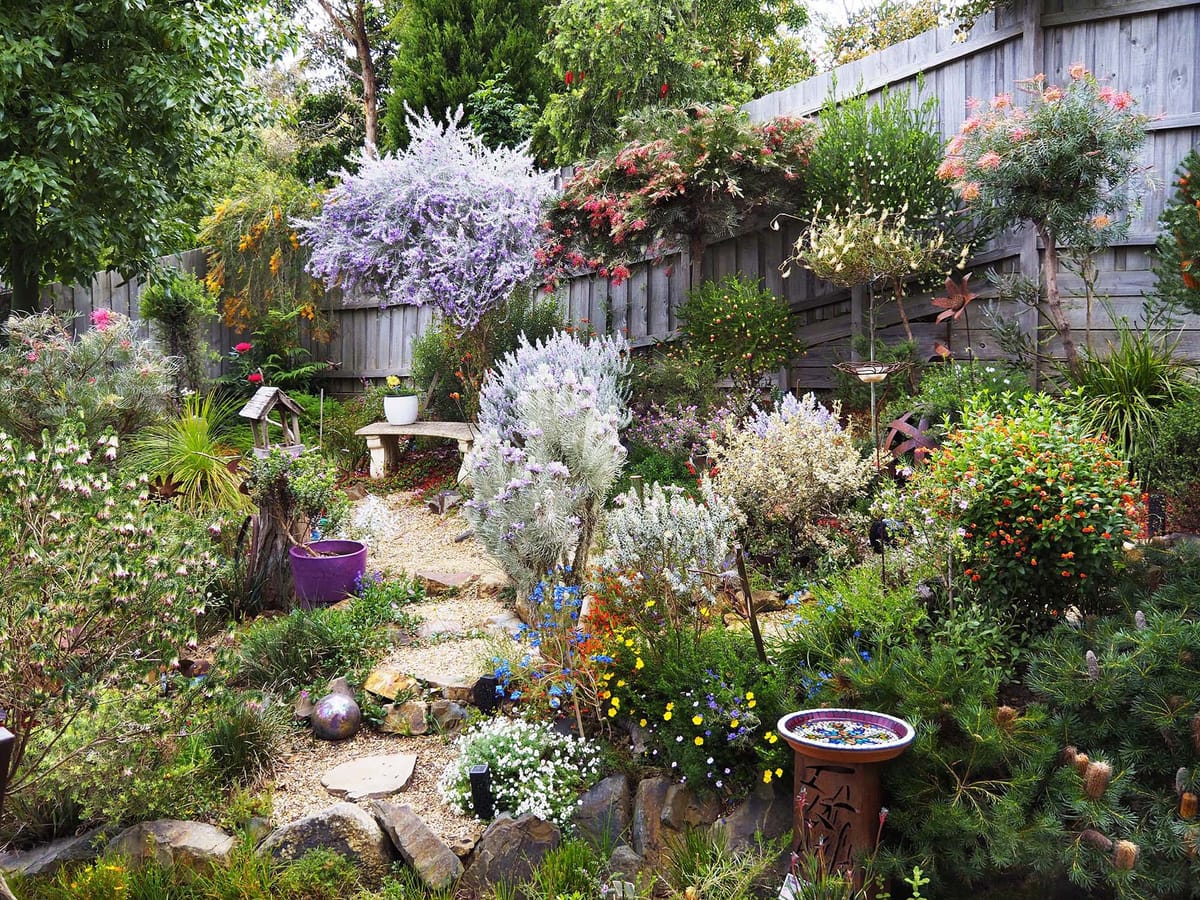
High on a steep, west-facing slope on the outskirts of Melbourne sits a native garden called Rosella Rise. Debbie McMillan, an IT worker and passionate home gardener, has spent 14 years transforming what was once a bare, new-build block – little more than turf and a few ornamentals the builder had left behind – into the informal Australian native garden that now covers the slope. Garden beds step down the hill, dense and colourful, almost cottage garden–like in feel, with flowers appearing across the seasons. Indigenous trees – those local to the region – and Australian native shrubs are planted to cope with wind, while leaf litter is left in place to feed the soil and provide habitat.
Debbie built the garden herself, hauling rocks to hold water on the hill, dragging fallen timber into the beds and planting whatever she thought might cope with the conditions. The work was slow and mostly done alone, fitted in around raising her children and the demands of the site itself. She chose species she hoped would survive the wind and long wet winters, often learning the hard way and rethinking her choices as the seasons shifted.
 Lorraine Johnson
Bit by bit, the garden changed and grew. The birds began arriving, followed by insects and blue-tongue lizards slipping through the leaf litter. One afternoon, an echidna pushed in under the fence. Debbie still remembers the shock of seeing it in an ordinary suburban backyard and the pride that followed.
Today, Rosella Rise reflects the years Debbie has spent reshaping the block into a place that continues to grow and return more than she ever expected. Here, she explains how she made it happen, step by effortful step.
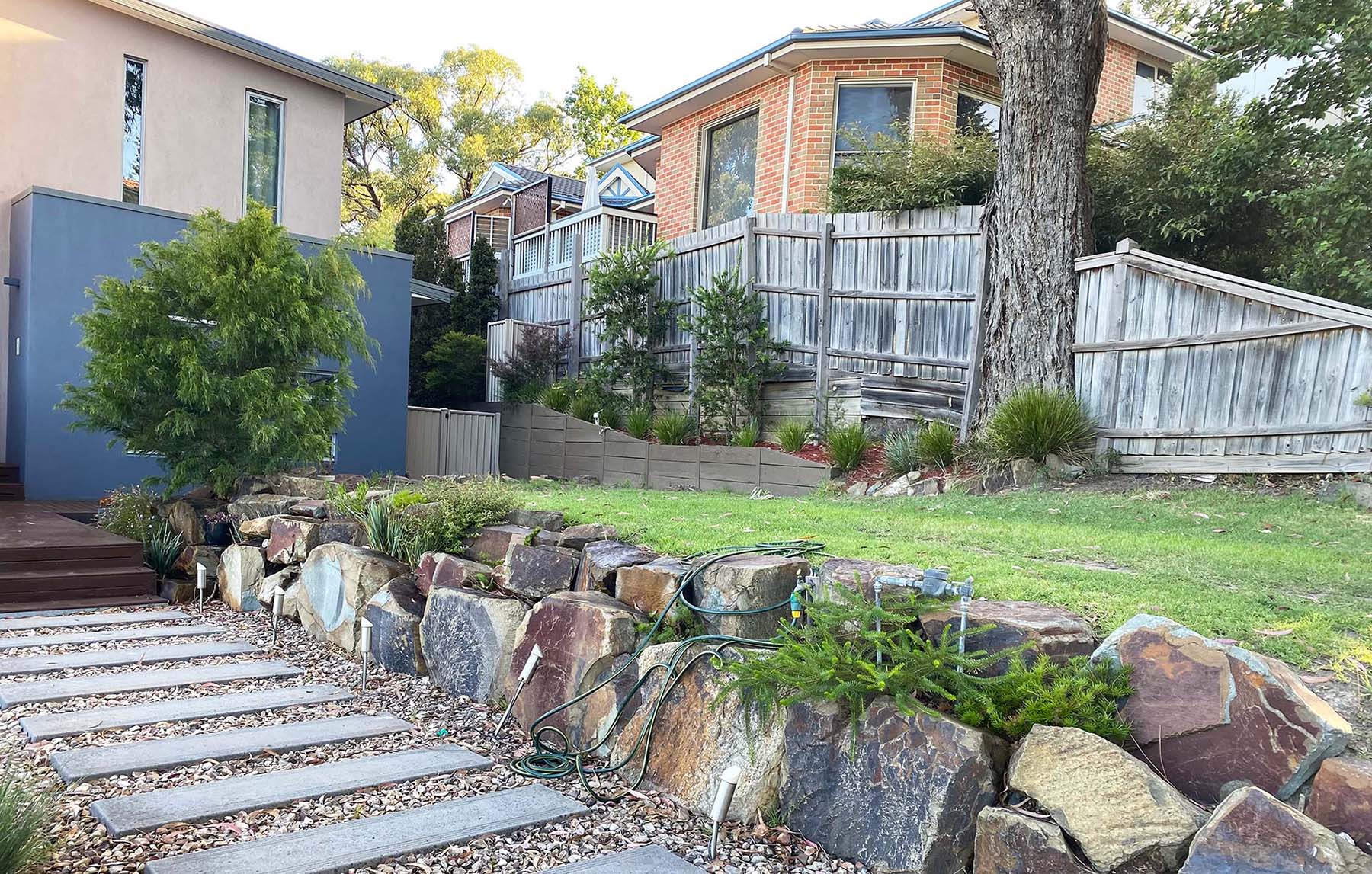
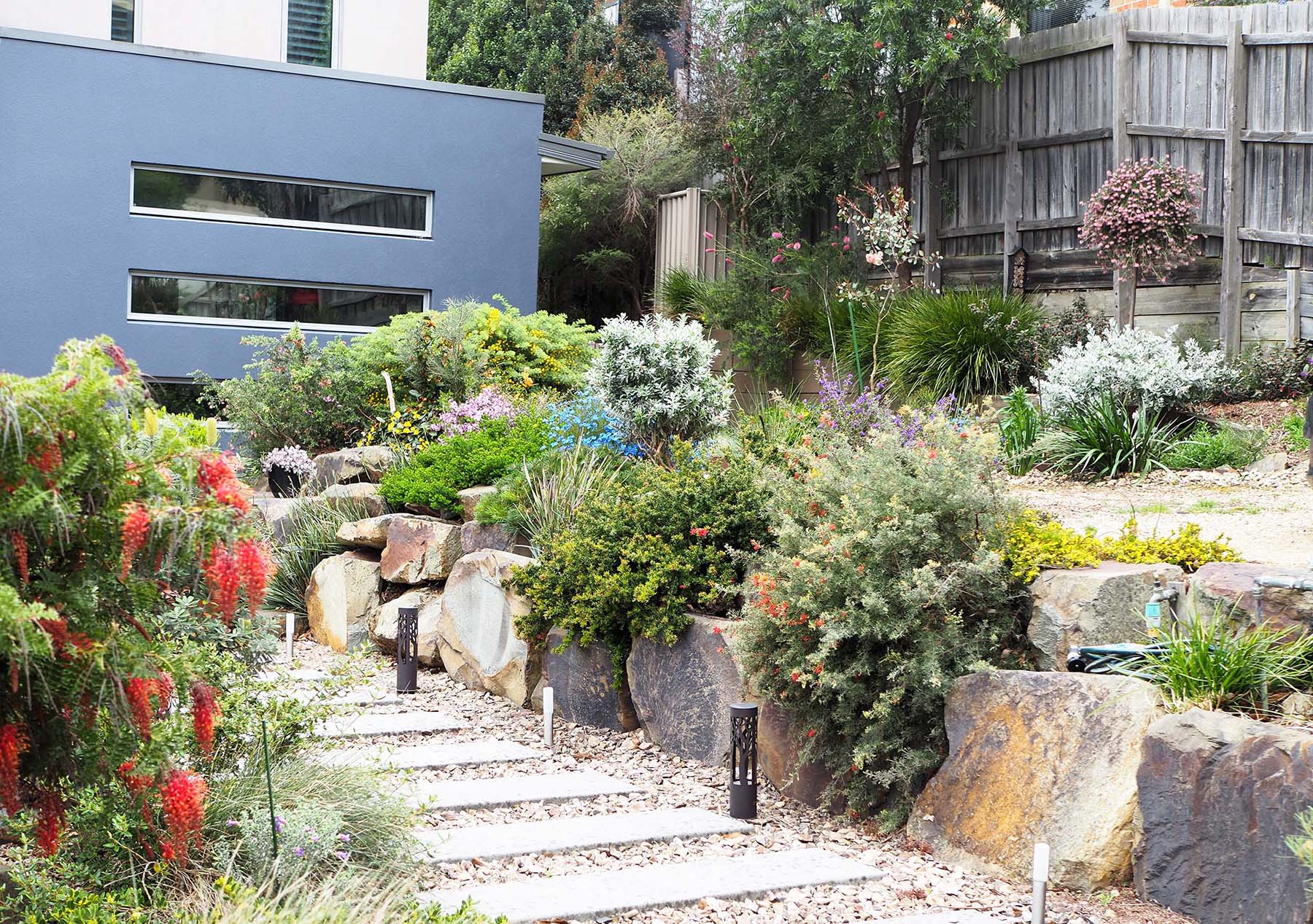
The front garden, before and after. Photos: Debbie McMillan.
“I moved in here in 2011 with my husband and children, and it was bare minimum. There were no garden beds out the back at all. It was just grass everywhere, with a few agapanthus and yuccas the builders had planted under the gum tree. They weren’t gardeners at all.
Because we’re on quite a steep block on the side of a hill with a west-facing aspect, we get the brunt of the westerlies coming through. So I had to physically rip up the grass to create garden beds, and source local rocks to help retain water when we get those downpours. I knew from the beginning that whatever I planted would have to cope with that.
Before this, I lived on a quarter-acre block about a kilometre or two away. That was more mixed gardening, and that’s when I got my love for Australian plants. I used to have a Grevillea outside the window and could sit and see all the native birds, the New Holland honeyeaters, the wattlebirds, the eastern spinebills, coming into the garden. That’s where it started for me.
 Alexandra De Vylder
I didn’t plan it out on paper at all. I had ideas in my head about where I wanted things to fit, but I pretty much just went by gut feeling with plants. It was really trial and error, and most of it happened bit by bit.
The retaining walls were already here when we moved in – they’re made of really heavy landscaping rock – but all the garden beds were mine to create. We still had some indigenous trees on the block, and one out the front was dropping limbs. Instead of chopping it all up, I decided to use some of that timber through the garden beds. I’ve got rocks, timber from fallen trees, gravel and all sorts of things in the back now, and I’ve done it all myself, lifted just about every rock.
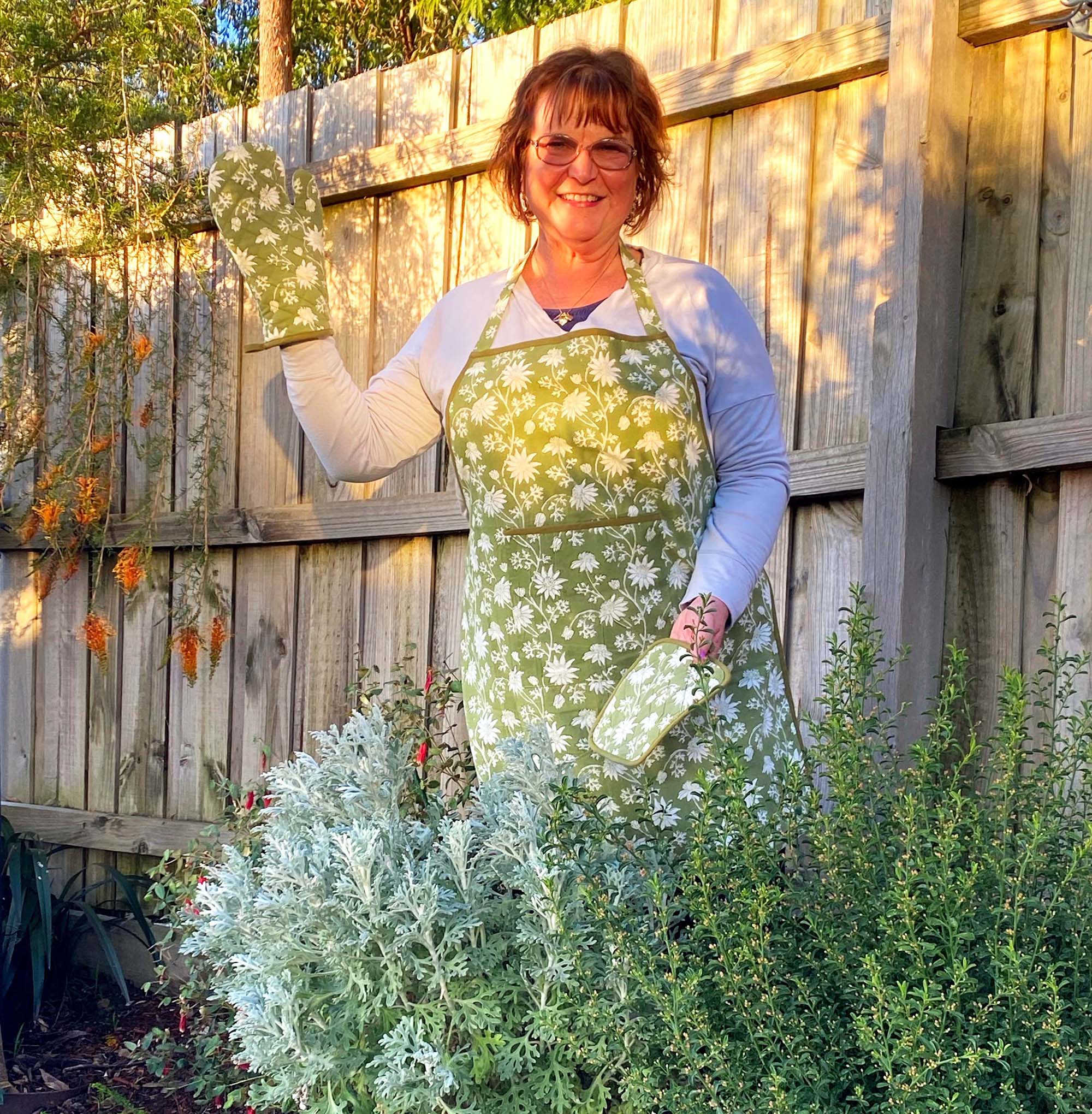
My kids were little at the start, so I’d fit it in when I could, an hour here, an afternoon there. When they got older, I tried to rope them in, but it didn’t really work. Olive [the labradoodle] will come up with me when I’m gardening and just sit with me and watch me. One day, I decided to take some cuttings, and I pulled out a couple of branches to propagate as backups. The next thing I saw, Olive has picked up a little branch, and she’s dragging it away. So, someone in the family does try to help.
A lot of the time I’d sit on the back decking with a cup of tea, look out over the garden and suddenly get an idea: this is what I can put here, this will look great there. It was a very slow process, and I lost plants along the way, but that just gave me an opportunity to put new plants in.
 Lorraine Johnson
I’ve lost a lot of plants over the years. Some things just don’t cope with the cold or the wet. The grey-leaf mulla mullas don’t like the wet and cold at all, so they’ll often turn up their toes here. I’ve had kangaroo paws that have done the same. You put something in, it gets to a certain size, and then a cold front comes through and knocks it flat. That’s happened a few times over the years.
We had psyllids really badly on the lilly pillies. They looked terrible, and I ended up taking a lot of them out because they were just so affected. I’ve had to replace things after storms, and every now and again, I’ve had to rethink whole sections when something just wouldn’t settle.
But I don’t think I’ve ever been upset about losing a plant – it’s just part of it. Each time something dies, it gives me the chance to put something else in its place. And the garden I planted back in 2011 or 2012 is not the garden I have now. It’s always changing, and you just adapt with it.
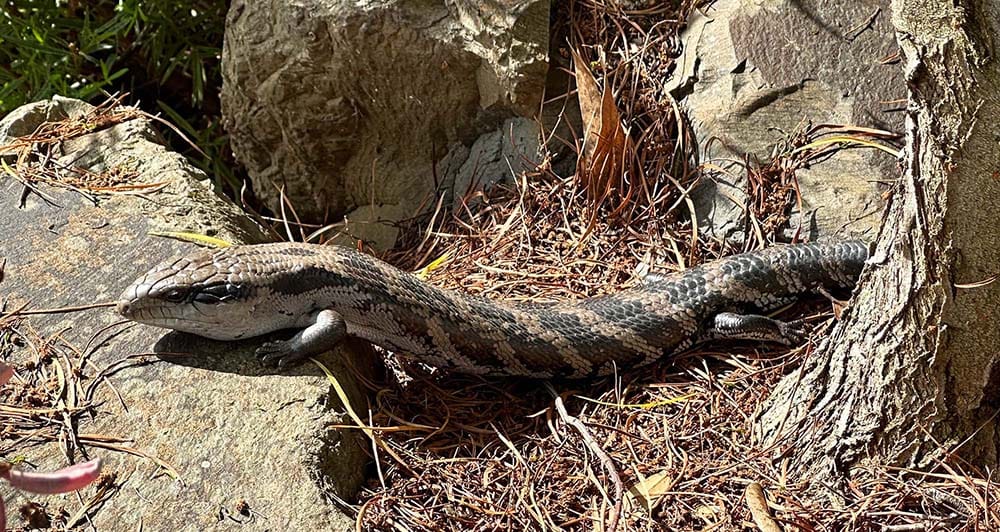
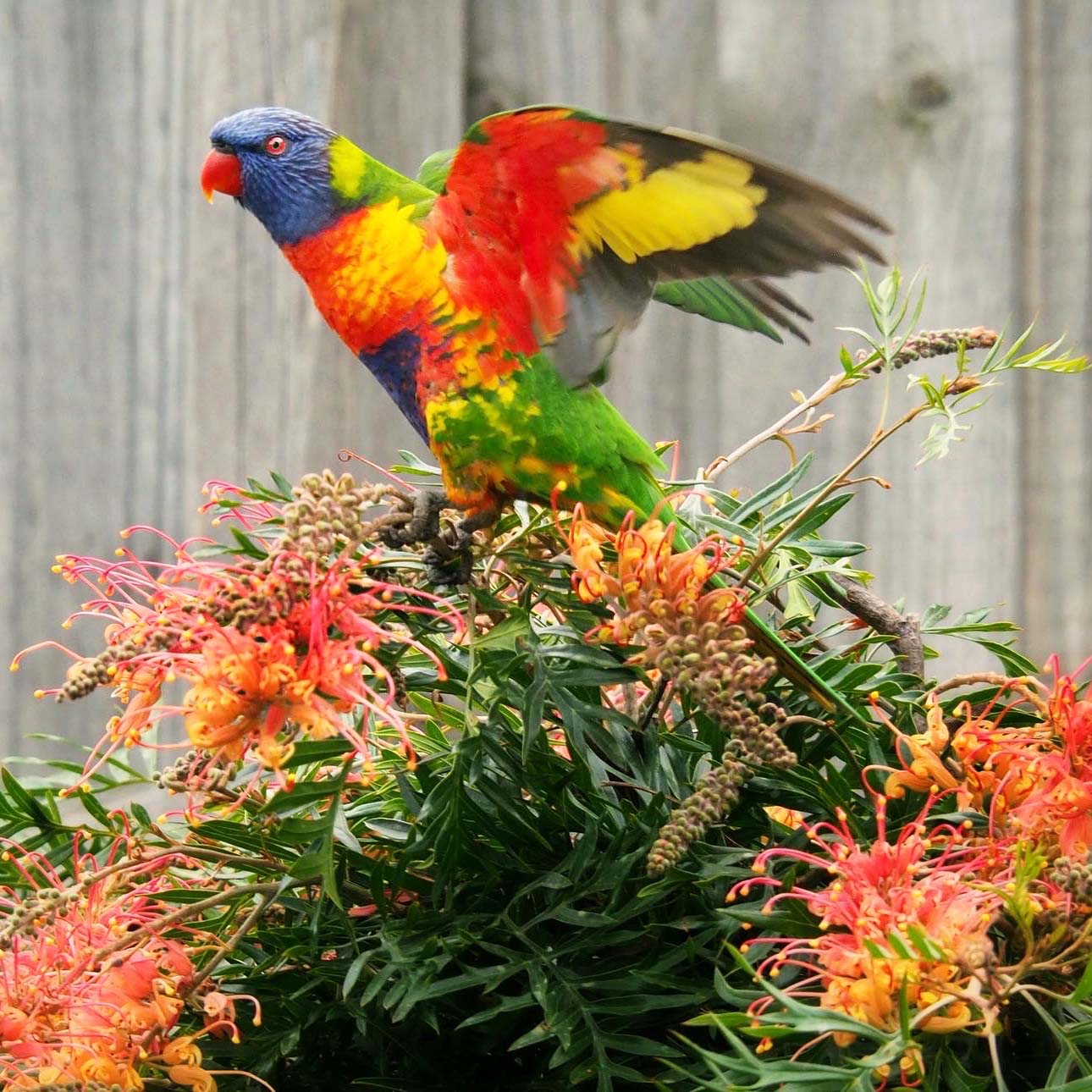
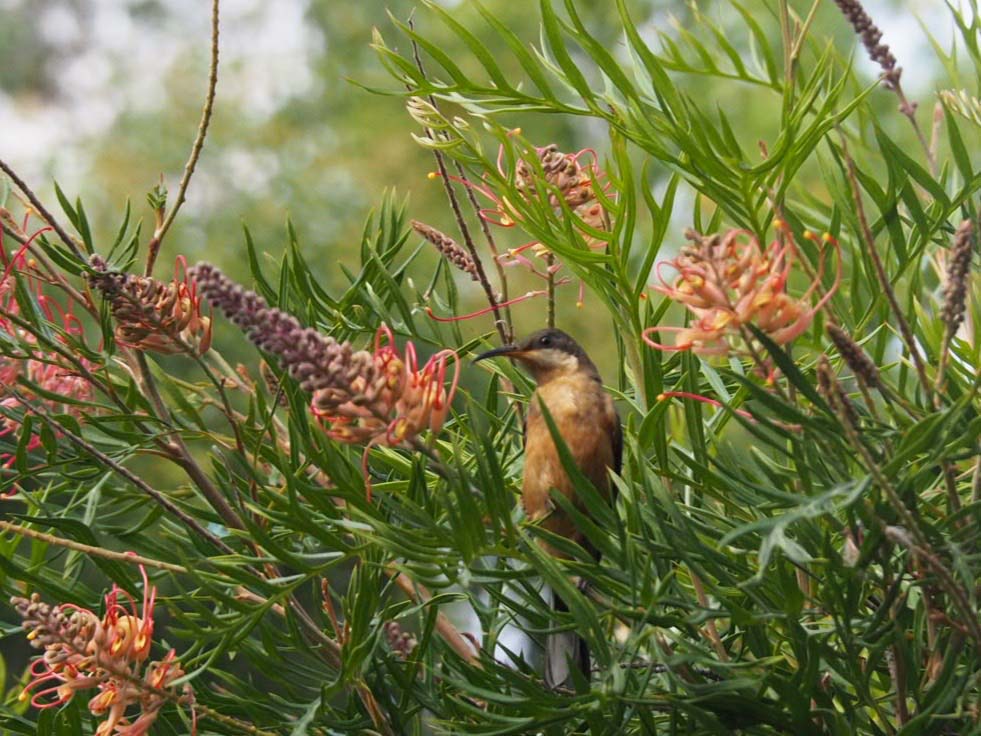
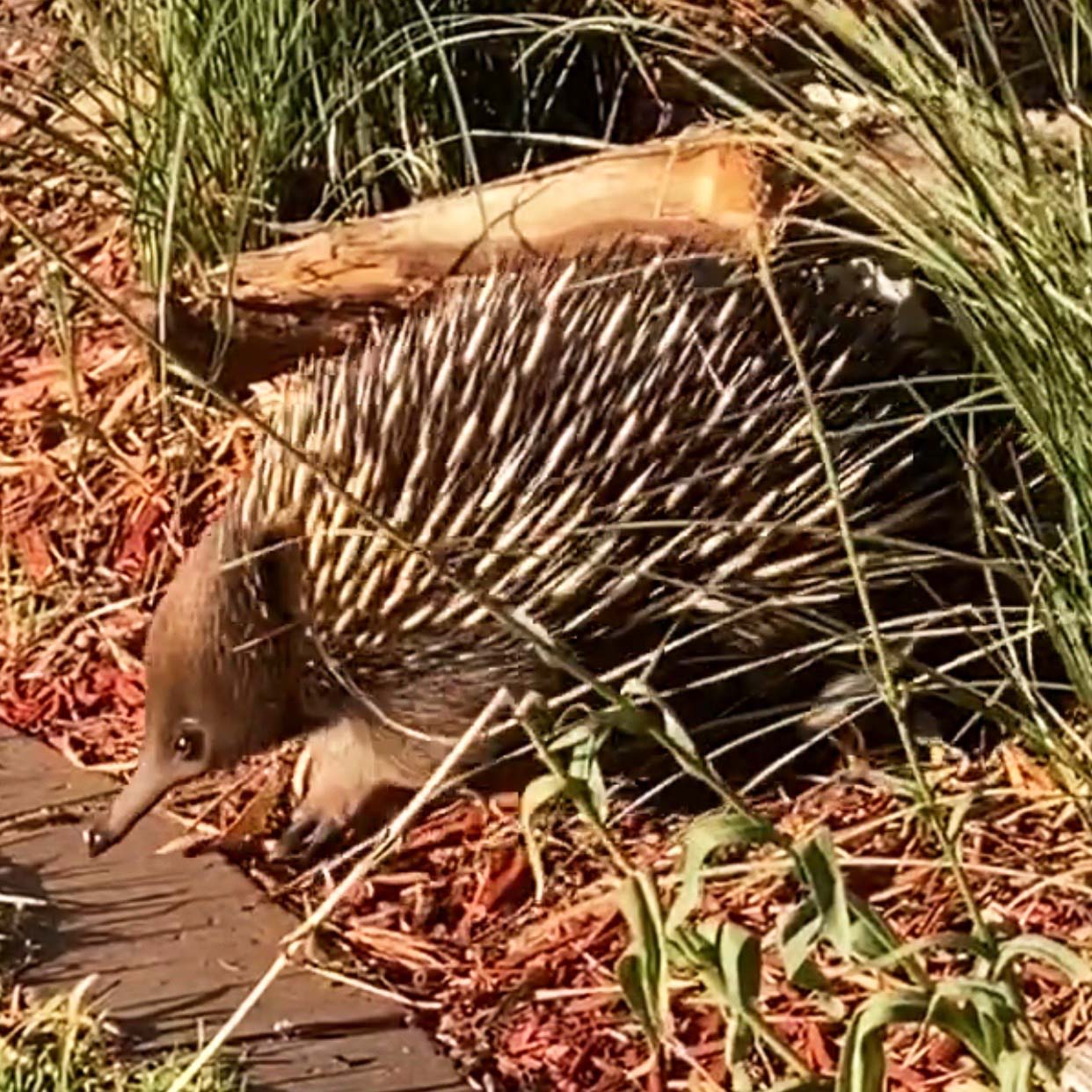
Some garden wildlife. Clockwise from top left: a blue-tongue lizard, a rainbow lorikeet, an echidna and an eastern spinebill. Photos: Debbie McMillan.
One of the things I loved about my old garden was the birds, and that’s something I wanted here too. When I started planting here, I was hoping I’d see some of those birds again.
It took a while, but they did start coming in. First the rosellas, then the honeyeaters, magpies and noisy miners. Most of my plants flowers at different times of the year and feed all the insects right through the year. We’ve had some beautiful butterflies, and we get nice dragonflies and damselflies. I love seeing those flying around the garden.
Then the blue-tongue lizards started turning up. The kids loved that. They’d rustle through the leaf litter and under the rocks. One afternoon, an echidna pushed in under the fence and wandered into the garden. I couldn’t believe it. I felt so privileged to see it – I felt so special that it was coming into my garden. I didn’t expect that at all in a suburban backyard with fences on every side.
 Kira Simpson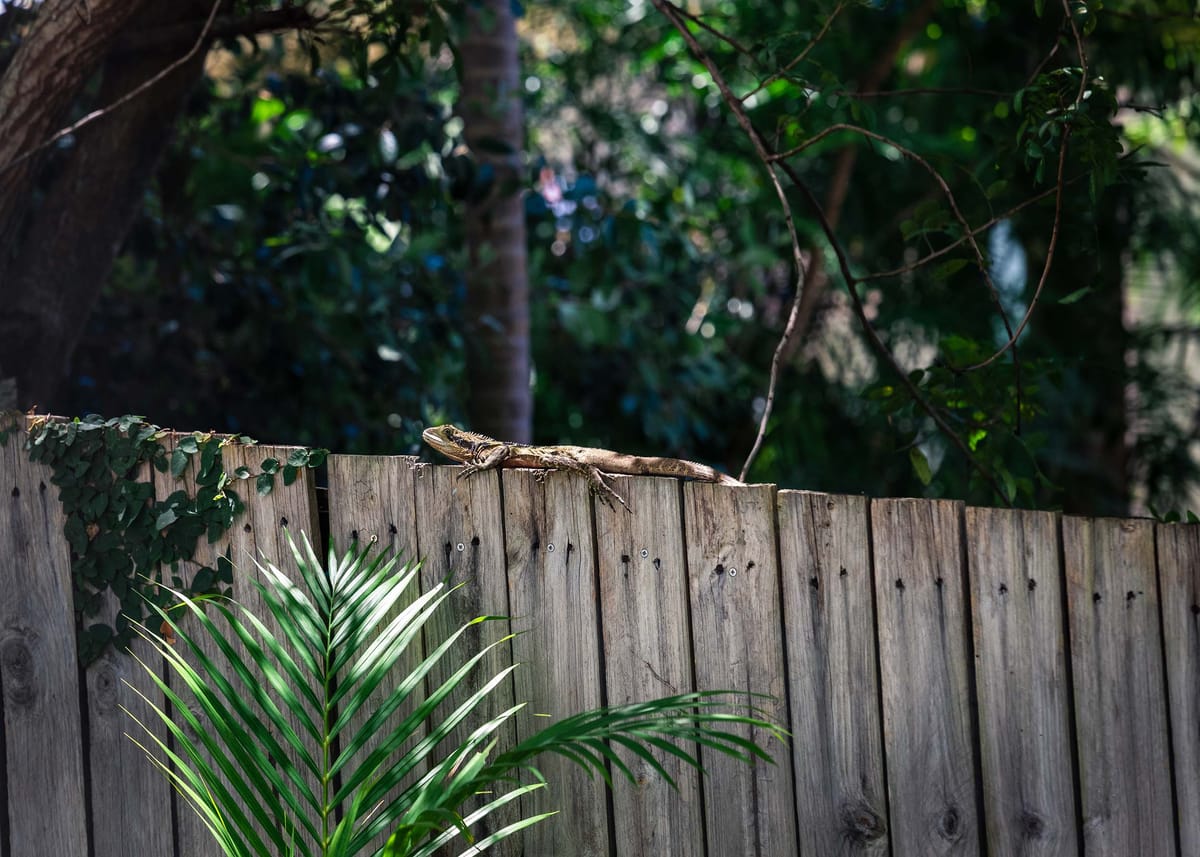
It’s really a bit eclectic. I’ve got a bit of everything in the garden, and it’s just what pleases me. I get most of my ideas from places and people around me.
Often, it’s [a species] I’ve seen in the native plant group I help run. Someone will post a photo, and I’ll think, I really want to try that. I’m an admin of [Facebook group] Australian Native Plant Enthusiasts, and it’s been an inspiration for me. We’ve got over 130,000 members, and that’s just growing. You can learn what grows in your area, get inspiration, connect with people and swap cuttings. It really is a community; we’re all loving the same thing.
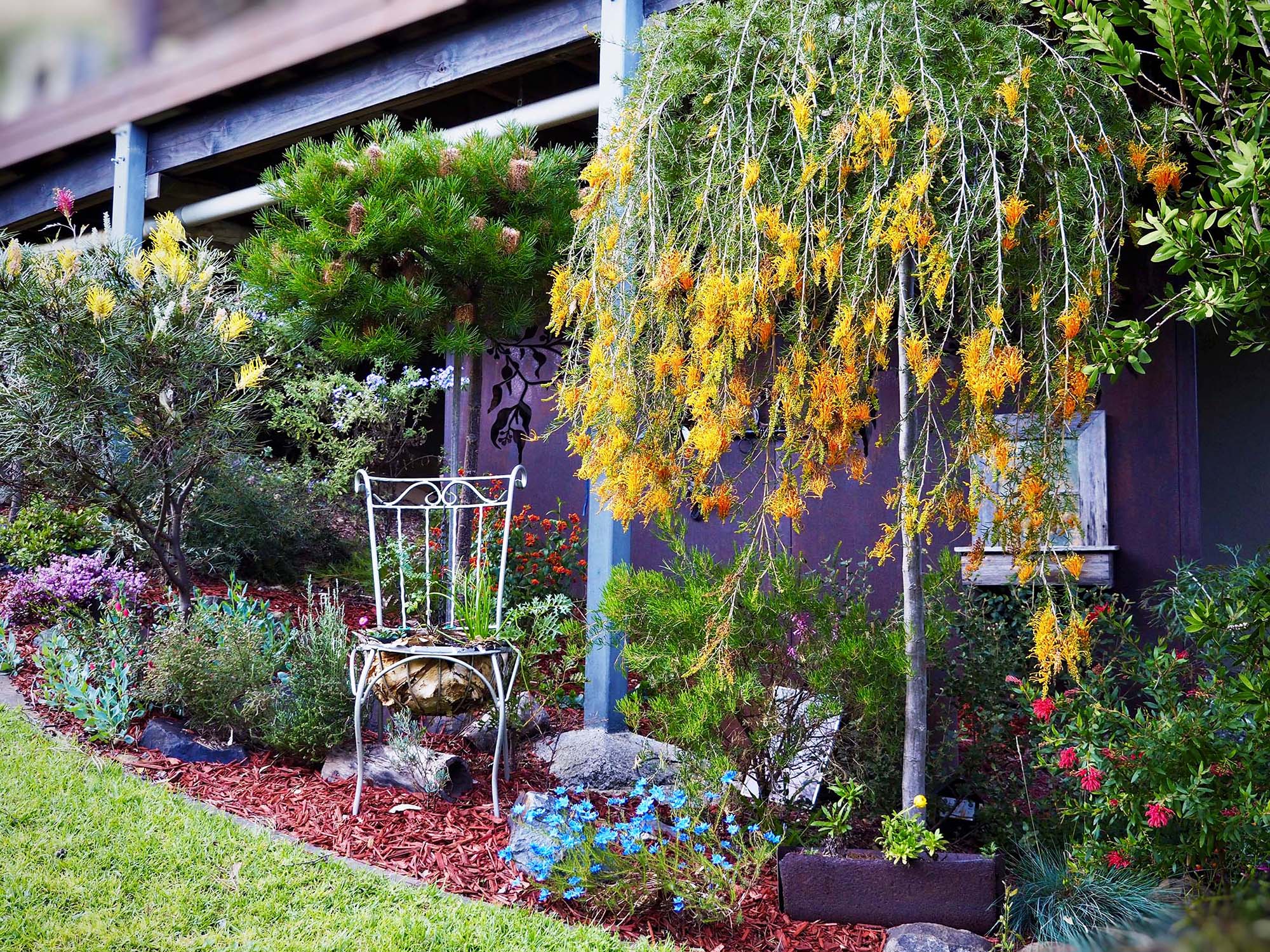
I wanted to make sure I had indigenous plants here, as well as the general natives. I also think about flowers through the seasons. I like having things happening across the year, so the birds and insects always have something to come to. And I love the colours, the greys, the greens, the pinks, and how they all work together when you look out from the house.
I make a little list in my head of special things I see that I want to put in the garden. Or I see something in a nursery and think, yes, that’s going in. Other times, I look out over the garden and think, okay, a nice little mulla mulla would go nicely there, a lovely Grevillea would go well over there. I like working it out as I go.
I’ve always loved Grevilleas. They were what brought the birds into my old place, so I planted a lot of them here too. I love the Eremophilas as well, and the correas. Some of the ones from WA [Western Australia] don’t like the wet and the cold here, but others do really well. I love the blue Lechenaultia, too, from the south of Western Australia. People told me you can’t grow them in the ground here; well, I thought, I’m going to try. I have beautiful soil here, and they do seem to love it. And they’re so easy to propagate.
 Elizabeth Nicholls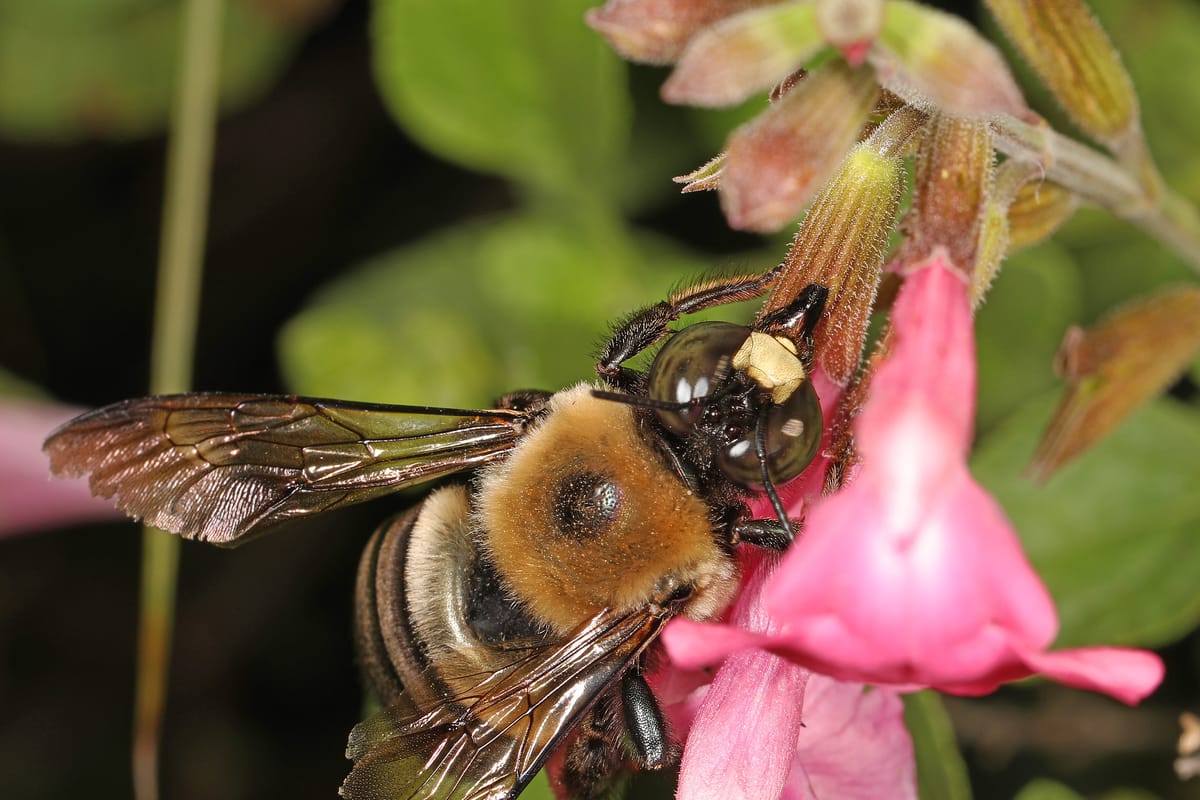
I think the best thing is not to rush. A lot of people get overwhelmed when they try to do too much at once.
Start small. Do a little garden bed here or there, and then expand it as you go. You don’t have to do the whole garden all at once. And you learn from it. When something doesn’t work, it gives you the opportunity to put something else in its place.
Look at where the sun goes – the morning sun, the afternoon sun – because that will tell you where to put things. And start with your soil, because that’s really important.
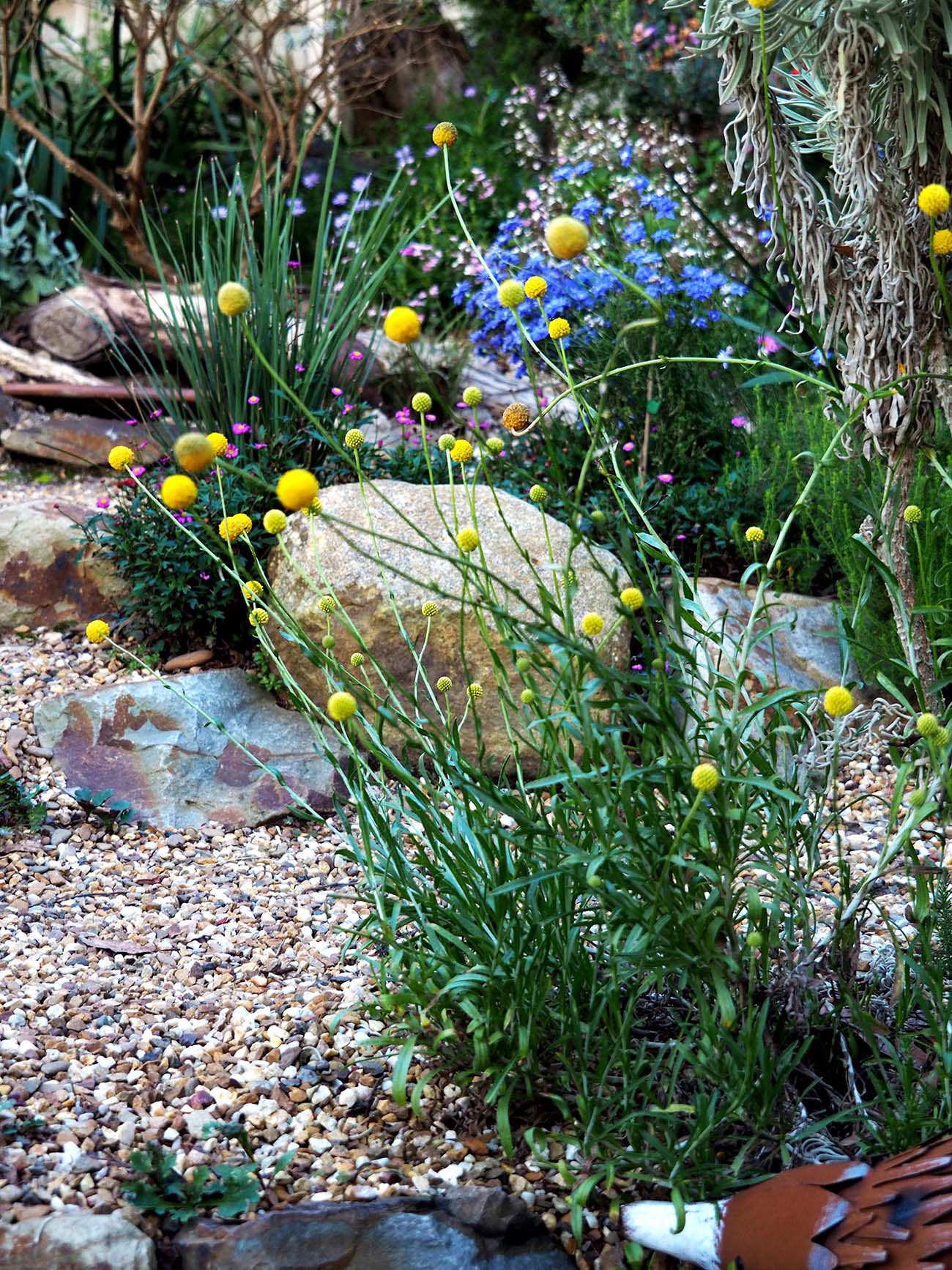
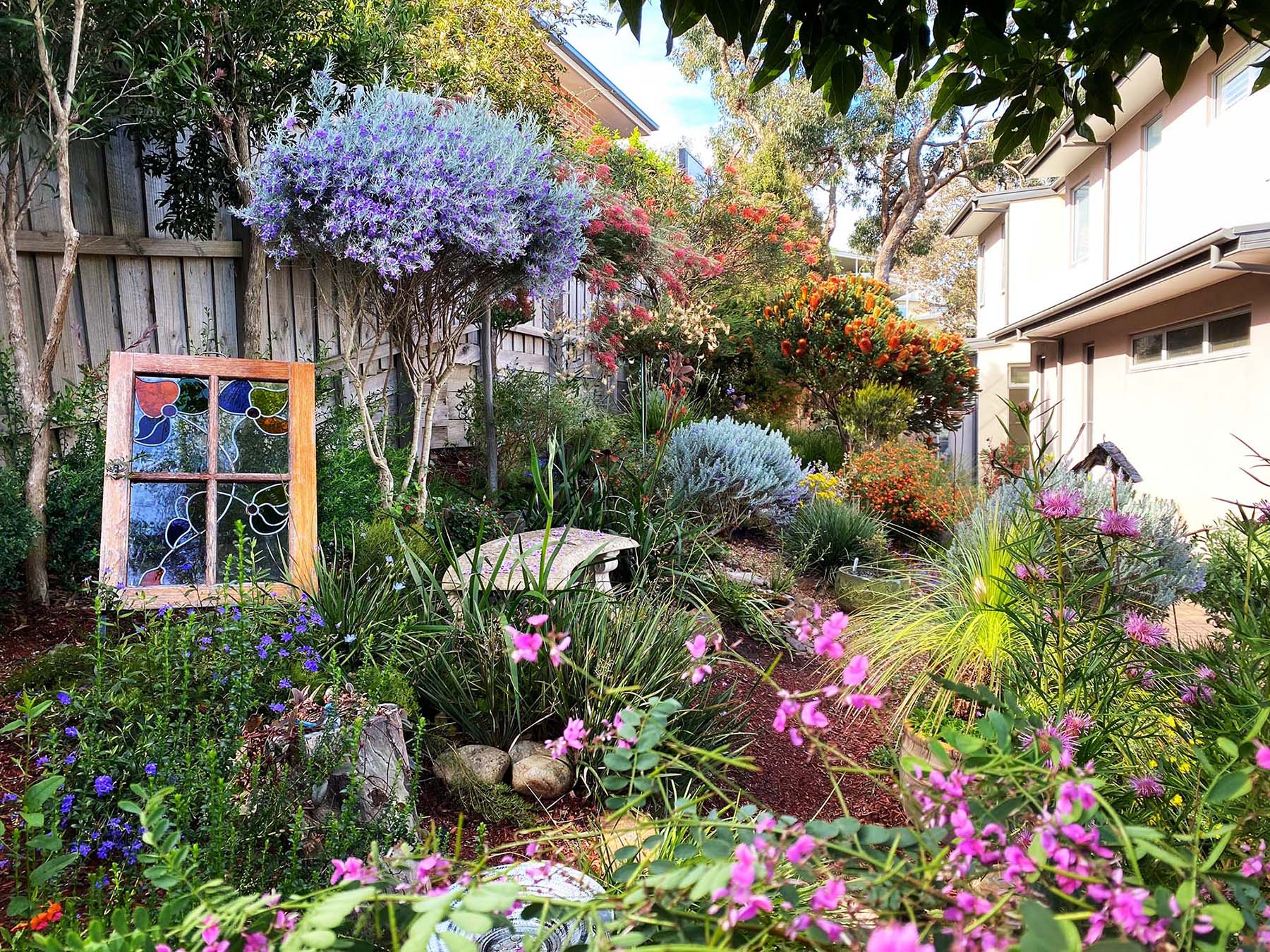
The upper back garden. Photos: Debbie McMillan.
I really think it helps to grow what you like. If you love the birds, plant for the birds. If you love seeing colour, go for that. And you’ve got to enjoy your garden – that’s what keeps you going with it.
I feel really privileged to have the garden I’ve created. Sometimes I look at it and think, I can’t believe I’ve achieved what I have. When I walk out there, I just love the colours and the life in it. It makes me feel good just looking at it.
That’s why I keep going with it. The garden is never finished. The garden I planted back then isn’t the garden I have now, and I like that. You put something in, it gets to a certain height, then the seasons change, or a cold front comes through, and you have to rethink it. But that’s part of it for me, just seeing what survives and what the space wants to do.
And when you start seeing the wildlife turn up. The birds, the insects, the blue-tongues, and then an echidna. That’s what makes it all worth it. I didn’t expect that at all. It gives back so much.”
This interview has been edited for length and clarity.
Comments ()