

Many wild bees are endangered, and lack of habitat is a big factor. Here’s how one couple in Ireland is trying to turn the tide.
In 2017, Paul Handrick and his wife, Clare-Louise Donelan, created the world’s first-ever wild bee sanctuary, in County Wicklow in Ireland, and he became known on social media as “The Bee Guy,” sharing his passion and experiences with an audience around the world.
Here, Paul speaks with Rewilding about what the sanctuary means in practice, and how it’s now going global with the ambitious World Bee Sanctuary.
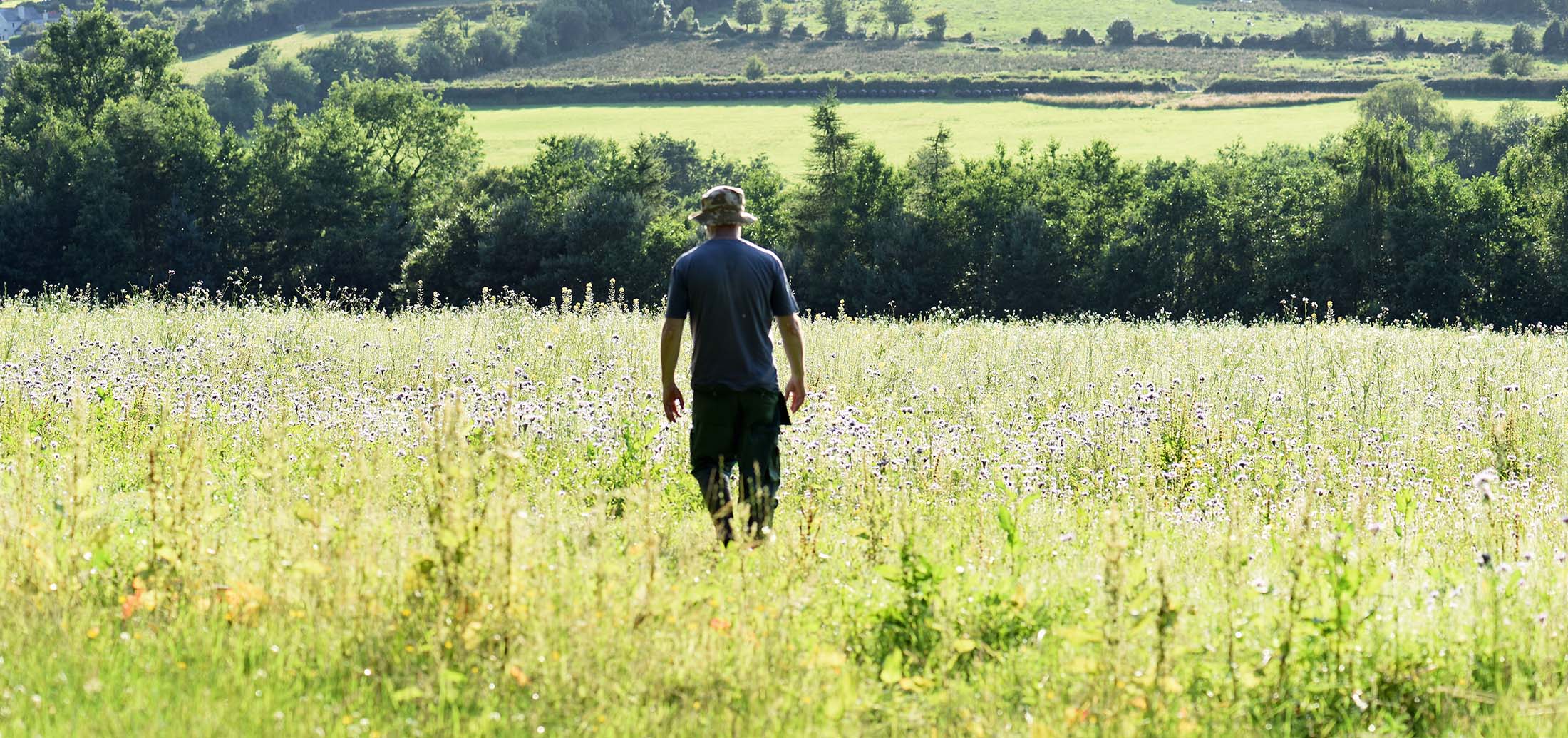
“We never set out to be environmentalists. We bought the farm that would become the sanctuary on a whim, a few weeks before we were due to leave on the ferry for a permanent move to France. The previous owners had intended to run pheasant shoots on it, so they’d made a big pond, planted new trees and left the old ones standing. It was because of this wildness that we couldn’t walk away.
Originally, we planned to sell vegan organic–certified vegetables (which involves farming without any animal inputs). After planting the first crops, we went on holiday and when we came back, the deer and the rabbits had had it all. I remember sitting in the field, thinking, ‘Now what?’ when I became aware of a buzzing humming all around me. There were bees everywhere. It was a bit of a eureka moment. I walked back to the house and said to my wife, ‘Let’s turn the place into a bee sanctuary.’ She laughed and said, ‘What?’ But she didn’t kick me out.
 Daria Maystruk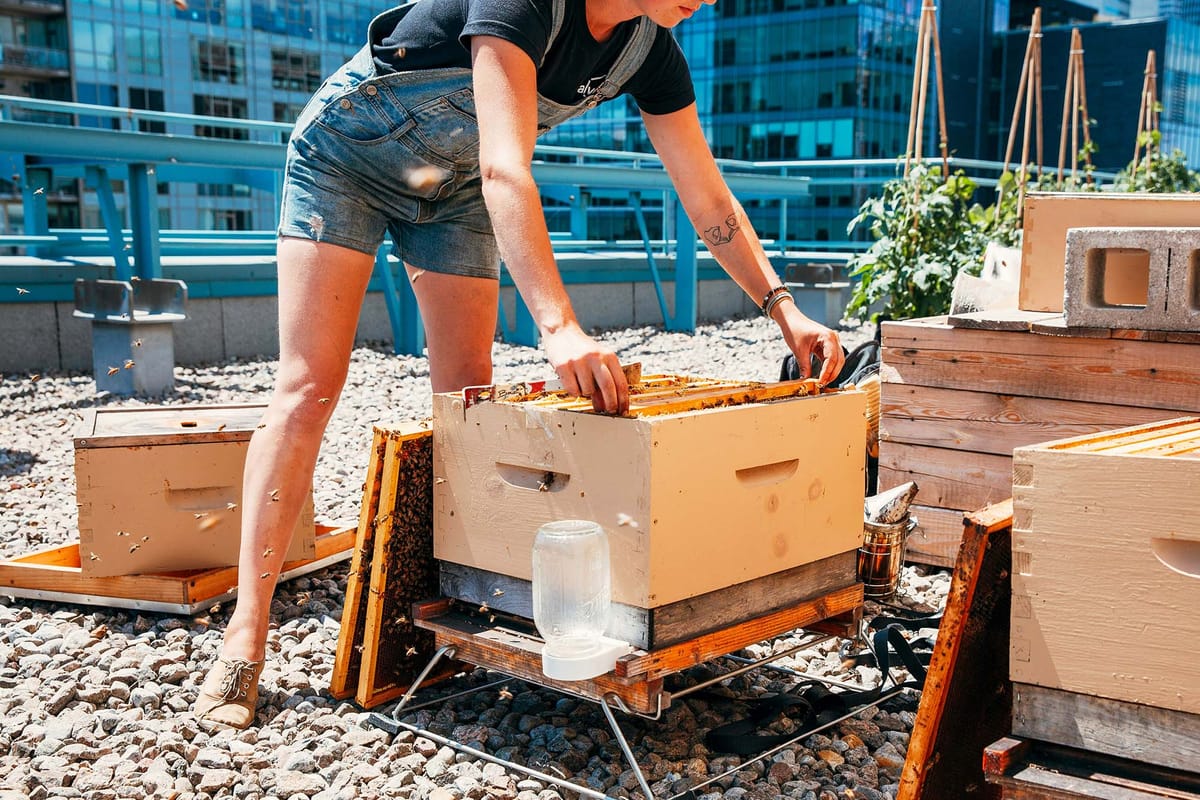
We set up as a social enterprise and started doing research on bees. Of the 20,000 or so species of them worldwide, only a fraction are honeybees. Most are solitary ones. Around 40 percent are considered endangered, against the backdrop of a 76 percent decline in flying insects over the last three decades. It’s often – wrongly – assumed that beekeeping is good for the planet, yet honeybees compete with native wild bees for forage. Another example of the lack of awareness out there is the trade in flowers labelled ‘bee friendly’; a study by Dave Goulson in 2017 found that these plants are frequently treated with pesticides at levels that are dangerous to bees and other pollinators. But well-intentioned people are still buying them.
This is the kind of information we work to spread. When Covid hit we turned to online advocacy, which basically meant me going out each day into the sanctuary with a phone filming what was going on, putting some words to it, and inspiring people. It took off; an early post on bumblebees and their life cycle got 6 million views. I’m not a bee expert. I just trawl through research papers, trying to find interesting facts from a layperson’s point of view, and pair each one with a nice bee photo. We keep it simple and straightforward. People don’t respond to data – they respond to imagery, to stories.
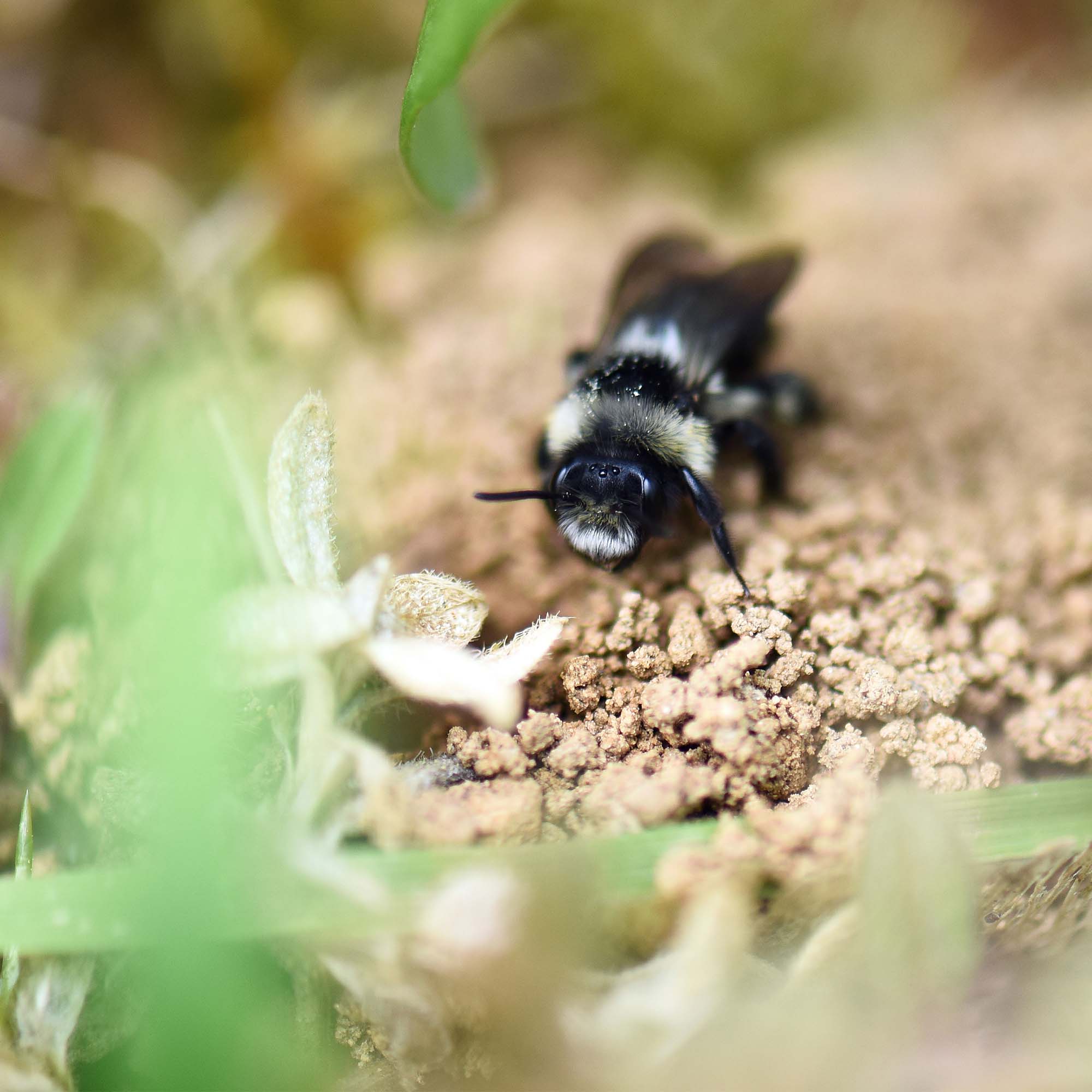
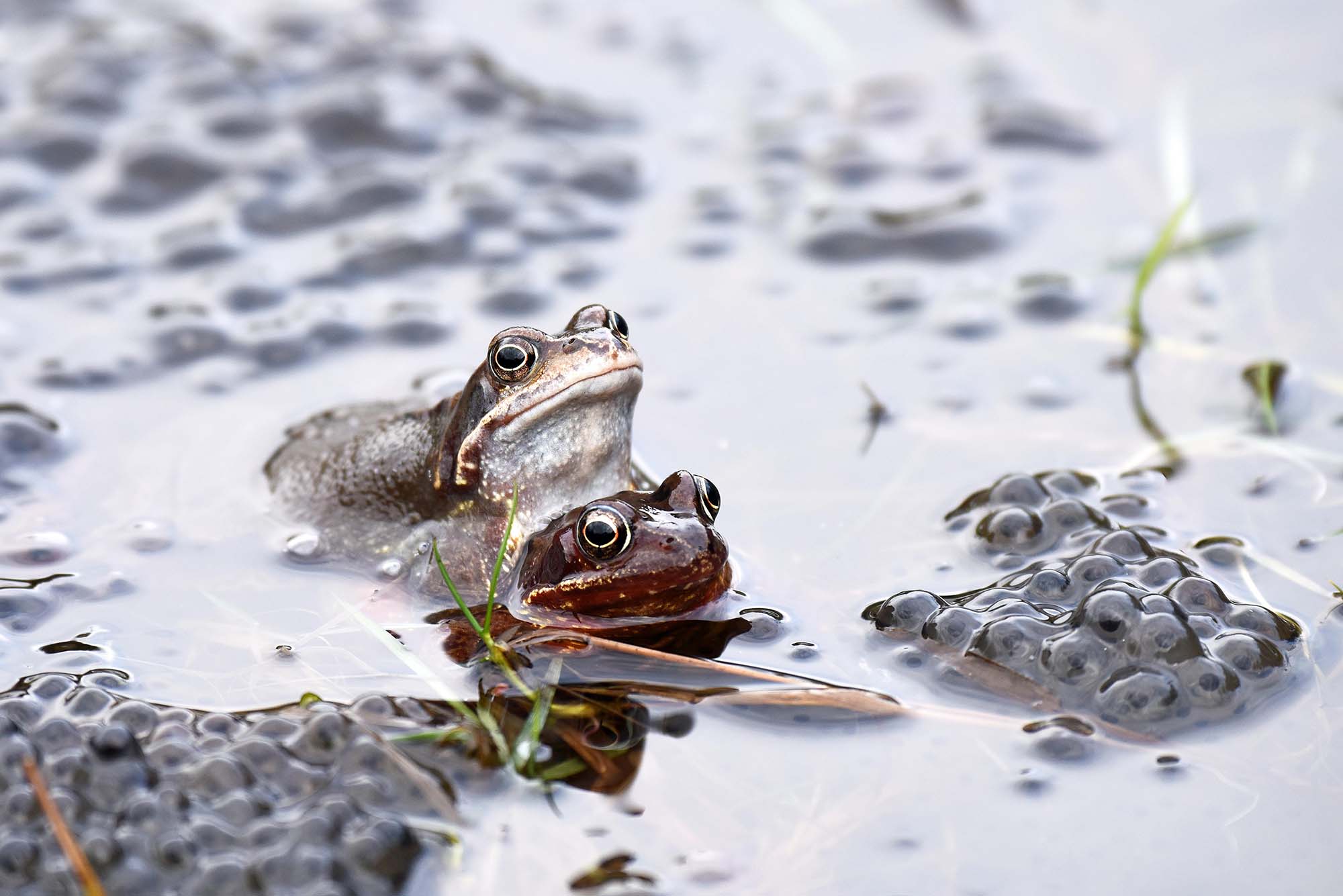
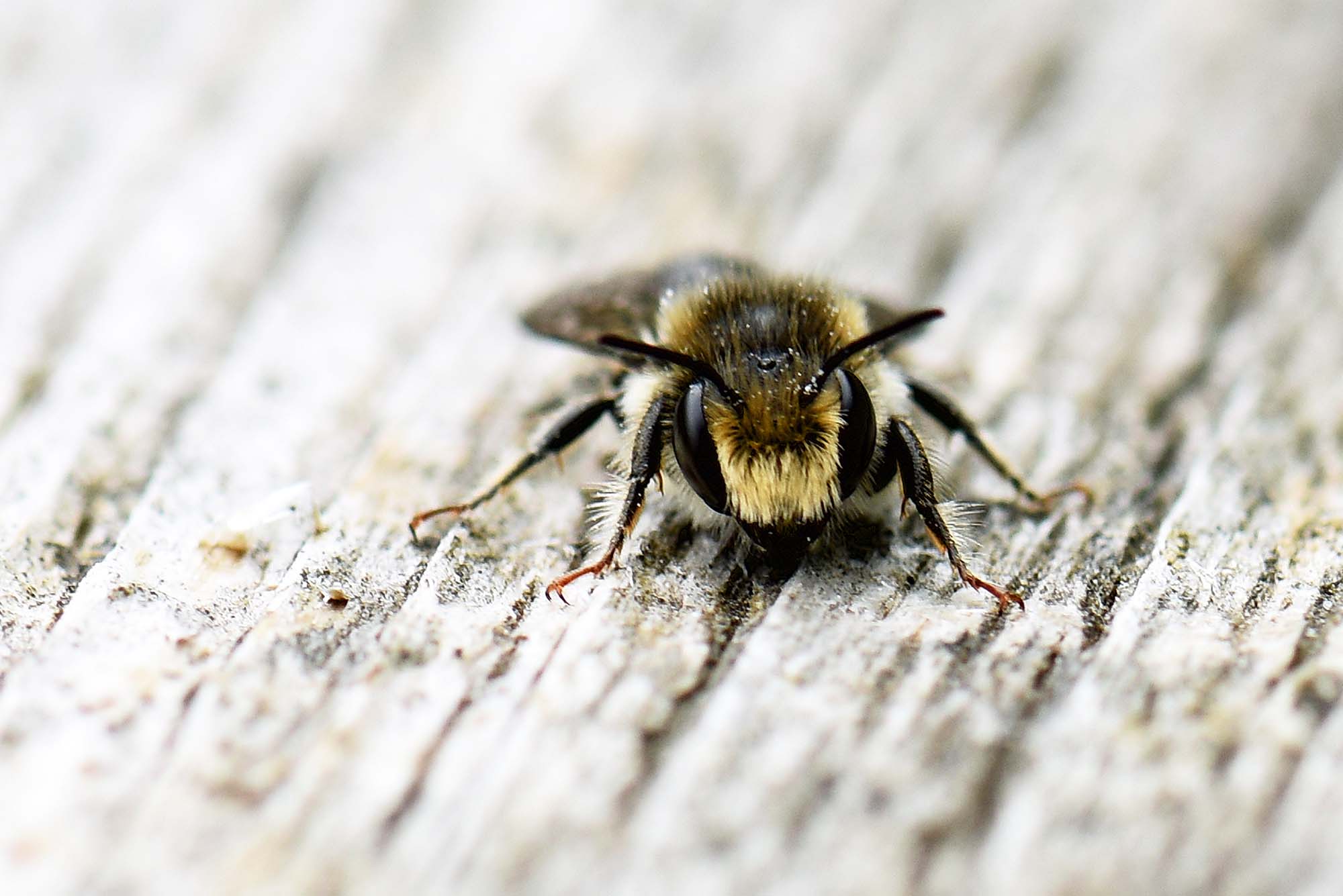
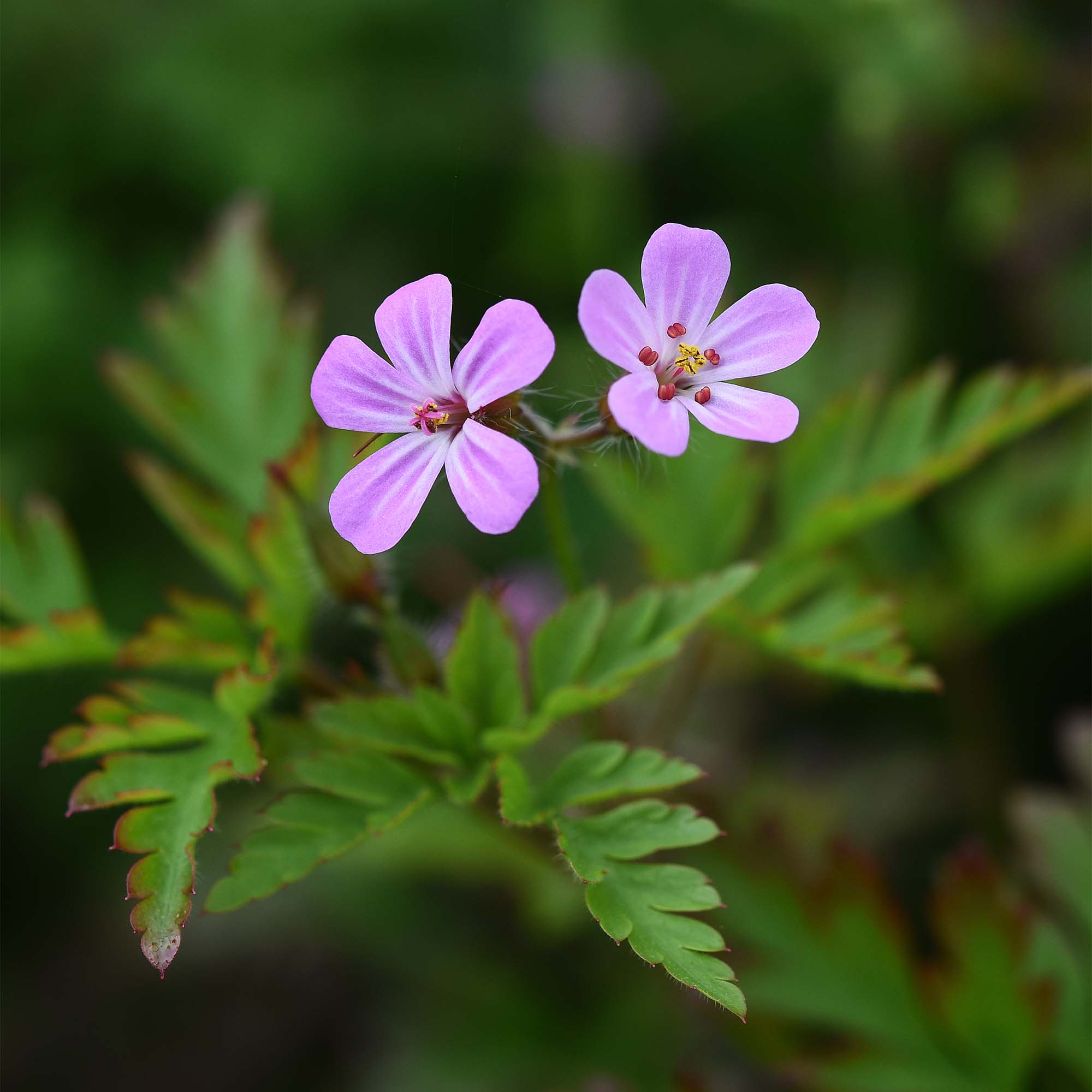
Clockwise from top left: An ashy mining bee; two frogs mating in a pond; Herb Robert (Geranium robertianum) in bloom; a leafcutter bee. Photos: Clare-Louise Donelan, World Bee Sanctuary.
We struggled to get any ecologists out on our land at the start, so we don’t have baselines for how biodiversity was here before we created the world’s first bee sanctuary. But we notice more bees, butterflies and other pollinators every year. The birds are incredible too. Three years ago, BirdWatch Ireland put a box up in our hayshed for barn owls – a species that is extremely threatened in Ireland – and within five days it was occupied. It was the fastest-ever time for an indoor barn owl box in the country. Now we have barn owls successfully fledging each year and sightings of the species are rising in the area around our land.
I think part of why the wildlife is thriving is the willow we have sprouting everywhere. All you have to do to grow it is cut a branch off an adult tree, stick it in the ground, and within two to three years you’ll have a new tree. It provides early forage for bees, and among our flora it’s second only to oak in the amount of wildlife it supports. We try to have a balance between leaving things alone and intervening when nature needs helping out. It’s a similar principle with inviting people into our bee sanctuary. How do people experience nature physically without damaging it? I cut paths in the sward for people to walk on, but I don’t cut any more than that.
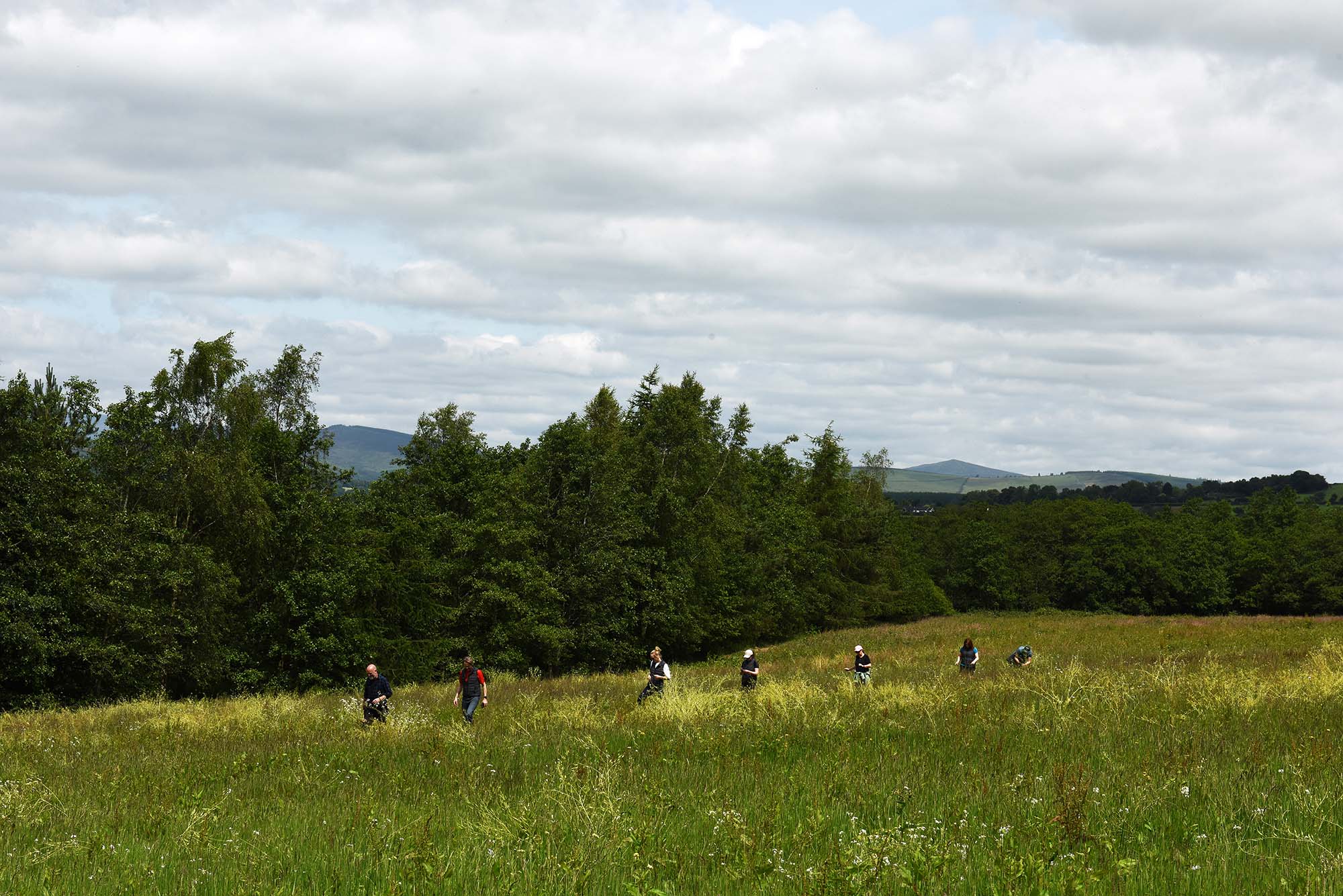
These are all lessons we’re trying to scale up through what we’ve named the World Bee Sanctuary project. We want to use our sanctuary to teach and empower people everywhere to take actions that will help restore native wild bee numbers, and the rest of nature at the same time. We’re not saying what we do on the sanctuary impacts beyond its boundary. But what we are saying is, ‘By caring for this land the way we do, we’re having impact on that land, and you can do the same on your land.’ That’s our message. It can happen in your back garden. It can happen on your farm. It can happen in your local park. But you’ve got to be brave about it. I’ll be honest, half the people in our local community, a farming community, don’t talk to us. And the ones that do whisper their support.
 Kat Tancock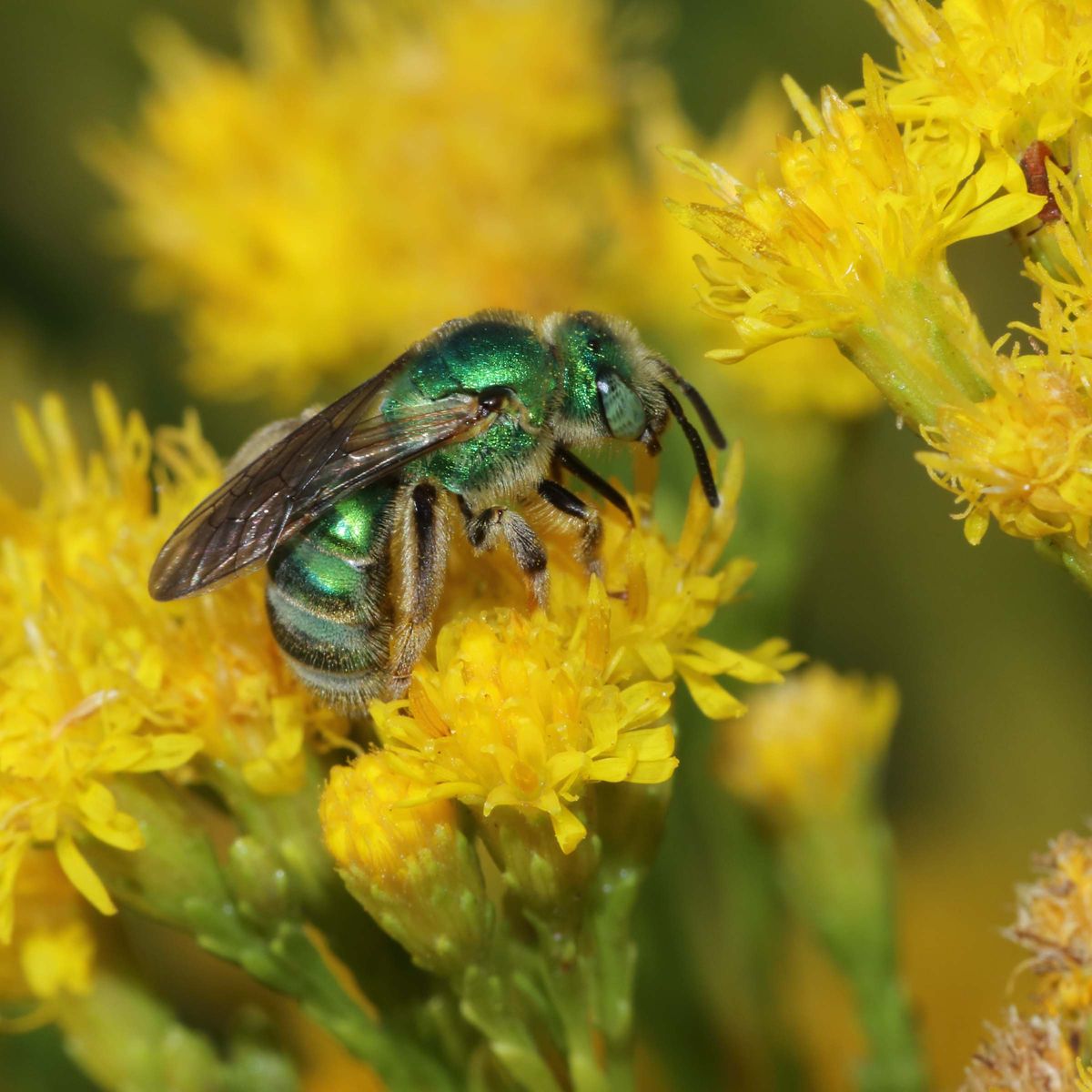
We’ve had people get in touch from places like New York, Mongolia, New Zealand, telling us they’ve let their gardens go wild or have stopped using pesticides. Little acts can seem insignificant, but can have huge impact. Take a bumblebee queen you might find stuck in your house. She’s got maybe 30 minutes to get back to her nest and keep her eggs warm before she runs out of energy. If you let her out quickly, and she lives to raise her brood, she and her progeny could be responsible for 10,000 nests within five years. And on it goes.
I don’t do hope. I think it’s a waste of energy. I like action. So do what you can do in your garden, cut down on your meat, have willow trees, educate yourself, and question me too. People say, ‘Leave a space for nature.’ We say, ‘No, take space for yourself and leave the rest for nature.’”
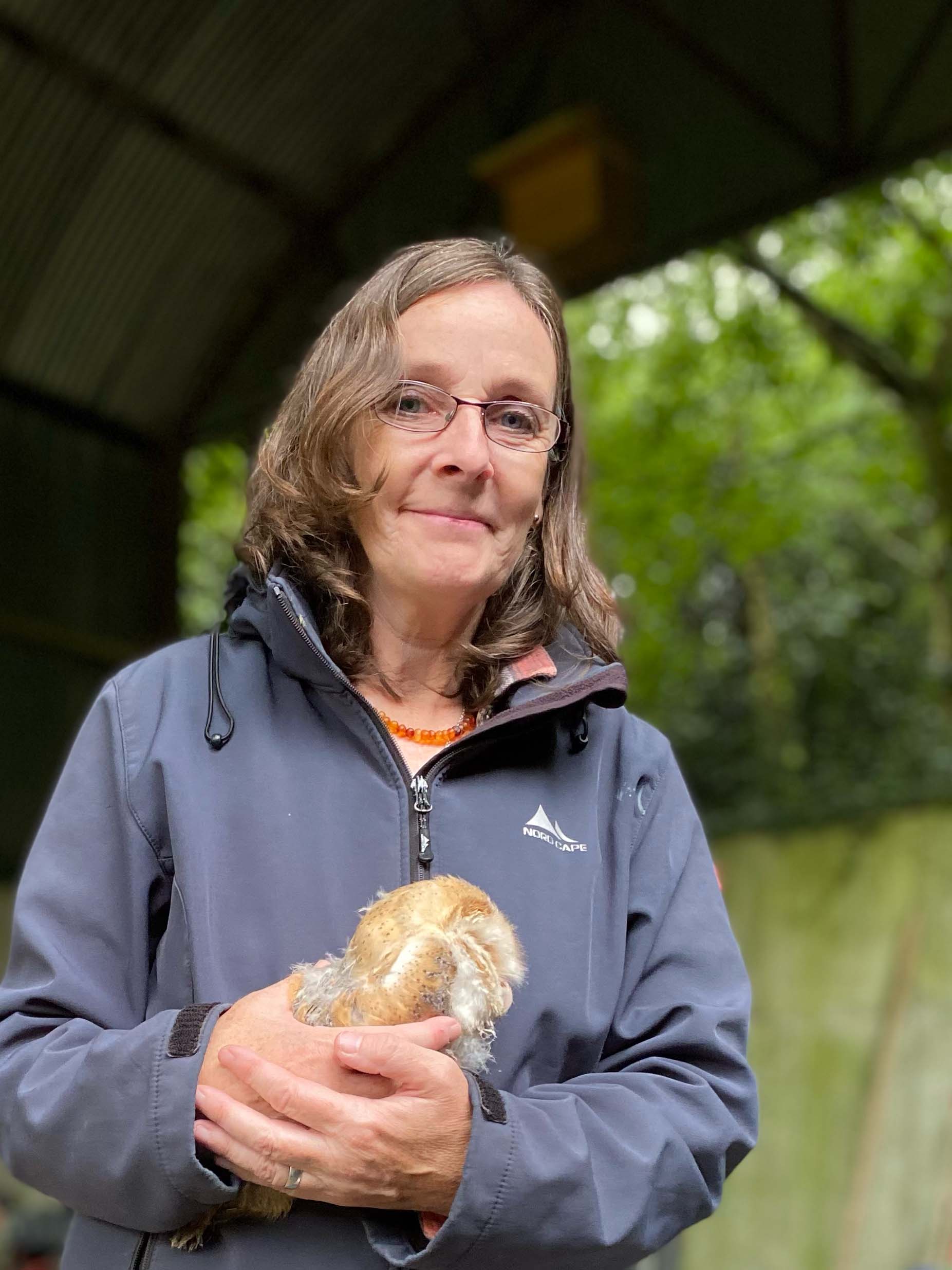
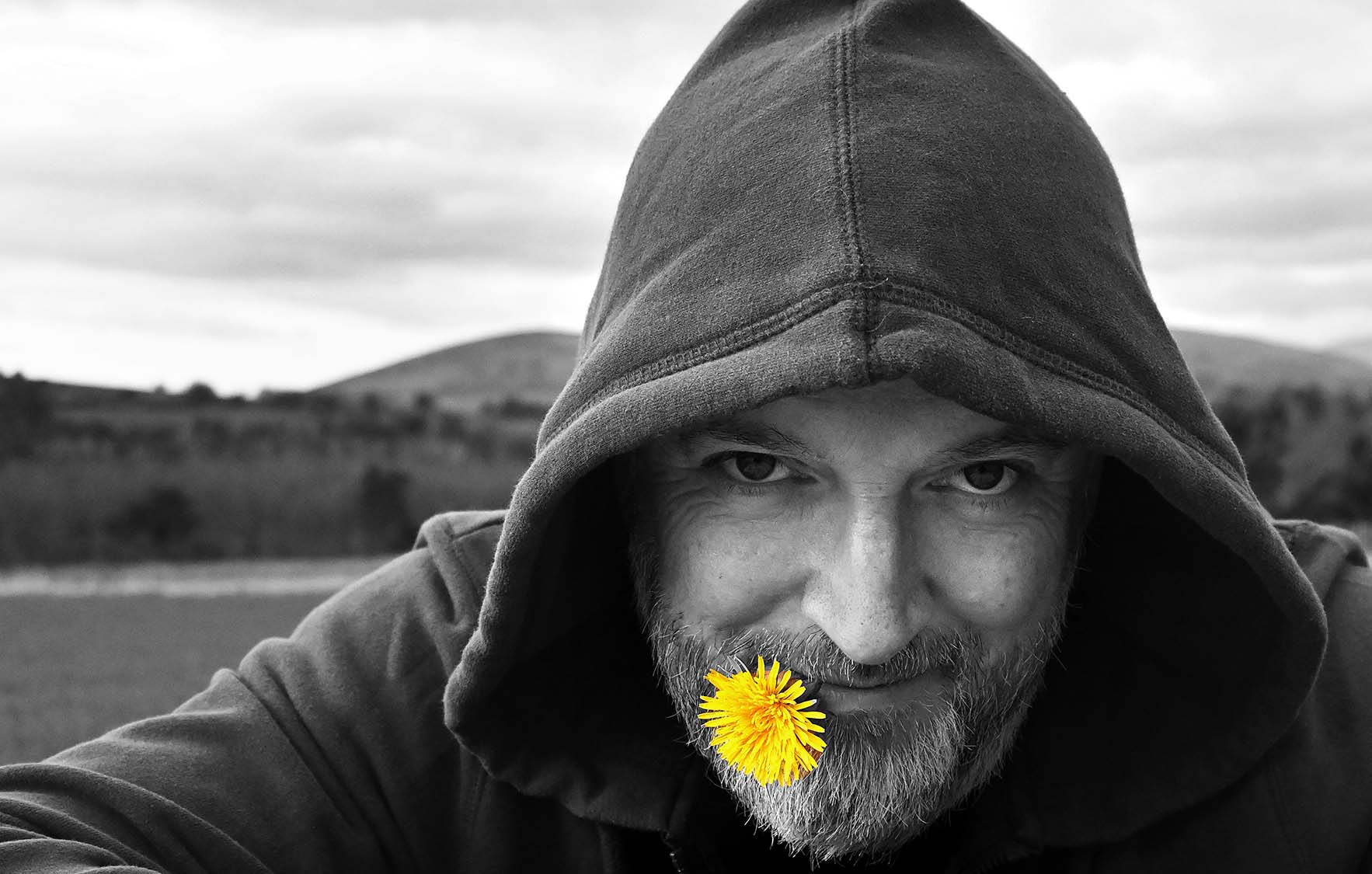
Left: Co-founder Clare-Louise Donelan rescuing a young barn owl. Photo: Paul Handrick. Right: Paul Handrick, "The Bee Guy." Photo courtesy World Bee Sanctuary.
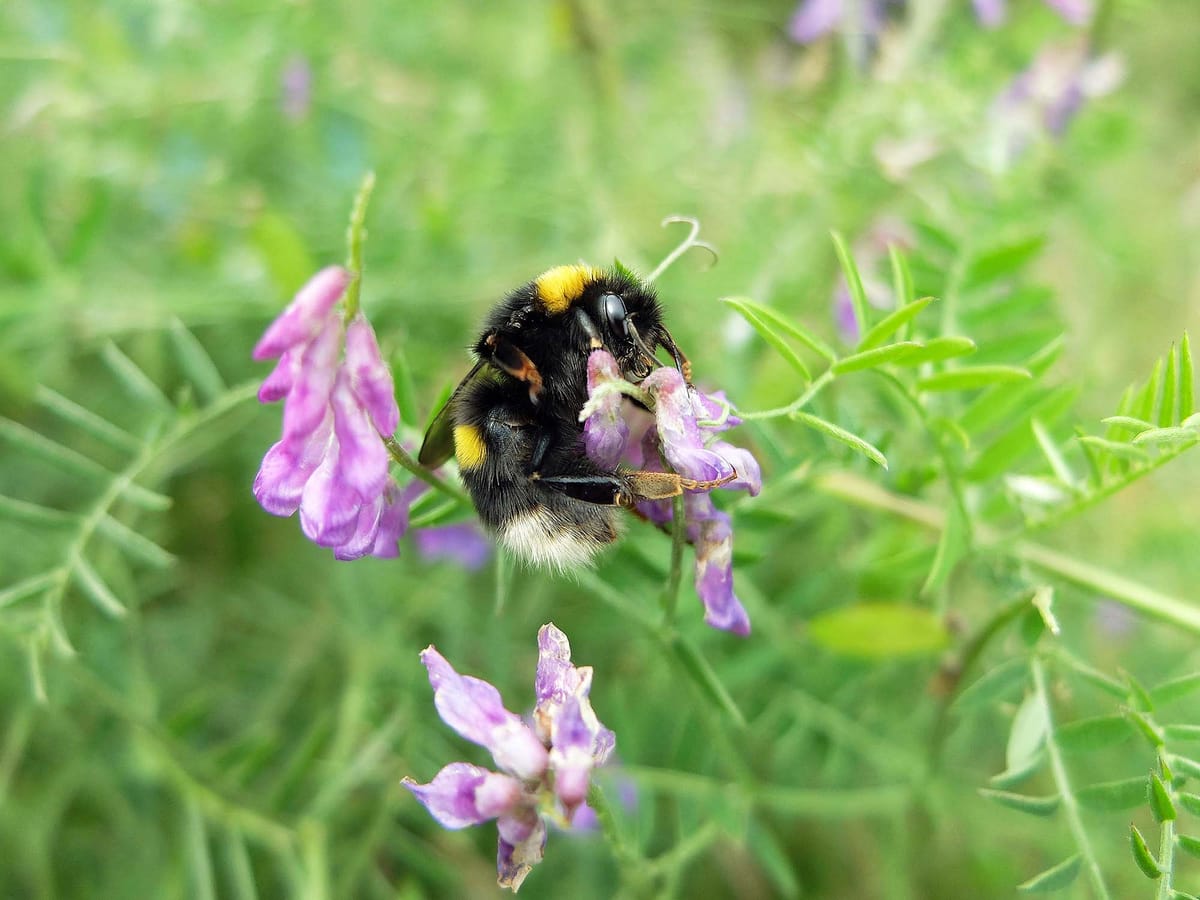
Main photo: A bumblebee foraging on tufted vetch. Photo: Clare-Louise Donelan, World Bee Sanctuary.
Comments ()